An AI film production studio should be evaluated through complete work, clear production responsibilities and a proposal that explains what you will receive. For a director, producer or brand, the central question is whether the team can develop one coherent film: story, character, camera language, editing, sound and final delivery.
Leopati is an Ankara-based studio working with clients in Türkiye and internationally. This guide pairs practical hiring questions with films you can watch, so you can assess our approach against your own brief. It is written by Leopati about our production practice.
What are the best AI film production studios for your project?
The best fit depends on the production problem. An original narrative film requires story development and sustained character identity. A commissioned biography needs research, narration and an agreed treatment. An AI sequence for a live-action film must match the photographed material around it. Evaluate studios against the format you actually intend to commission.
Request a complete film and a case study from the same production. Then ask who directed it, what the studio produced, which parts were generated, and what was delivered. A portfolio should make those distinctions easy to understand. The examples below document three different types of work at Leopati.
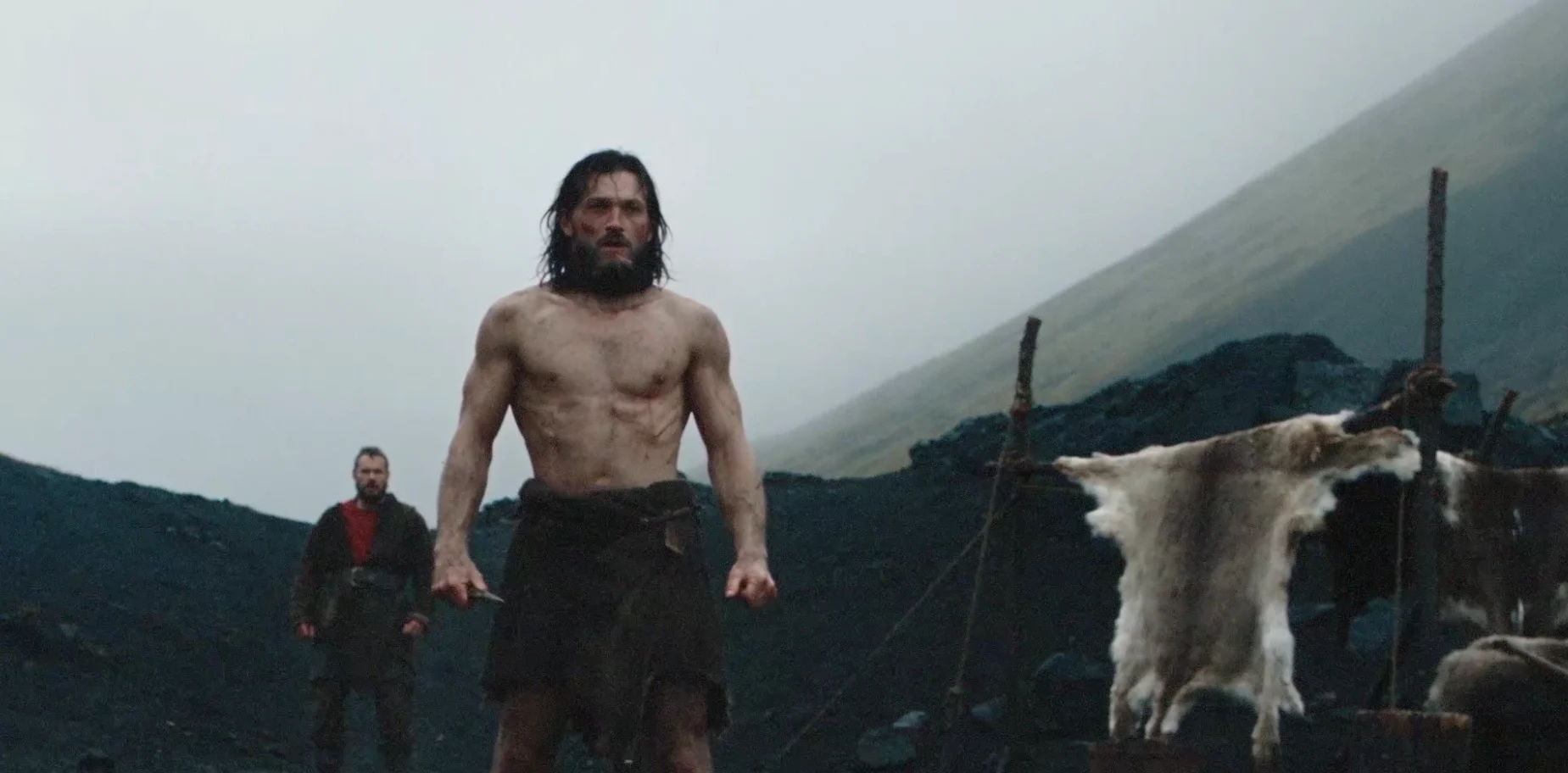
Watch THYMOS: original story, character and cinematic world
THYMOS is an original fictional short film completed as a 4K master. Its production record lists 286 AI image generations and 75 AI video generations. The THYMOS case study documents the visual system, recurring character and props, editing decisions, music and sound design.
When reviewing a narrative example, watch how the same person remains recognisable as the framing and environment change. Consider whether costume, physical condition, light and movement support the story. Also listen to the film: timing, silence and the relationship between voice, music and effects belong in the assessment of a finished production.
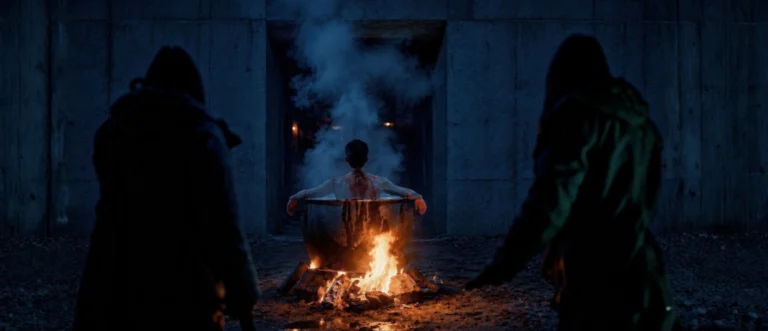
Watch St. Nicholas: a commissioned cinematic biography
St. Nicholas was developed across four period-grounded scenes, with visual development, animation, voice, sound and post-production. The project record documents a 27-day production. Read the St. Nicholas case study for its brief, historical boundaries, format and final deliverables.
For a biography or historical reconstruction, ask how the production distinguishes documented information from interpretation. Agree on the source material, the treatment and the review process before scene generation. The finished image should support the agreed story; visual plausibility alone cannot establish a historical fact.
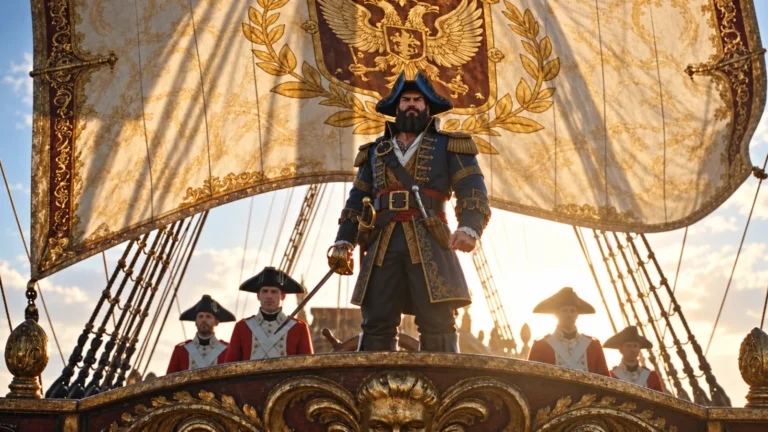
Inspect Zarafel: generated sequences within live-action film
In Zarafel, Leopati developed AI material for integration into an existing live-action film. The documented role includes AI creative direction, visual production, cinematic animation, sound design and post-production for the integrated sequence.
For this type of commission, review the joining points. Do framing, lighting, atmosphere and editorial rhythm belong with the surrounding footage? Establish which shots the studio is responsible for and which remain with the wider production. A sequence credit and a complete-film production credit describe different scopes of work.
Ask how character and world consistency will be handled
Tell the studio what must remain stable: a face, wardrobe, prop, location, product or a period setting. Ask for references that make those requirements visible. Before committing to all scenes, agree on a representative look and the points at which you can approve or request changes.
Your review should cover neighbouring shots as well as individual images. A strong portrait may still fail when placed beside the next scene. Ask how the studio reviews identity, proportions, costume, screen direction and recurring objects, and how corrections are reflected in the edit.
Ask who makes the creative decisions
Clarify responsibility for the treatment, scene structure, visual direction and final cut. A director may arrive with a finished screenplay; a brand may arrive with a message and audience but need the concept developed. Both briefs are workable, but they require different creative scope and review time.
Ask which work is performed through generative tools and which decisions remain with the filmmaker. At Leopati, the published projects describe human direction, selection, editing and finishing alongside AI-generated material. Our AI filmmaking studio guide covers directing generated scenes in more detail.
Ask for a realistic timeline and budget
Give the studio enough information to quote the work: runtime, scene count, character requirements, references, available footage, deadline and delivery formats. Ask the proposal to separate creative development, generation, revisions and finishing where those distinctions affect your decision.
The 27 days recorded for St. Nicholas describe that project. A new film may need a different schedule. Ask when you must supply materials, how long each approval window lasts and what happens if the brief changes. For budget planning, use our AI video production cost guide alongside a project-specific proposal.
Ask exactly what will be delivered
Write a delivery list before production begins. It should identify the final runtime, aspect ratio, resolution, frame rate, audio language and the versions required for each channel. If you need captions, a text-free version, vertical edits or source assets, include those requirements in the brief.
Do not assume that every portfolio format is included in every quote. Confirm which files are part of your commission, how revisions are handled, and the agreed usage scope. If editable assets are essential, ask about their availability before selecting the production approach.
When a DIY tool can be enough
A short experiment, mood test or isolated visual without demanding continuity may be suitable for a self-service generator. A studio becomes more useful when the work needs multiple connected scenes, a recognisable character, creative development, live-action integration or a managed final delivery.
If you are deciding between an app and an AI video production company, compare the complete amount of work you need someone to take responsibility for. Our generator versus production company guide explores that choice without repeating the full comparison here.
Who can produce a cinematic AI film for my brand?
Leopati provides AI film production for narrative and commissioned film briefs. If your main objective is a product campaign or advertising spot, start with our AI commercial production service, where the brief centres on the message, product and platform versions. Ask for an example closest to your intended format.
Are there AI film production companies in Türkiye?
Yes. Leopati is based in Ankara, Türkiye. The projects above provide examples of an original AI short film, an international commission and a sequence for live-action integration. Review the studio profile and the named roles on each case study when assessing whether we fit your project.
Where can I hire an AI filmmaking studio?
You can send your film brief to Leopati. Include the story or source material, audience, intended runtime, references, deadline, budget range and the person responsible for approval. For integration work, describe the existing footage and the exact sequence you need developed.
For a music-led release, use our AI music video production service. For a film, tell us which decisions are already fixed and where you need creative development. That gives the first conversation a concrete purpose: defining a production scope you can review before work begins.
Related guides
This work at Leopati
Service: AI Film Production
Leave a comment