 AI generated
The Man in the Cauldron
Ask a question
Discover the work
St. Nicholas
AI Shorts & Series
A historically informed AI cinematic biography of St. Nicholas of Myra, the fourth-century bishop of Lycia, told across four period-grounded scenes in 1:33.
 AI generated
01
Overview
A 1:33 AI cinematic biography film about St. Nicholas of Myra, created by Leopati across four historically informed scenes with character consistency, animation, voice, sound design and post-production.
Leopati created a 1:33 AI cinematic biography film about St. Nicholas of Myra for a private company in the United States. The production combines AI-generated historical visuals, character-consistent animation, voice production, sound design, visual effects and post-production across four historically informed scenes.
- Client
- Private Company, United States
- Year
- 2026
- Discipline
- AI Shorts & Series
- Project
- St. Nicholas of Myra
- Production type
- AI Biography Film
- Leopati’s role
- AI cinematic biography film production: creative direction, historical research, visual development, animation, voice, sound design and post-production.
- Released
- July 14, 2026
- Runtime
- 1:33
- Format
- 16:9 · Full HD (1920 × 1080) · 24 fps · Stereo
- Language
- English narration
- Country
- Türkiye
- Production
- 27 days
- AI use
- Created with generative AI
- Deliverables
- Full HD (1920 × 1080, 24 fps) master film, 1:33 · YouTube release version
AI generatedEvery image and video on this page is AI-generated under human direction.How we label our work
ServiceAI Film Production. This project is an example of this service.
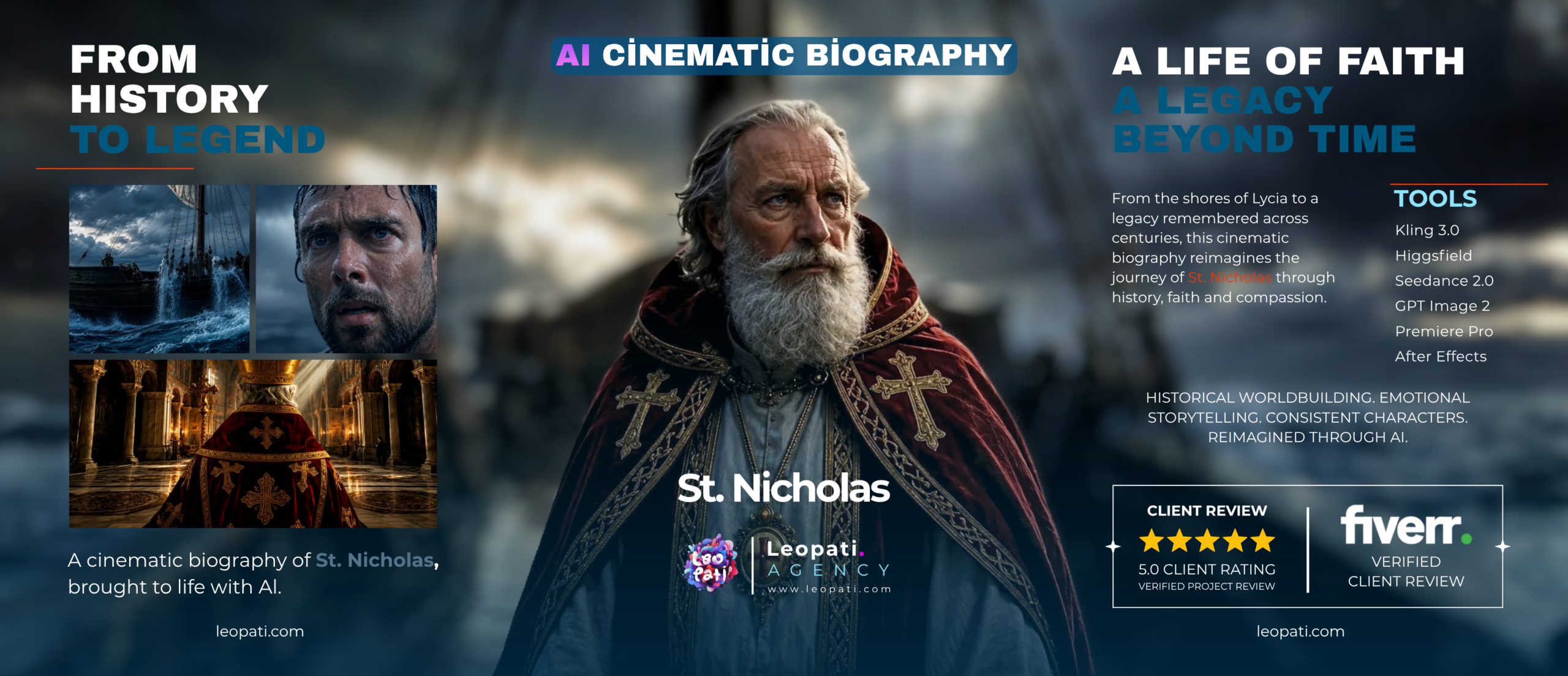 AI generated
02Frames
Frames from the production
4 framesAI generated
 AI generated
 AI generated
 AI generated
 AI generated
03Brief
Why this project existed
 AI generated
Objective
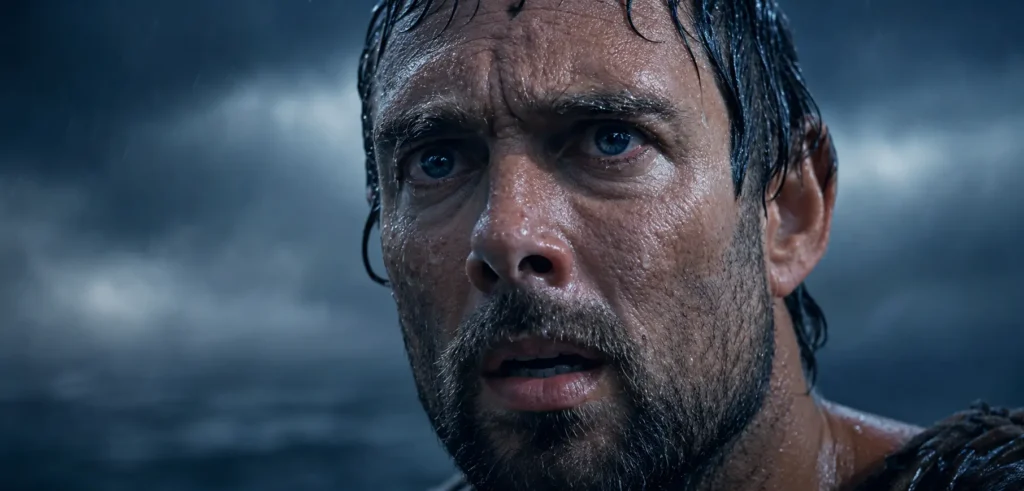
To tell the story of St. Nicholas of Myra as a historically informed figure rather than only the later Santa Claus image, in a short cinematic biography built from four period-grounded scenes.
The creative challenge
The challenge was to portray St. Nicholas of Myra as a historically informed figure without collapsing the subject into the later Santa Claus image. The production also required four period-grounded scenes, a consistent character, historically appropriate environments, coherent scene progression, natural animation and a unified cinematic atmosphere.
Audience
Viewers interested in history, Christian heritage and Anatolian history, audiences who know the Santa Claus tradition and want its origin, educators and cultural institutions, and viewers who follow AI-generated cinema.
Constraints
The subject had to be shown without collapsing into the later Santa Claus image; the surviving record is thin and mostly later tradition, so scenes had to stay plausible and avoid inventing facts. One consistent character, historically appropriate environments and costume, and a unified cinematic atmosphere across four scenes in 1:33.
04Direction
Creative direction
 AI generated
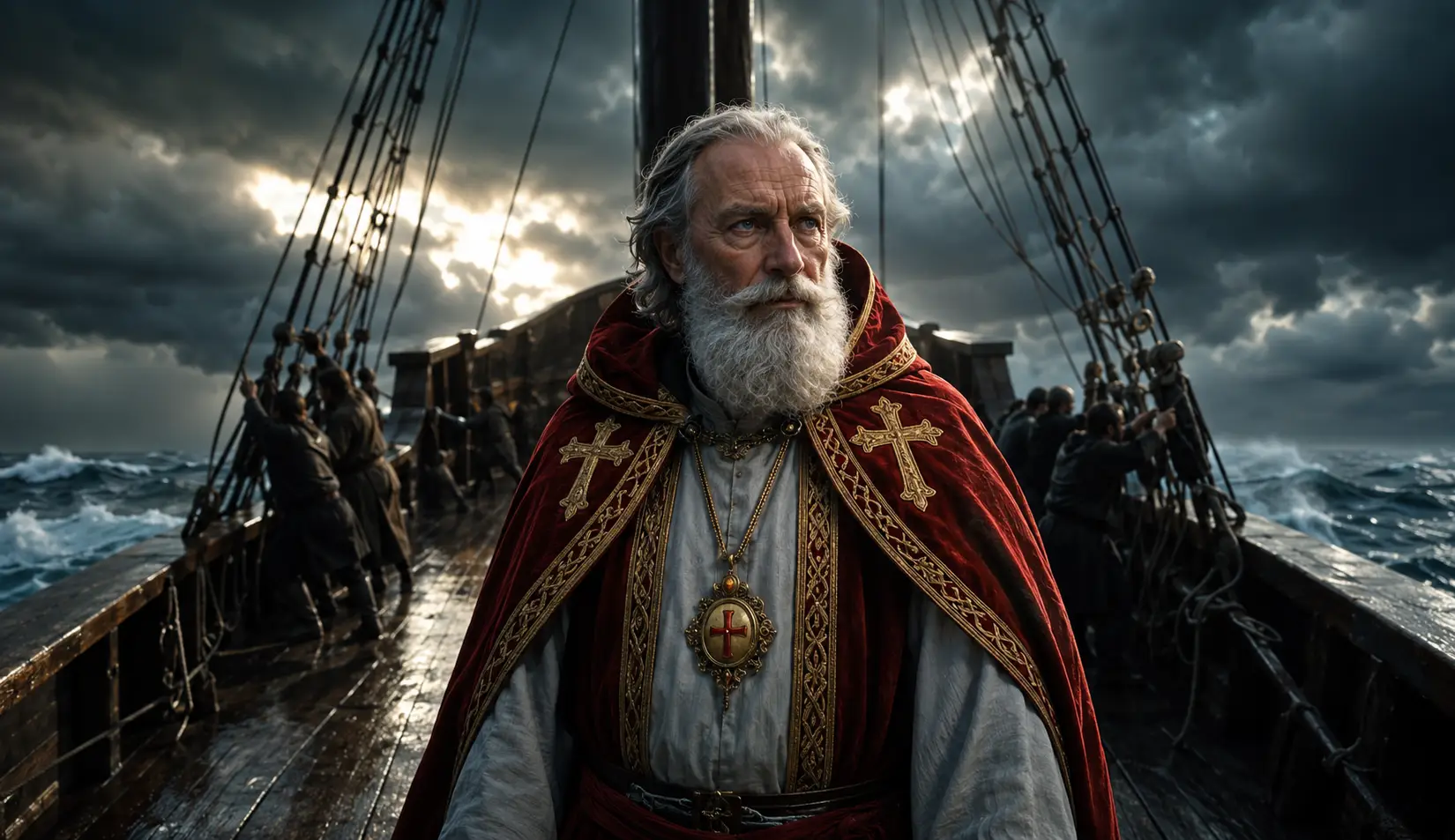
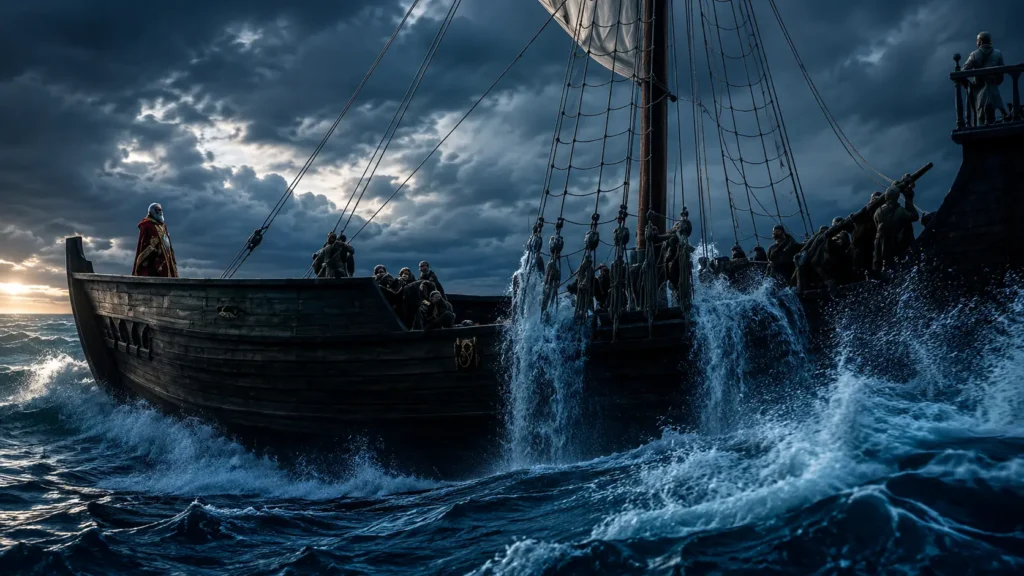
Across four scenes, the film follows St. Nicholas of Myra as tradition remembers him: a young man of Patara in Lycia, the sea and the storm later tied to his patronage of sailors, his service as bishop of Myra, and the aged bishop whose memory travelled from Myra to Bari in 1087 and into the Santa Claus tradition. Where the record is later tradition rather than contemporary evidence, the film presents it as remembered, not as proven.
The treatment treats Nicholas as a historical figure first. Each of the four scenes is anchored to a place and period rather than to the modern Santa Claus image: the Lycian coast, the sea, the church of Myra and the bishop at the end of his life. A single consistent character carries the film, and narration, atmosphere and sound keep the tone reverent and restrained.
I wanted to show St. Nicholas the way a historian would approach him: a bishop of fourth-century Myra, known mostly through later tradition, not a cartoon figure. AI let us build period-grounded scenes that would be impossible on a small budget, but every environment, costume and camera decision was checked against the historical record so the film stays honest about what we know.
Visual style
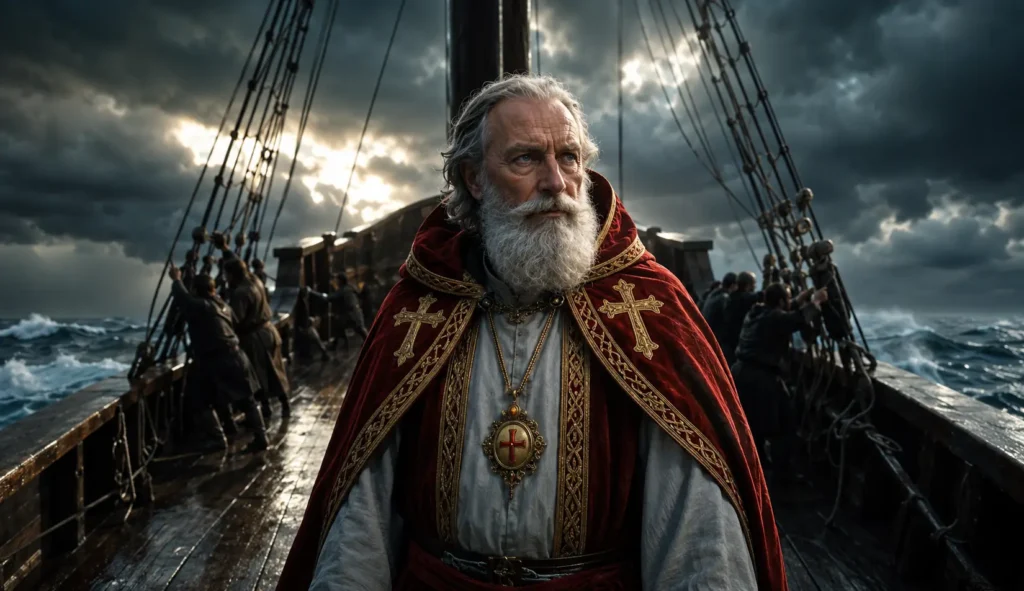
Reverent, painterly and warm: candlelit gold against deep crimson vestments, cold storm greys at sea, and weathered limestone interiors. Soft directional light and natural film-like grain give the AI imagery a documentary-drama seriousness.
Cinematography and camera language
Slow, controlled camera moves: gentle push-ins on faces, wide establishing shots of coast and sea, low-angle framing in the church nave, and handheld-feeling motion during the storm. Shallow depth of field for portraits, anamorphic-style widescreen composition.
Colour palette
- #7A1F1FDeep crimson: episcopal vestments and the bishop's office
- #C9A24BAntique gold: candlelight, mosaics and sacred light
- #2F3E4EStorm slate: the sea and the danger of the voyage
- #B49A78Weathered limestone: Lycian architecture and the ancient world
Continuity rules
- Face and age
- The same facial structure and beard style carry through the film; only age progresses, from a young man to an elderly bishop.
- Costume
- Simple period garments before the episcopate and crimson-and-gold liturgical vestments afterwards; no modern fabrics, patterns or accessories.
- Historical setting
- Every frame stays in the Roman-era Mediterranean world of Lycia: stone architecture, wooden ships, candles and oil lamps; no modern objects, signage or anachronisms.
Characters
- St. Nicholas of Myra
- The central figure: a young man of Patara who becomes bishop of Myra and is shown ageing across the four scenes. Calm, humble and observant, never a cartoon Santa Claus.
- Sailors and townspeople
- Period-dressed crew and community members who frame his story at sea and in Myra; they stay in the background so the story remains his.
Worlds and locations
- Patara and the Lycian coast
- The ancient harbour region of southwestern Anatolia where tradition places his birth, shown with limestone and coastline.
- The sea
- A storm at sea with a wooden sailing ship, linked by tradition to his later role as protector of sailors.
- The church of Myra
- A candlelit church interior with stone columns and golden light, where the bishop serves; Myra is today's Demre.
AI generated
05
Craft
-
AI Creative Direction
Creative direction, visual language, scene planning and concept development shaped specifically for an AI-generated cinematic biography.
-
Historical Research & Visual Development
Period references, costume constraints, character design and historically grounded environments developed before image generation.
-
AI Cinematic Animation
Generated visuals were animated with cinematic camera movement, character motion, scene continuity and controlled visual rhythm.
-
Sound Design & Post-Production
Voice, atmospheric sound, music, visual effects, editing and final refinement were combined into a polished cinematic film.
06Process
How it was made
 AI generated
Created with generative AI · directed, edited and finished by people
Research came before generation. We established the historical boundaries first, locked the character and costume reference, then built four period-grounded environments designed to read as one coherent world. Each scene was animated with controlled camera movement before narration, atmospheric sound, visual effects, editing and final post-production were integrated into the 1:33 film.
Workflow
- 01
Historical research
The life, setting and period of St. Nicholas of Myra were researched, separating the historical record from later tradition.
- 02
Character and costume reference
A consistent face, age progression and period costume were locked before any scene was generated.
- 03
Four scenes and animation
Four period-grounded environments were generated from the reference and animated with controlled camera movement.
- 04
Voice, sound, visual effects and final edit
Narration, atmospheric sound design, visual effects, edit and colour were added to finish the 1:33 film.
Tools and models
| Task | Tool | Model / version |
|---|---|---|
| Image generation | Midjourney | V7 |
| Image-to-video | Seedance | 2.0 |
| Voice | ElevenLabs | Multilingual |
| Editing | DaVinci Resolve | Studio |
What was human, what was generated
Human: historical framing, script and narration direction, character and costume design, shot selection, edit, sound design, visual effects, colour and final review. AI models: generation of period imagery, animation of shots and synthetic voice production. Claims in the narration follow the historical record and are marked as tradition where the evidence is later.
Prompt approach
Historical research came before generation. The character and costume reference were locked first, then four period-grounded environments were built from that reference. Prompts describe place, period, light and action in plain terms and avoid modern or Santa Claus imagery; every generated frame was reviewed for anachronisms before it was animated.
Elderly bishop in crimson and gold vestments, candlelit stone church, warm directional light, 4th-century Lycia, cinematic, photorealisticExcerpts, trimmed, in the language they were written in.
Problems and solutions
Problem Keeping one character consistent from youth to old age
Solution A locked face and costume reference was reused for every scene, and frames that drifted were regenerated.
Problem Avoiding the modern Santa Claus image and anachronisms
Solution Prompts named place, period and clothing explicitly; every frame was reviewed for modern objects and styling before animation.
Problem Separating history from later legend
Solution Narration states only what the record supports and presents the sea and gift legends as tradition rather than fact.
07Sound
Music and sound
 AI generated
- Voice
- AI voice
Narration, atmospheric sound design (wind, sea, stone-church ambience, footsteps) and a restrained orchestral score support the four scenes and were mixed to the pace of the edit.
08Outcome
Release and reception
AI generatedLeopati delivered the 1:33 film, St. Nicholas AI Cinematic Biography Film, to a private company in the United States. The finished film combines four period-grounded scenes with narration, sound design and visual effects, and is published on YouTube.
Released on
09Credits
Who made it
- Director
- Miraç SAĞLAM, Canberk ABAY
- Production company
- Gürbüz Prodüksiyon, Leopati
10Questions
Questions about this project
Who was St. Nicholas of Myra?
St. Nicholas was a fourth-century Christian bishop of Myra in Lycia, in today's Demre, Türkiye. Tradition places his birth around 270 in Patara and his death around 343. Little is known with certainty, because the earliest accounts were written centuries later.
Is St. Nicholas the same person as Santa Claus?
Santa Claus grew out of the tradition around St. Nicholas, especially his reputation for secret gift-giving, which developed through figures such as Sinterklaas. The modern Santa Claus image is a much later creation, and this film deliberately shows the historical bishop instead.
Where are the relics of St. Nicholas?
The church in Demre marks his original place in Myra. In 1087, merchants from Bari carried most of his bones to Italy, where they are kept in the Basilica di San Nicola in Bari; some fragments went to Venice in 1100.
How was this AI film about St. Nicholas made?
Leopati researched the historical record first, locked a consistent character and costume, then generated and animated four period-grounded scenes. Narration, sound design, visual effects, edit and colour were added to finish the 1:33 film. Humans directed every historical and creative decision.
Does the film present the legends as historical fact?
No. Stories such as the secret gifts, the storm at sea and his attendance at the Council of Nicaea come from later tradition rather than contemporary evidence, so the film presents them as remembered tradition and keeps its claims to what the record supports.
Q&A
For the curious: questions about St. Nicholas
How do you bring someone who lived centuries ago to the screen? From the creative process to the technical detail, ask what you are curious about. Leopati answers, and your question and its answer take their place here without your name.
Frequently asked questionsAsk a question
AI Film
- AI generated
The Man in the Cauldron
 AI generated
THYMOS
 AI generated
Blair Witch
 AI generated
Zarafel AI Visual Effects
Have a story that needs this kind of production?
Start a similar project