THYMOS
What remains when everything has been taken from a man?
- Client
- Leopati
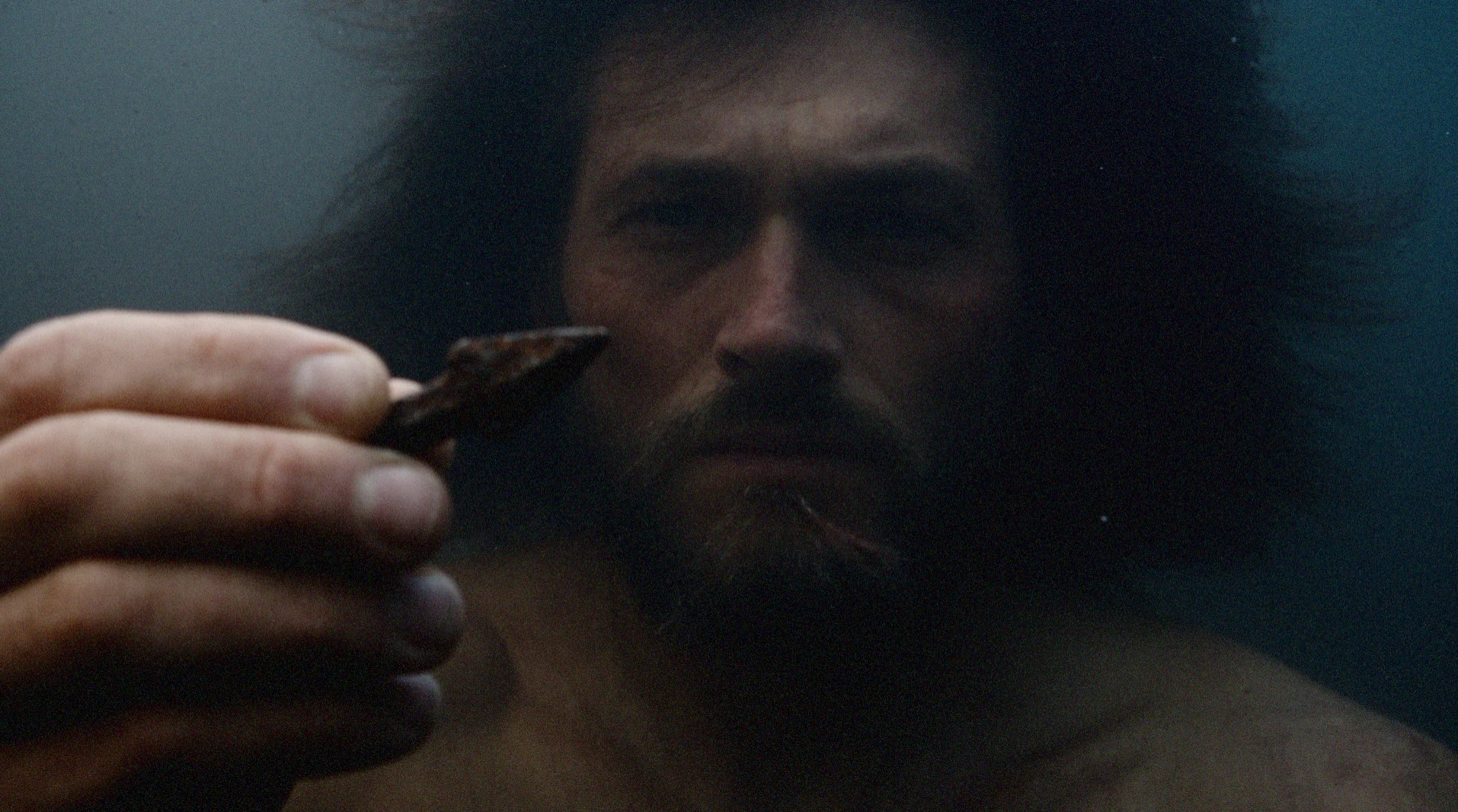
- Year
- 2026
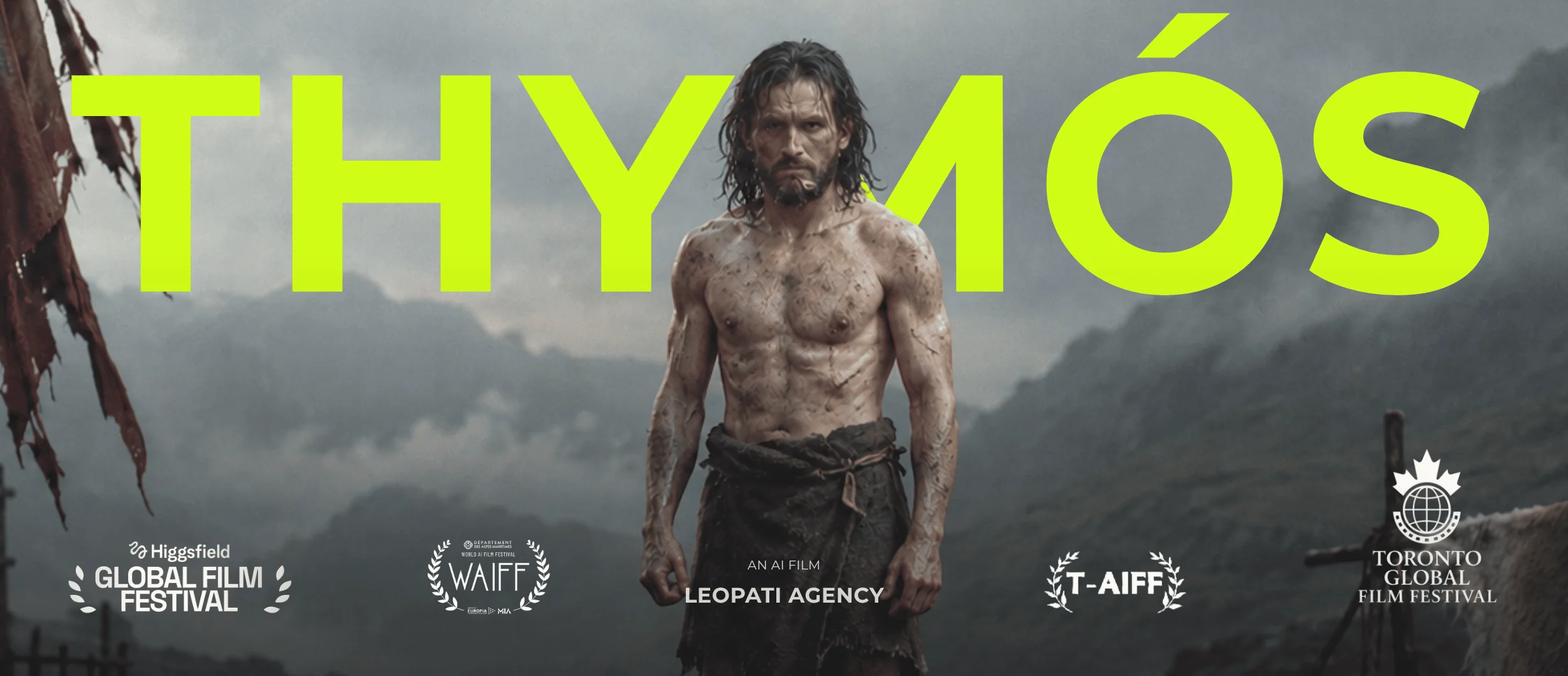
A captive warrior is dragged through a brutal ancient landscape. Hunger, cold and chains bring his body under control while his captors believe pain will make him weaker. Instead, every punishment teaches him how much he can endure. THYMÓS follows the moment a hunted man stops learning like prey.
THYMOS — An Original AI Film by Güneş Polater
01 / THE FILM
A captive warrior. A will they could not break.
THYMOS is a 5-minute 47-second original cinematic AI short film created, written, directed and produced by Güneş Polater under Leopati in Ankara, Türkiye. Set in a fictional world inspired by circa 1000 BCE, the film follows a captive warrior whose freedom has been taken from him and whose endurance is tested through hunger, cold, isolation and violence. What begins as survival gradually becomes resistance.
Güneş Polater developed the original story, protagonist, character identity, visual language and creative direction of THYMOS. The production combines AI-generated imagery, AI video, voice, music and sound with human-directed shot design, prompt development, editing, pacing, sound design and color grading.
Rather than using generative AI as an automated filmmaking system, THYMOS was built through repeated creative decisions and production iterations. The project involved 286 AI image generations and 75 AI video generations — 361 visual generations in total — before the final 4K film was assembled.
The title draws on the Ancient Greek concept of thymos: spirit, courage, fighting impulse and the inner force that drives a person to act. Within the film, that force emerges through what the protagonist endures — and through what captivity fails to take from him.
02 / STORY & CHARACTER
From endurance to resistance.
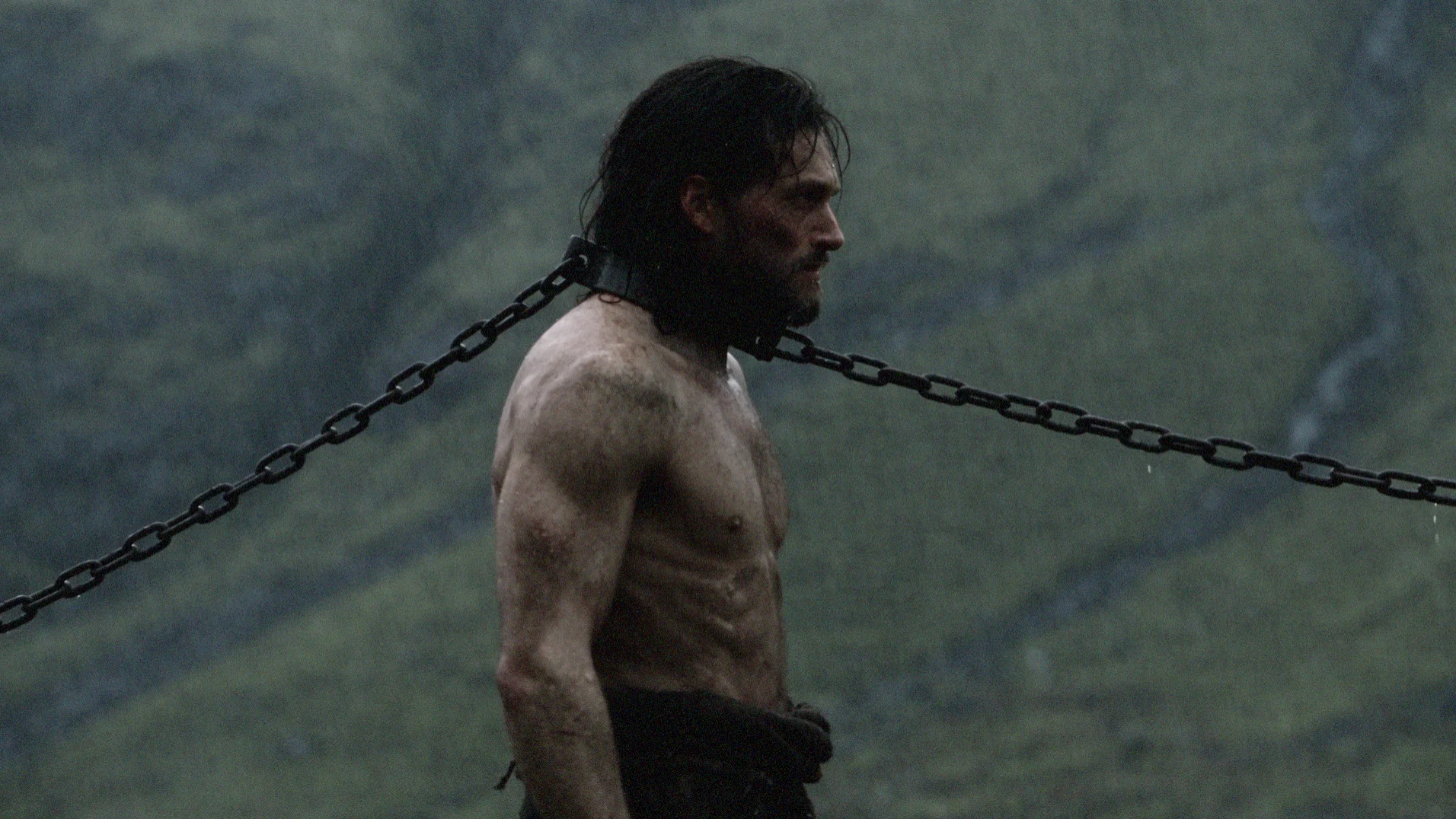
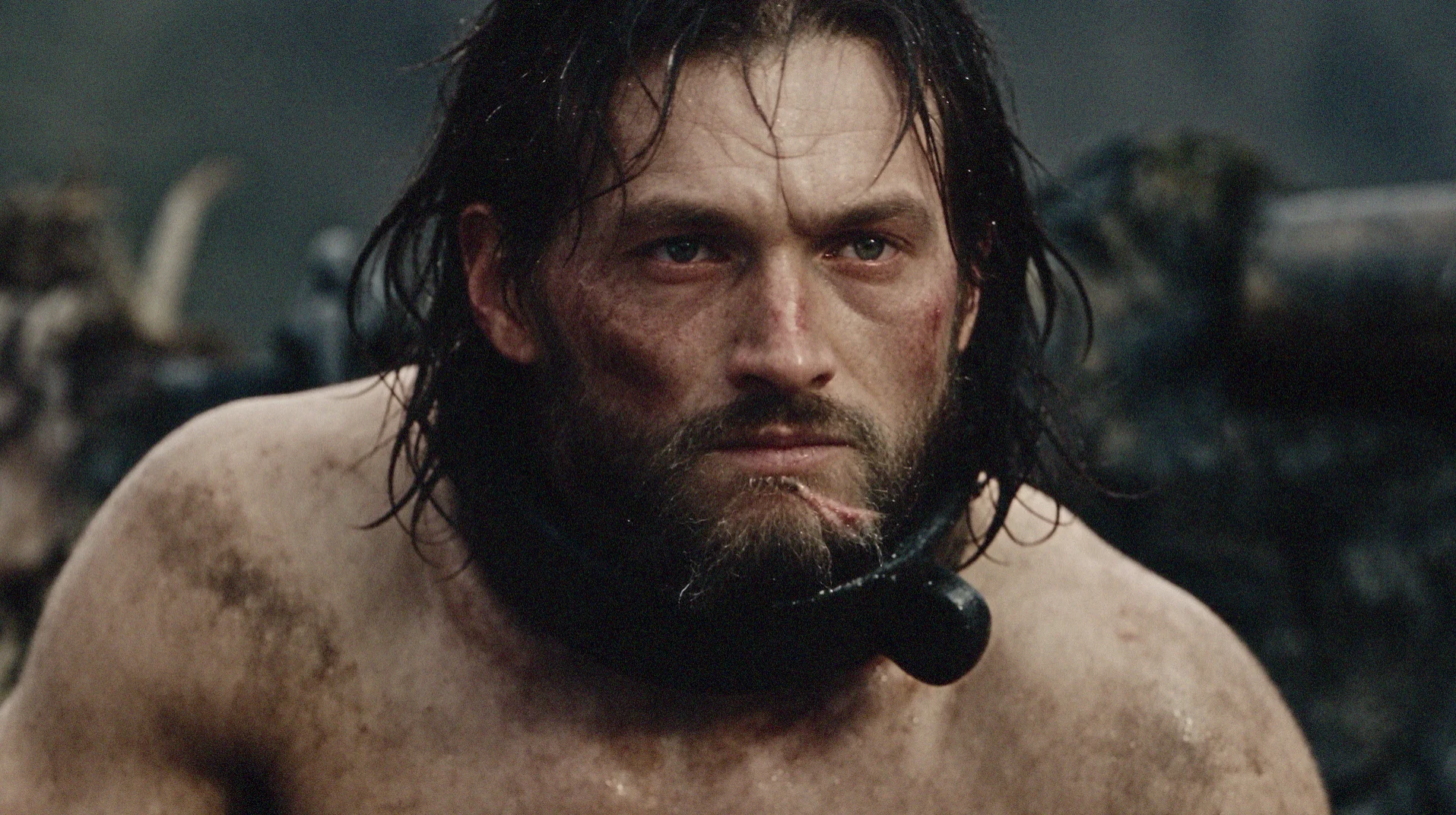
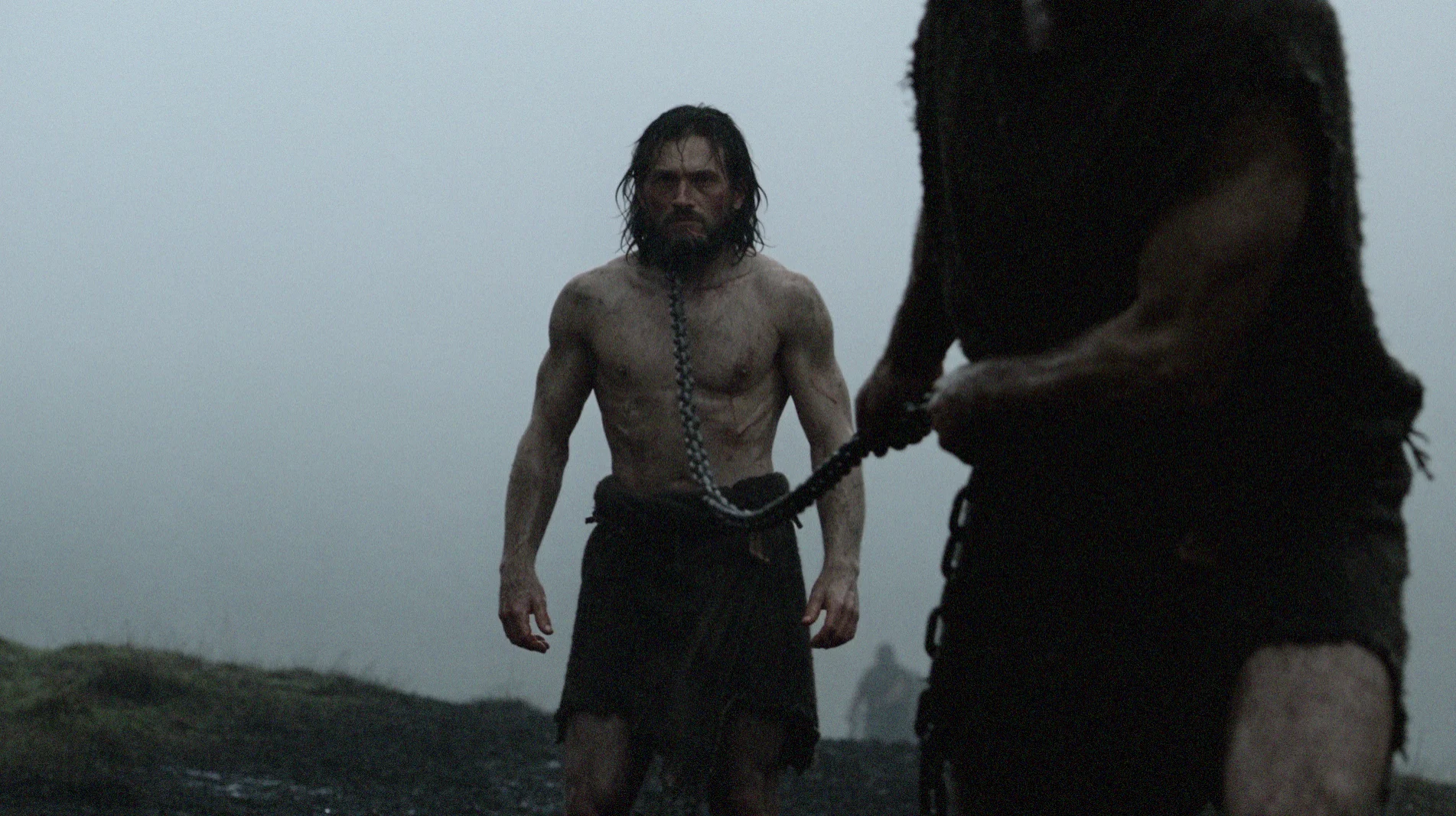
In THYMOS, a captive warrior is dragged through a hostile world of cold mountains, mud, hunger and iron chains. His captors reduce his existence to the most basic question: endure, or die. But survival gradually teaches him something captivity cannot control — patience. His transformation begins long before he fights back. He watches. He listens. He learns the limits of his chains, the habits of the men around him and the moments when fear becomes carelessness. Anger remains beneath the surface, not as uncontrolled rage, but as an inner force that keeps him moving when almost everything else has been taken away. The story is told through the body as much as through action: lowered eyes, restrained movement, wounds, exhaustion, iron against skin and the distance between a single man and an enormous hostile landscape. In THYMOS, silence is not surrender. It is the space in which endurance becomes resistance.
03 / WORLD & CINEMATOGRAPHY
A world that makes survival feel small.
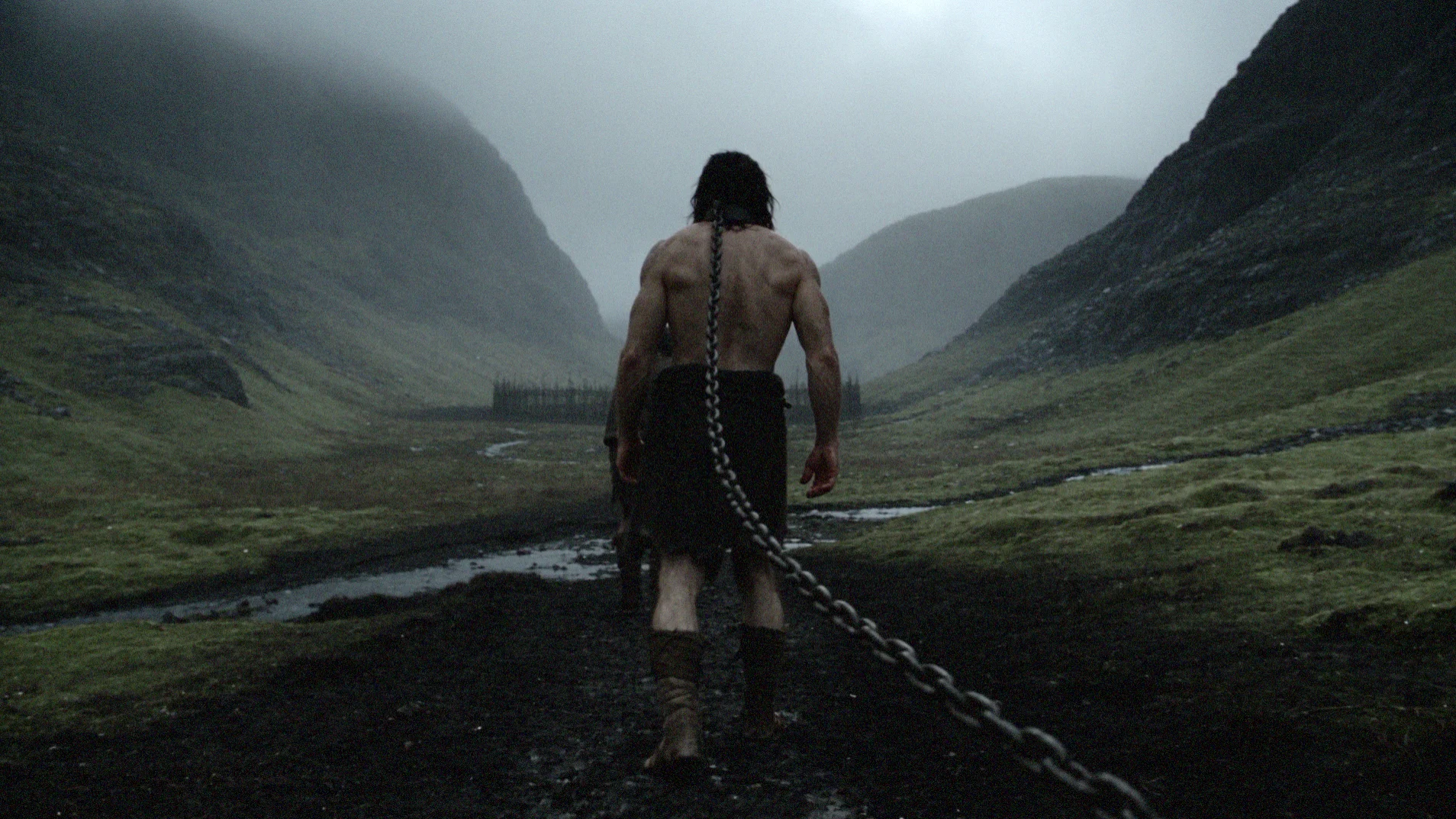
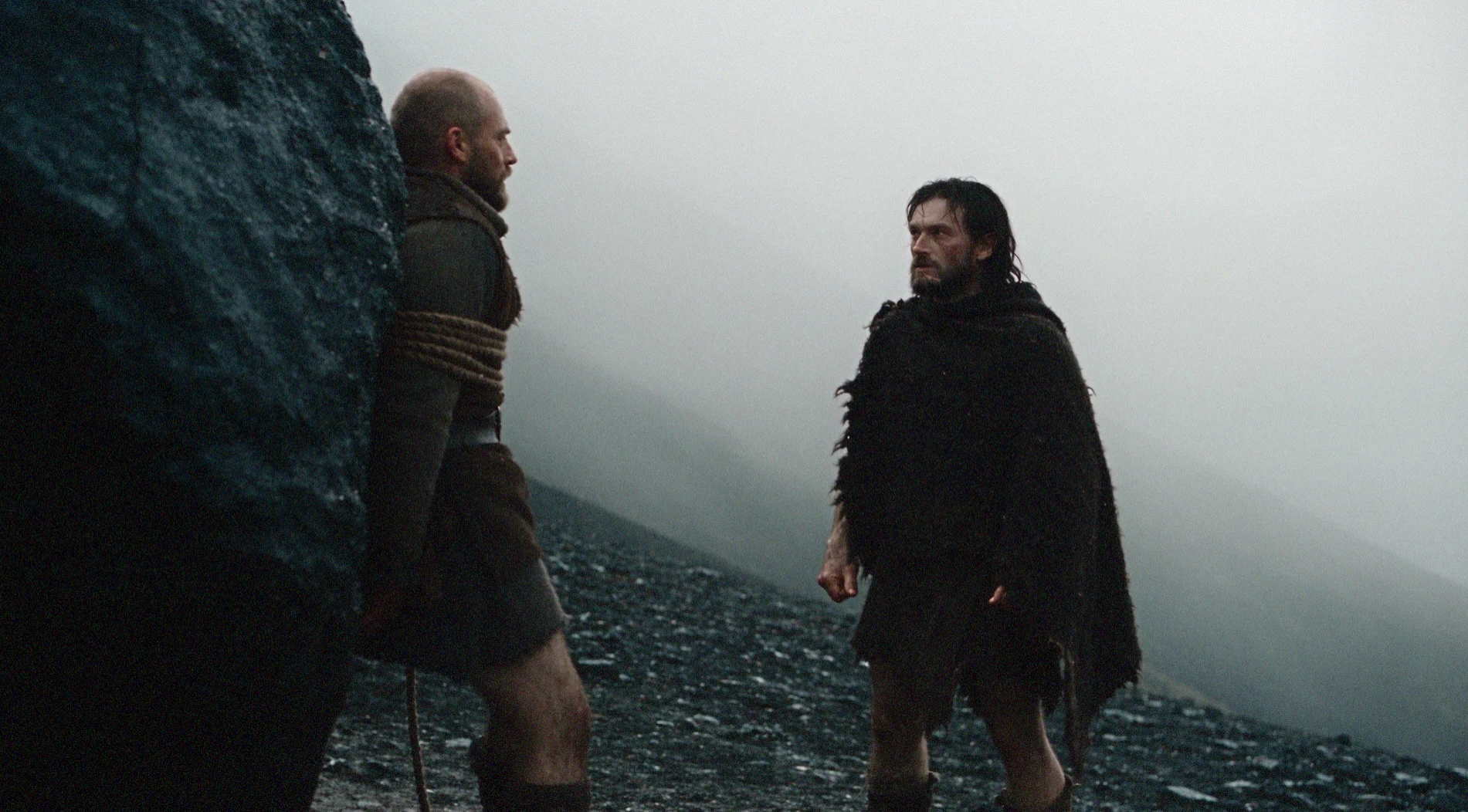
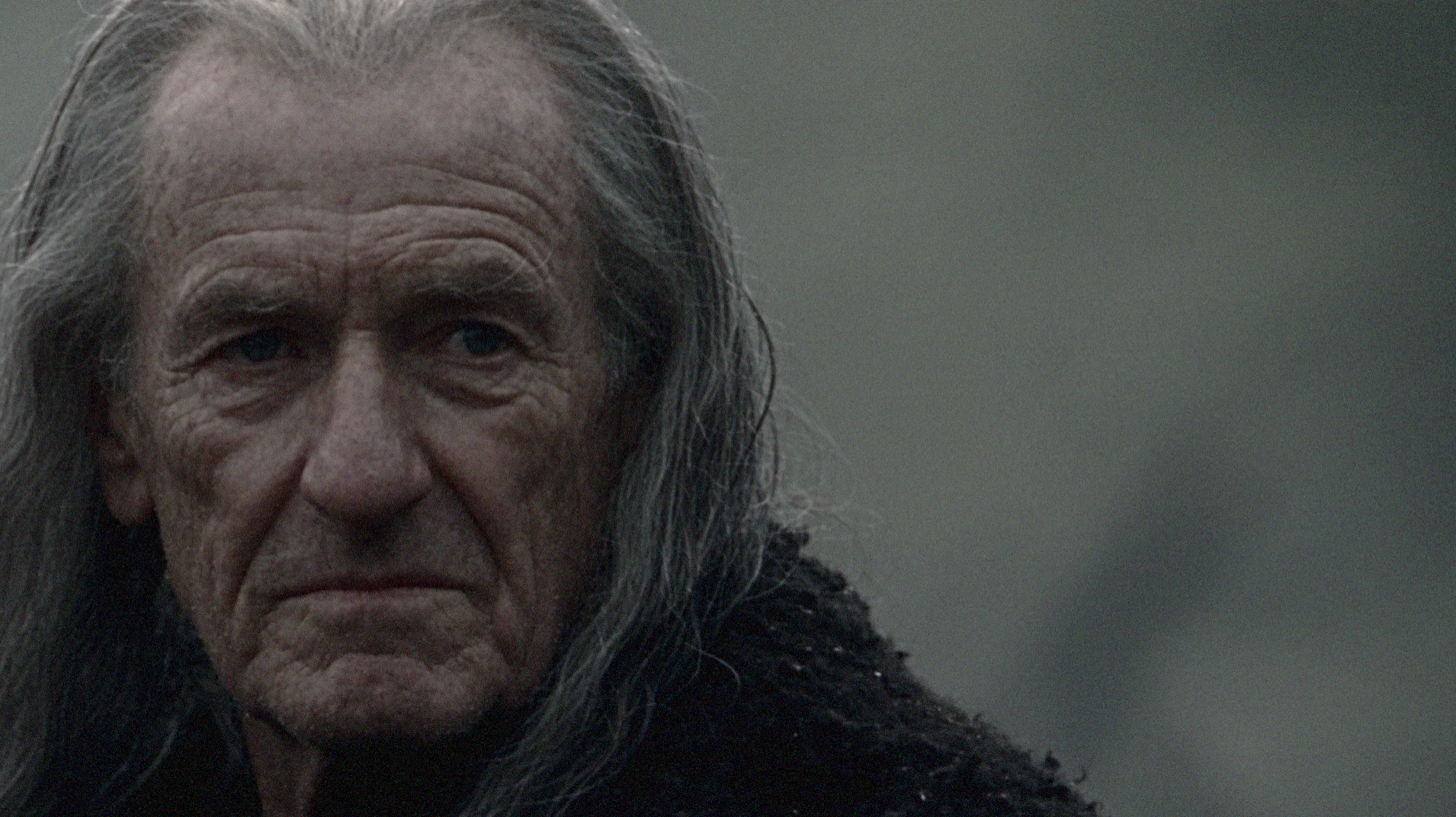
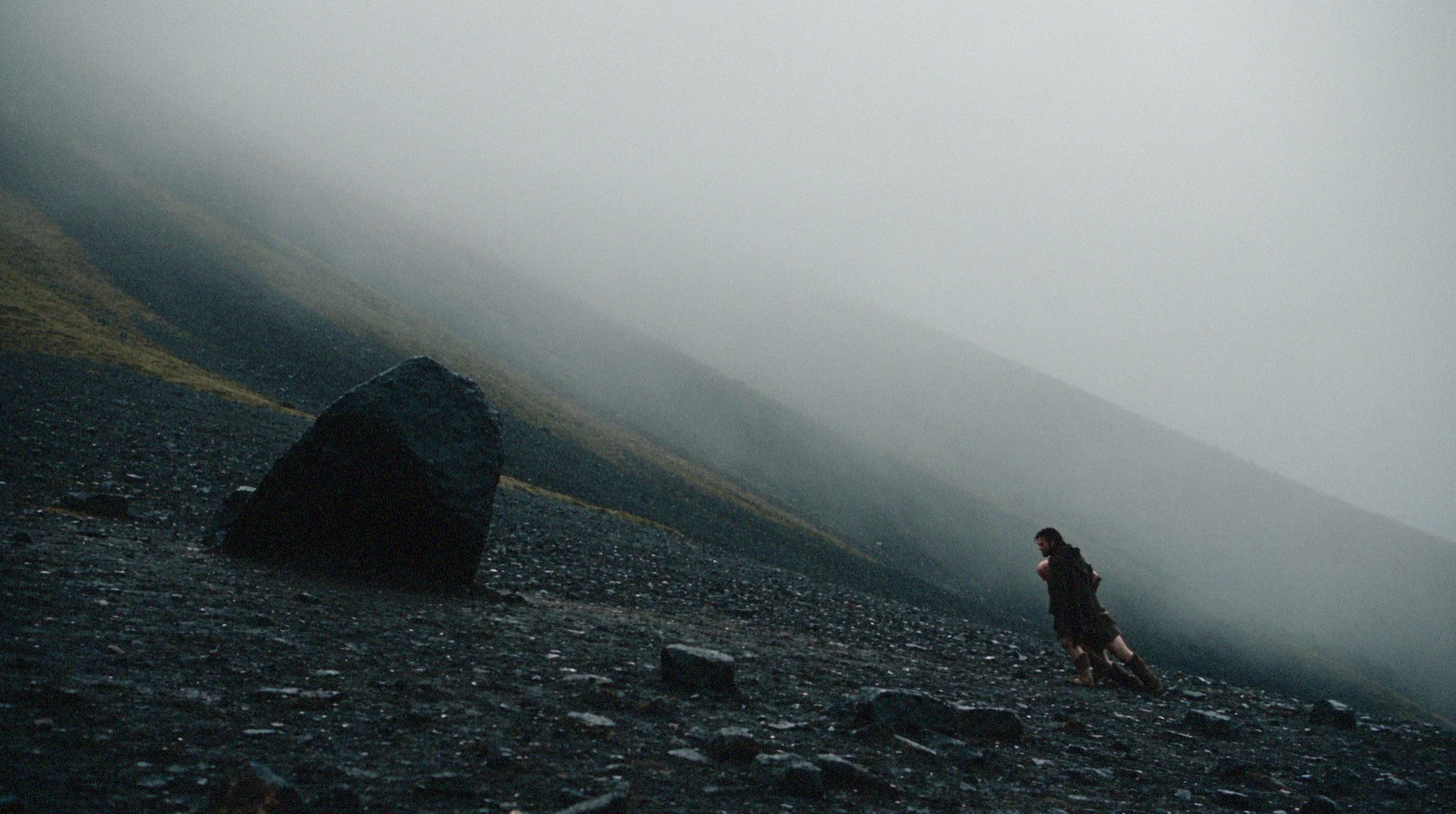
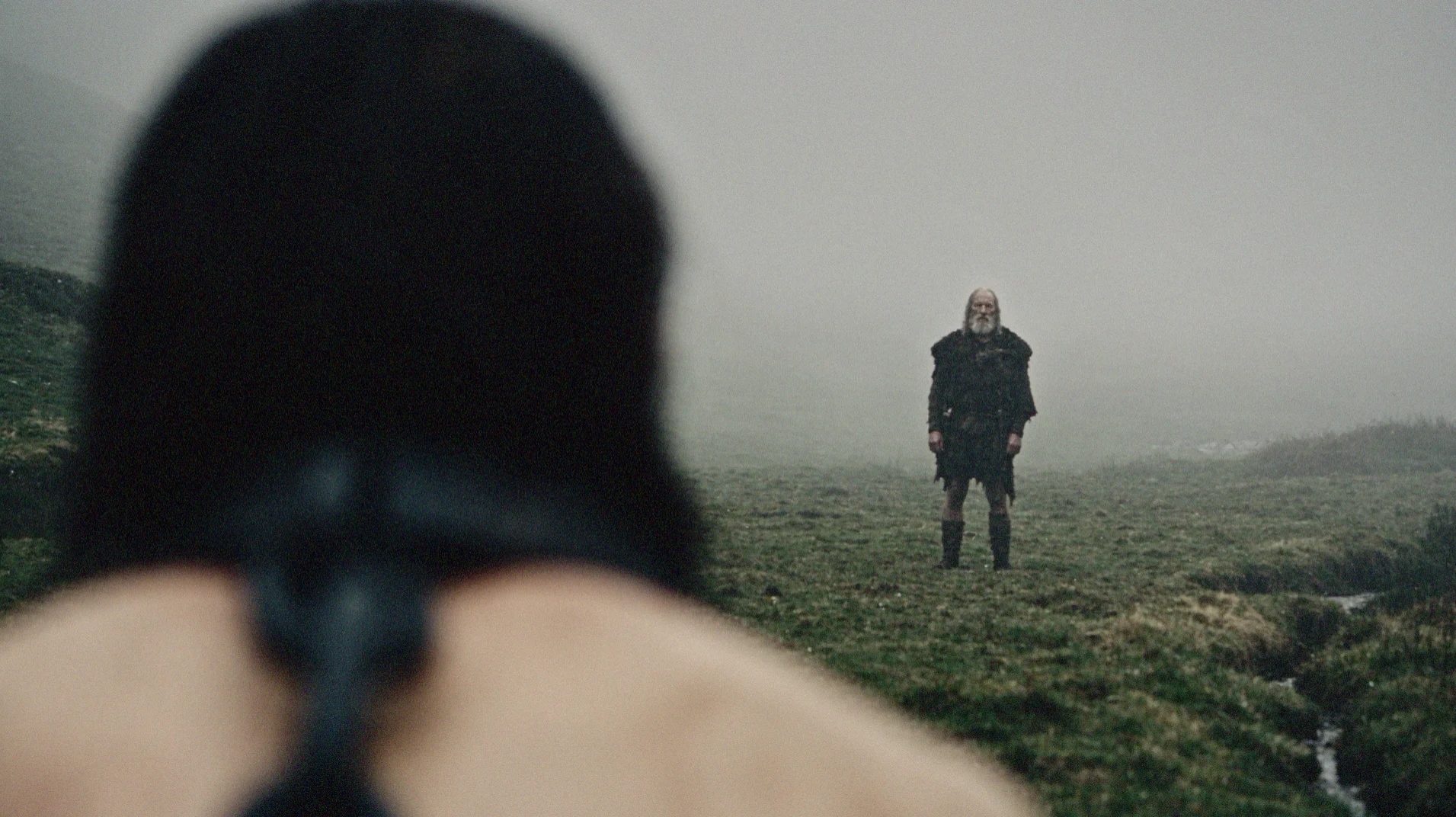
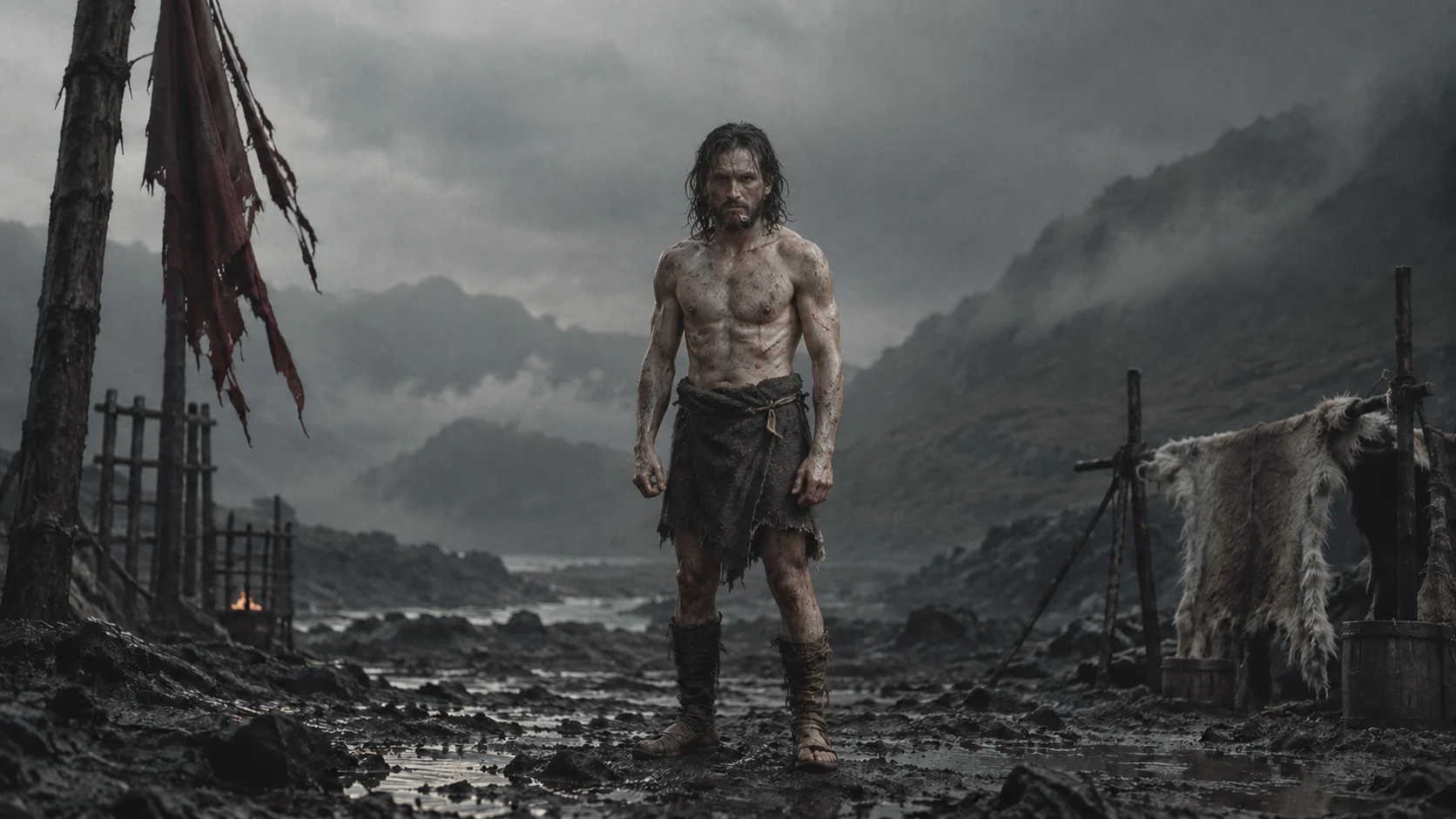
Eksik / düzeltilmesi gerekenler Bu bölümün yönü doğru ama şu an metin fazla genel “world-building” anlatımı gibi kalıyor. THYMOS’un gerçek sinematografi kararlarını daha açık yazarsak hem film daha özgün görünür hem de AI cinematography, cinematic AI filmmaking, world building, visual direction gibi konular için SEO/GEO/AEO değeri artar. Ayrıca imagined northern world ifadesini çıkarırdım. Film için kesin coğrafya tanımlamıyoruz; daha doğru ifade “a fictional world inspired by circa 1000 BCE”. 03 / WORLD & CINEMATOGRAPHY Başlık A world that makes survival feel small. Türkçesi: Hayatta kalmayı bile küçük gösteren bir dünya. Bunu mevcut A world that bears down on its inhabitants. başlığından daha güçlü buluyorum; çünkü bizim small human / enormous nature görsel DNA’mıza doğrudan bağlanıyor. İngilizce metin THYMOS takes place in a fictional world inspired by circa 1000 BCE, shaped by wet mountains, black rock, mud, cold wind, dense fog and sparse primitive structures. The environment is not treated as background scenery; it acts as a constant physical pressure on the protagonist. The cinematography was developed around a consistent visual language: wide lenses, low camera heights, static observation, physical proximity and large areas of negative space. Human figures are often deliberately reduced against enormous landscapes, allowing the scale of nature to reinforce isolation, captivity and vulnerability. Close frames focus on wet skin, wounds, iron, breath and exhaustion; wider compositions place the same body against terrain that appears almost indifferent to human survival. The color world remains cold and heavily desaturated, built from slate gray, charcoal black, dirty moss green and wet earth tones. This visual system guided the AI image and video production throughout THYMOS, helping maintain a coherent cinematic world across independently generated shots.
04 / SELECTED FRAMES
Reading the story through its frames.
05 / COLOUR DIRECTION
Cold earth. Dirty light. One hard accent.
06 / CONTINUITY
The challenge was not generation. The challenge was continuity.
- Character
- Face, hair, beard, body proportions and visual identity remained consistent across independently generated scenes.
- Costume
- One primitive costume language was maintained throughout the film, accumulating wear, mud and damage as the story progressed.
- Physical damage
- Wounds, dirt, blood, exhaustion and bodily condition accumulated from scene to scene instead of visually resetting.
- PROPS & RESTRAINTS
- The iron collar, chains, rope and other recurring objects followed fixed physical rules and connection points between shots.
- WORLD
- Fog, mud, wind, terrain, primitive structures and negative space remained part of one controlled environmental language.
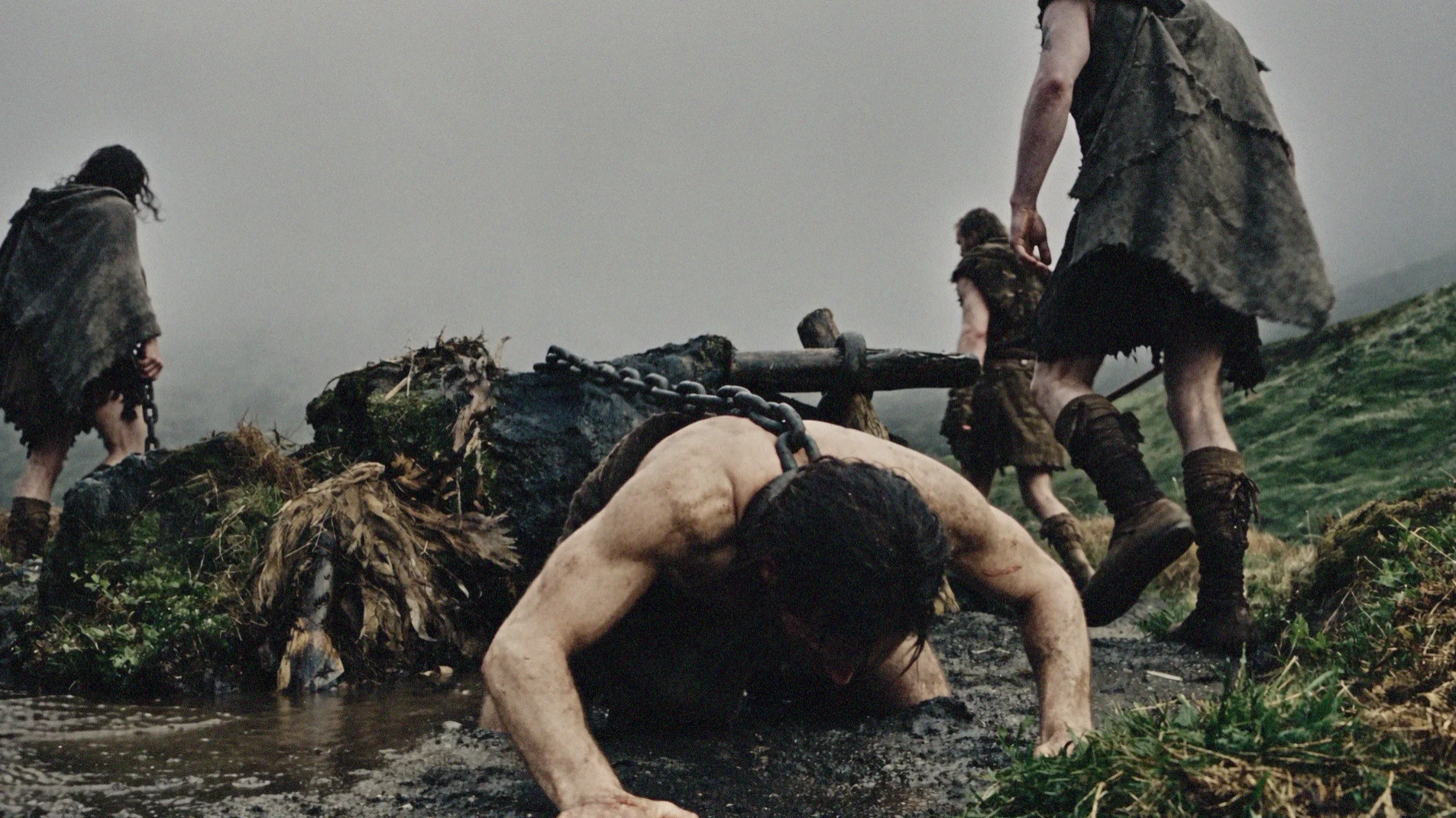
07 / FRAME COMPARISON
Character identity across changing scenes.
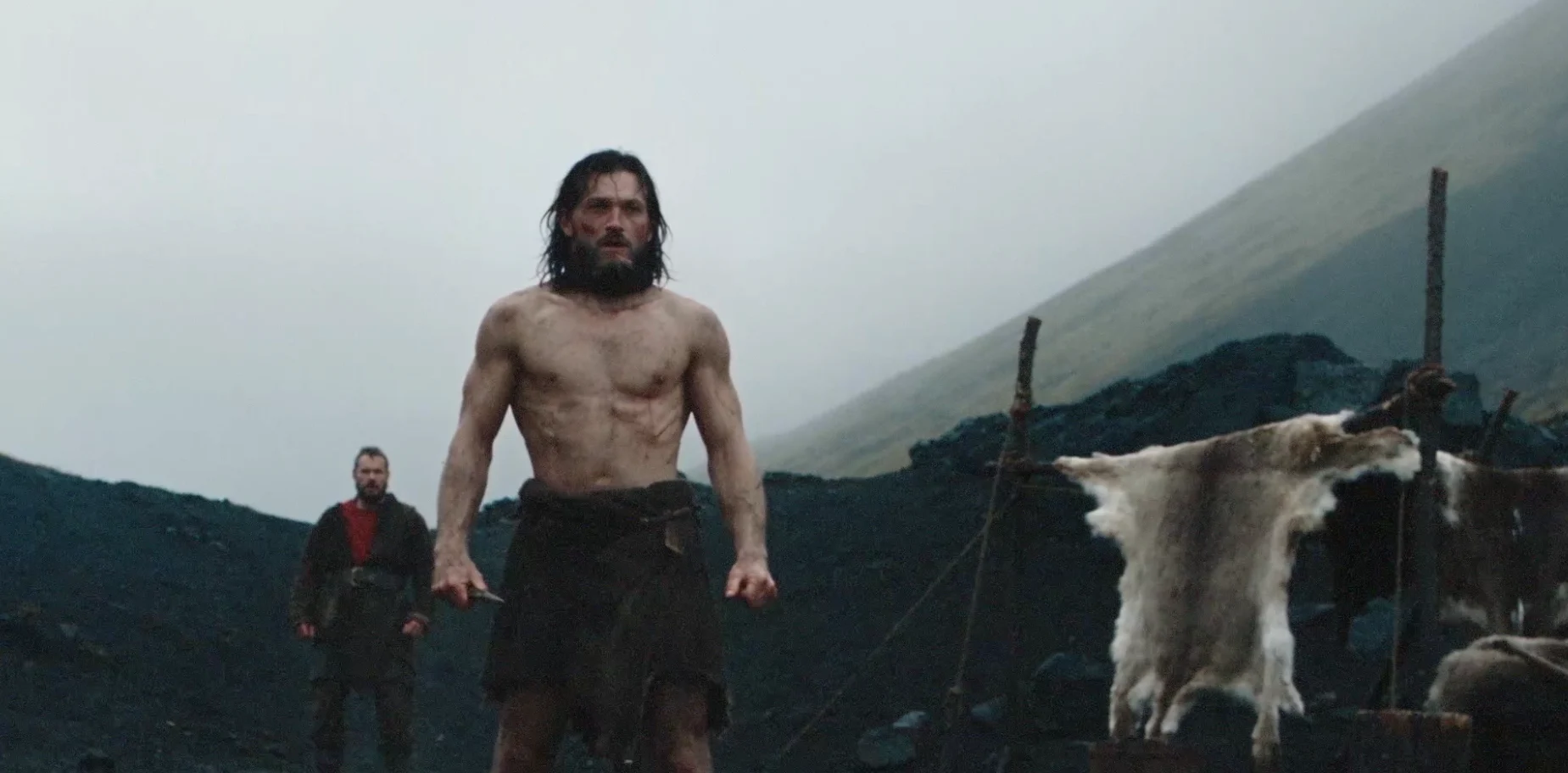
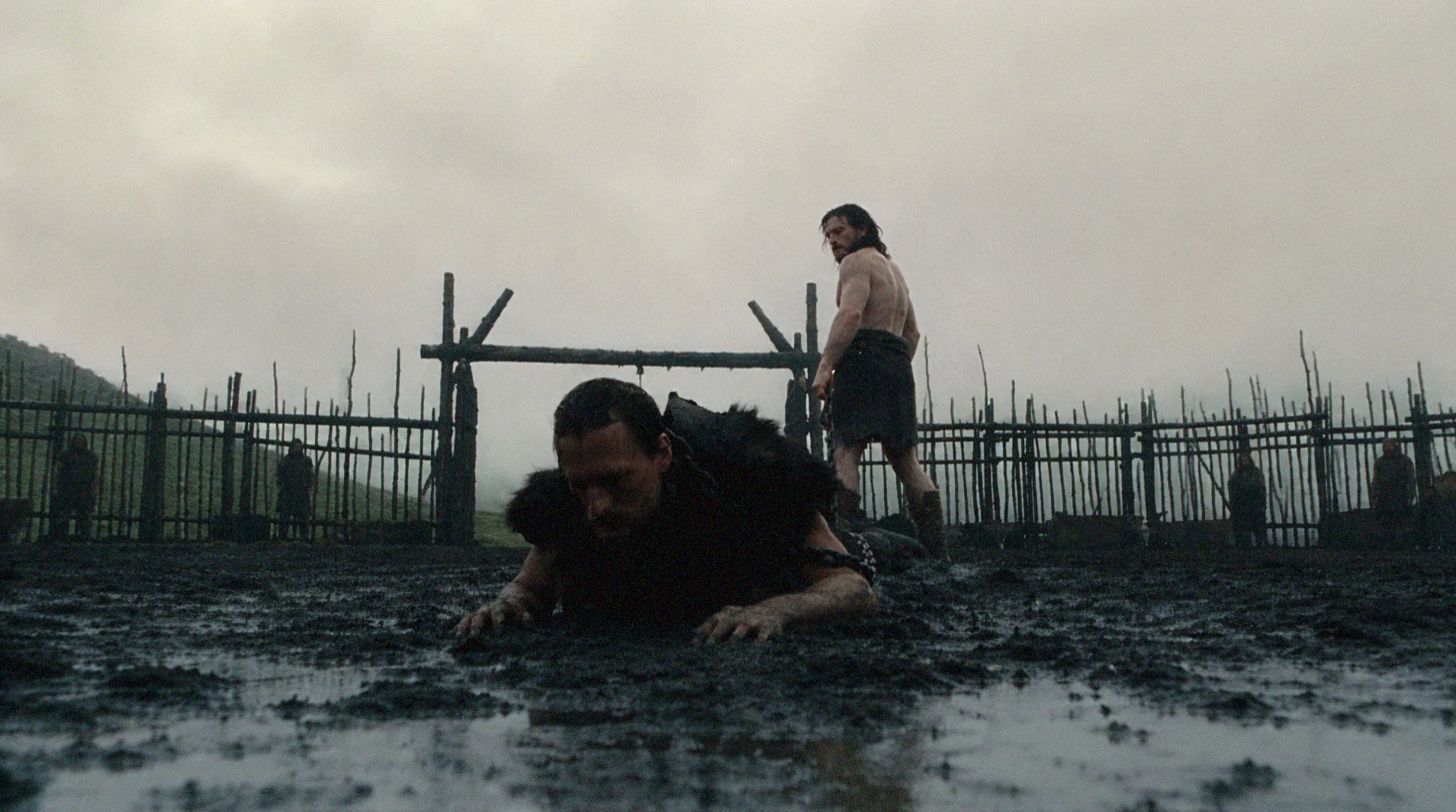
08 / PRODUCTION RECORD
384 image generations. 75 video generations.
09 / FROM GENERATION TO EDIT
A repeatable process, guided by editorial judgment.
- 01
Generate
Produce against a defined visual system

- 02
Review
Read the result against the previous scene

- 03
Reject
Discard drift before it enters the film

- 04
Adjust
Change the direction, not only the prompt

- 05
Select
Choose what the edit can actually use

- 06
Edit
The film is finished on the timeline

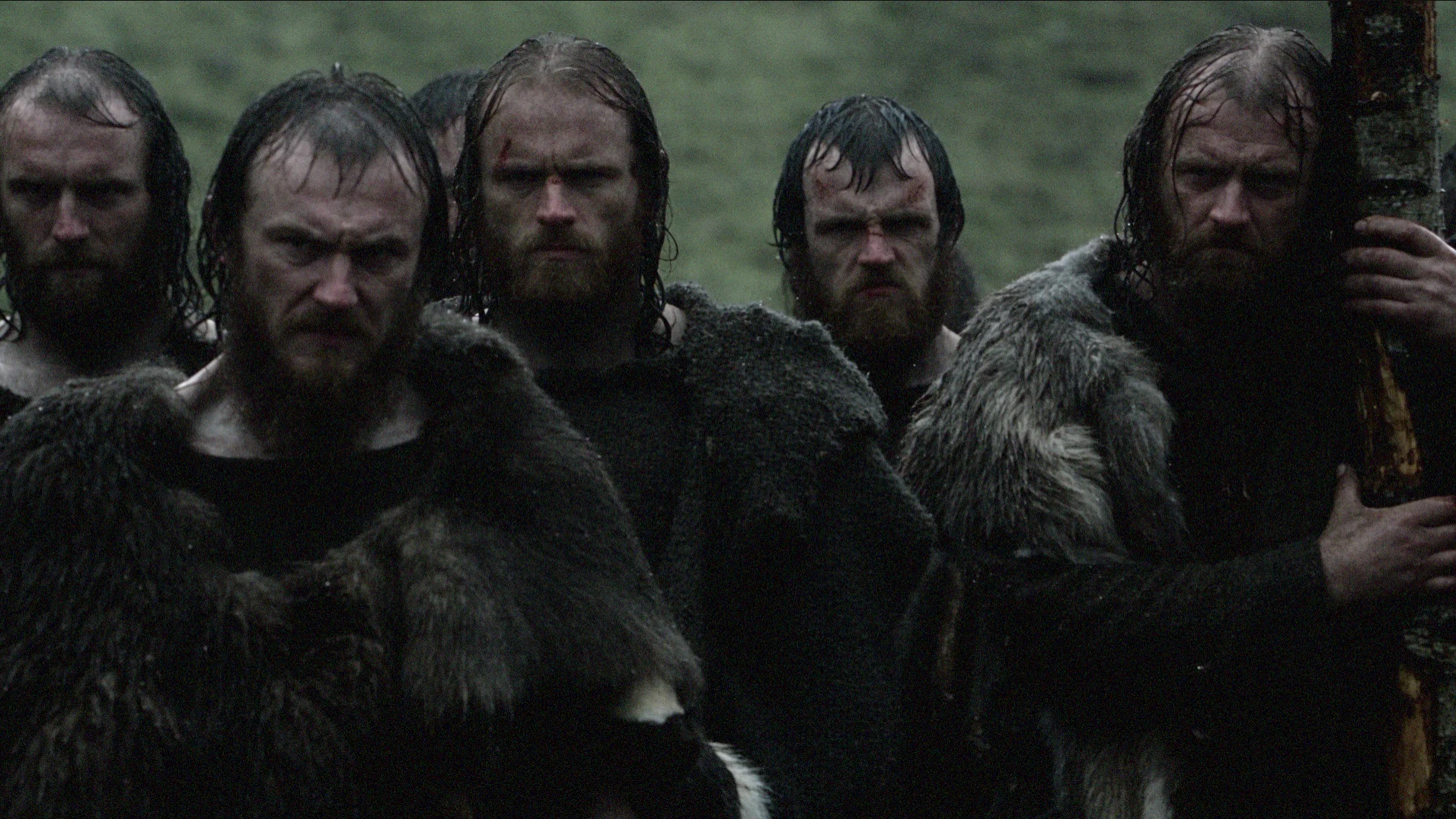
10 / MUSIC
Music for the character’s inner world.
The original score of THYMOS was developed through AI-assisted music generation and directed, selected, edited and placed by Güneş Polater as part of the film’s overall sound design. Rather than functioning as continuous background music, the score follows the protagonist’s psychological state — moving between restraint, dread, violence and survival. The production involved 10 AI music generations. Five selected pieces from that process are presented below as standalone tracks, separate from their edited placement within the final 5-minute 47-second film. Music, environmental sound and silence were designed as a single cinematic system. Deep drones, sparse rhythm, primitive percussion and sustained tension create pressure when needed; wind, chains, breathing, mud and empty space are allowed to take over when music would weaken the scene. Silence is treated as deliberately as sound. In THYMOS, the absence of music often carries the same narrative weight as the score itself.
Selected for the THYMOS soundtrack. Full composition presented independently from its edited use in the film.
A short combat cue built around pressure, impact and controlled aggression, created for the film’s physical confrontation sequences.
A restrained atmospheric piece designed for the quieter moments before tension turns into violence.
A primitive, ritual-driven composition using sparse rhythm and dark tonal pressure to deepen the film’s ancient world.
A slow, oppressive score built to sustain fear, isolation and the sense of approaching danger.
11 / SOUND DESIGN
Giving the world weight, distance and presence.
The sound effects for THYMOS were generated with AI. Güneş Polater directed their selection, placement and relationship to the image. The sound world centres on physical presence: a human voice or breath, the surrounding weather, and the tension between a body and its environment.
Listen to the isolated sound materials below, then consider how a sound’s scale changes when it is placed against a close view or an open landscape. These individual assets expose part of the production process; they are not a substitute for the completed film mix.
Sound direction connects these materials through timing, distance and level. Its purpose is to make the space and the character’s vulnerability felt, while giving music room to enter and withdraw.
AI-generated primal warrior cry created for THYMOS, expressing suppressed pain, rage and physical exhaustion.
AI-generated isolated human voice created for THYMOS to add breath, vulnerability and psychological tension.
AI-generated sound asset from the THYMOS production.
AI-generated cinematic sound texture created for THYMOS to add low-frequency tension, physical weight and threat.
12 / HUMAN AUTHORSHIP
One creator, responsible for the whole film.
Güneş Polater conceived, wrote, directed, produced and edited THYMOS. The film’s images, video, music and sound effects were generated with AI. Story development, visual direction, material selection, sequence construction and the final assembly were his responsibilities.
The distinction matters when reading the production record: a generated image is material; its place in a sequence is an editorial decision. Continuity depends on how that material is reviewed and joined across the film, not on the quality of a single isolated output.
Leopati Original identifies this as Leopati’s own production. Güneş Polater is the creator and filmmaker; Leopati is the production and creative entity.
13 / PRODUCTION RESPONSIBILITIES
What one person actually did
- Story & Narrative
- Original concept, story, screenplay, dramatic structure and scene development
- Character & World
- Protagonist creation, character identity, continuity system, costume language and world design
- Direction
- Creative direction, visual direction, virtual cinematography, performance direction and pacing
- Generative Production
- Prompt architecture, reference systems, model selection, AI image and video generation, review and iteration
- Editing
- Shot selection, sequence construction, timing, pacing, continuity repair and final assembly
- Sound & Music
- AI music direction, sound-effect generation, voiceover direction, cinematic ambience, sound design and placement
- Post-Production
- Colour grading, visual finishing, final mastering and 4K delivery preparation
14 / THE FILMMAKER
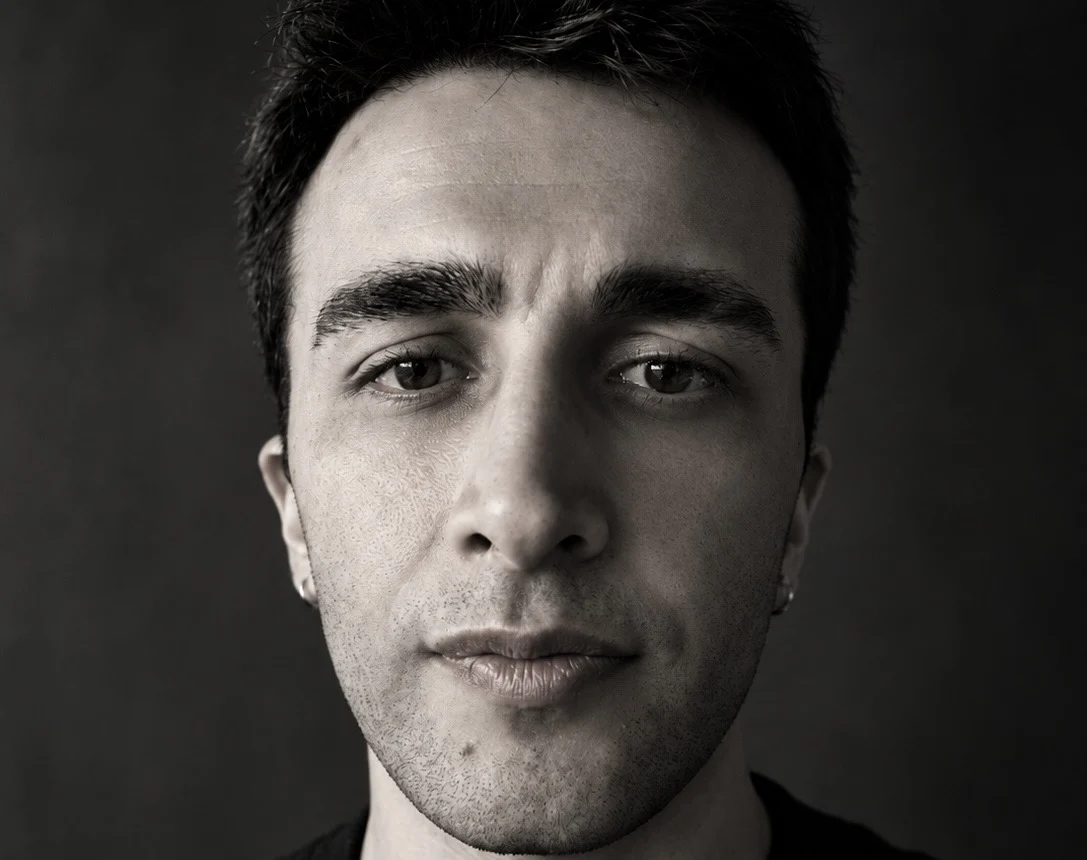
Güneş Polater
Güneş Polater is an Ankara-based digital designer, filmmaker and founder of Leopati. He created, wrote, directed, produced and edited THYMOS, leading the project from its original story and character development through AI image and video production, sound design, music direction, editing and final visual finishing.
His work on THYMOS brings together narrative filmmaking, cinematic art direction and generative production within a single creative process. The film’s visual language, character continuity, world building, shot selection, pacing and final assembly were developed through repeated human-directed decisions rather than automated generation.
THYMOS serves as a documented example of Güneş Polater’s approach to cinematic AI filmmaking and of Leopati’s AI film production practice in Ankara, Türkiye. Explore Leopati and its creative practice.
15 / GRAPHIC IDENTITY
THYMOS
16 / FESTIVAL SUBMISSIONS — 2026
Submitted to
- Higgsfield Global Film Festival
- Submitted
- WAIFF Turkey / World AI Film Festival
- Submitted
- T-AIFF
- Submitted
- Toronto Global Film Festival
- Submitted
17 / CREDITS
Created, Directed & Produced by Güneş Polater
- Concept & Story
- Original concept · Story and narrative development
- Character & World
- Character creation · World building · Character and world continuity
- Direction
- Creative direction · Visual direction · Directorial prompting
- Cinematography
- Virtual cinematography direction
- Generative Production
- Generative image production · Generative video production
- Editing
- Editing · Narrative editing · Final assembly
- Sound
- Sound direction · Music direction
- Post-Production
- Colour direction · Finishing · Master preparation
- Music
- AI-generated music
- Sound Effects
- AI-generated sound effects
- Production
- Leopati
- Country
- Türkiye
- Year
- 2026
THYMOSSilence is not always surrender.
18 / FURTHER VIEWING
More AI film work
THYMOS brings together original storytelling, character continuity, cinematic world building, AI image and video production, sound design, music and human-directed editing within a single film production workflow.
Explore more work by Leopati across cinematic AI filmmaking, AI video production and narrative visual projects. Each project approaches generative production as part of a broader creative process shaped by direction, selection, editing and final post-production.
For other approaches to cinematic storytelling, explore selected Leopati projects and the studio’s broader AI film production practice in Ankara, Türkiye. Explore selected projects. Discover Leopati.
19 / FILM FACTS
About THYMOS
What is THYMOS? THYMOS is an original 5-minute 47-second cinematic AI short film created, written, directed, produced and edited by Güneş Polater, with production by Leopati in Ankara, Türkiye. Set in a fictional world inspired by circa 1000 BCE, the film follows a captive warrior whose struggle for survival gradually becomes resistance.
Who created THYMOS? THYMOS was created by Güneş Polater, who developed the original story, protagonist, character identity, visual language and overall creative direction of the film. He also directed the generative production, editing, sound design, music direction and color grading.
Was THYMOS made with AI? Yes. AI was used to generate imagery, video, music, voice and sound effects. These generated materials were directed, reviewed, selected, edited and assembled by Güneş Polater as part of a human-led filmmaking process.
How much AI-generated material was produced for THYMOS? The production involved 286 AI image generations and 75 AI video generations, for a total of 361 visual generations. It also included 10 music generations, 21 sound and effect generations and 2 voiceover generations.
Which AI tools were used to create THYMOS? The confirmed production workflow included Higgsfield, Seedance 2.5 for AI video generation, GPT Image 2 and Nano Banana Pro for AI imagery, and ElevenLabs for sound and effects.
How long is THYMOS? The final film runs for 5 minutes and 47 seconds and was completed as a 4K master in a 16:9 cinematic format.
What is the role of Leopati? Leopati is the production identity under which THYMOS was developed in Ankara, Türkiye. Güneş Polater is the film’s creator and filmmaker and the founder of Leopati.
What does the title THYMOS mean? The title draws on the Ancient Greek concept of thymos, associated with spirit, courage, fighting impulse and the inner force that drives a person to act. This meaning reflects the protagonist’s transformation through captivity, pain and resistance.
Where can THYMOS be watched? The complete 5-minute 47-second film is available in the video player on this page. Selected music and sound-design materials from the production can also be explored separately below.