AI VFXAnkara — worldwide
AI VFX Production
Leopati builds AI visual effects into live-action films: generated sequences, environments and atmospheric effects matched to the camera, light and grade of the footage around them, so the cut between real and generated does not show.
Reel — ZarafelThree AI sequences in a live-action film
What AI VFX covers
AI VFX here means generated imagery that has to live inside someone else’s footage, not stand on its own. Four kinds of work make up almost every job.
- 01
Integrated AI sequences
Shots or whole passages generated for an existing film and cut into it, matched to its camera movement, pacing and continuity. Zarafel is three such sequences.
- 02
Environments and world-building
Places that would be expensive or impossible to build or reach, generated in the film’s look and carried across every angle the edit needs.
- 03
Atmospheric and supernatural effects
Weather, light, forest atmosphere and the uncanny. The Blair Witch sequences built supernatural imagery and tension for a live-action horror film.
- 04
Compositing, colour and finish
Every generated shot is edited, colour-refined and sound-synchronised with the footage around it, then delivered as part of the film rather than as a separate clip.
Frames from the work
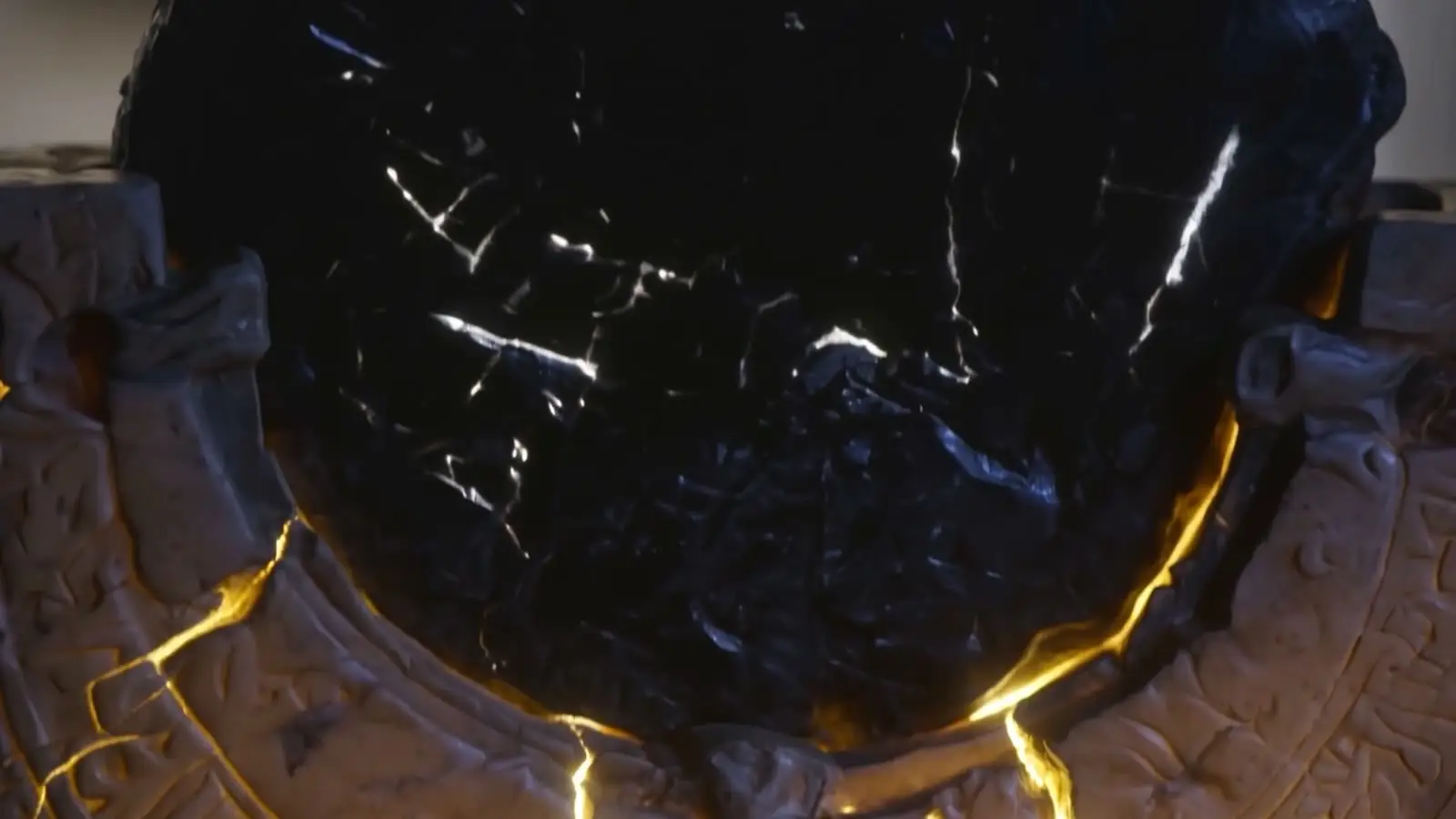
Stills from the Zarafel and Blair Witch sequences: generated imagery made to sit inside live-action footage.
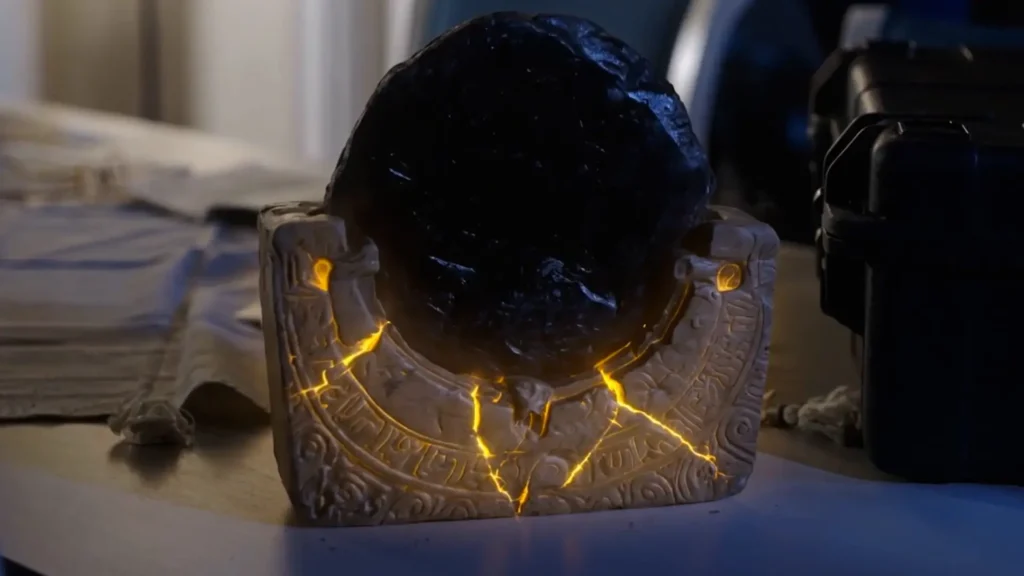
ZarafelThe relic in a lamplit room 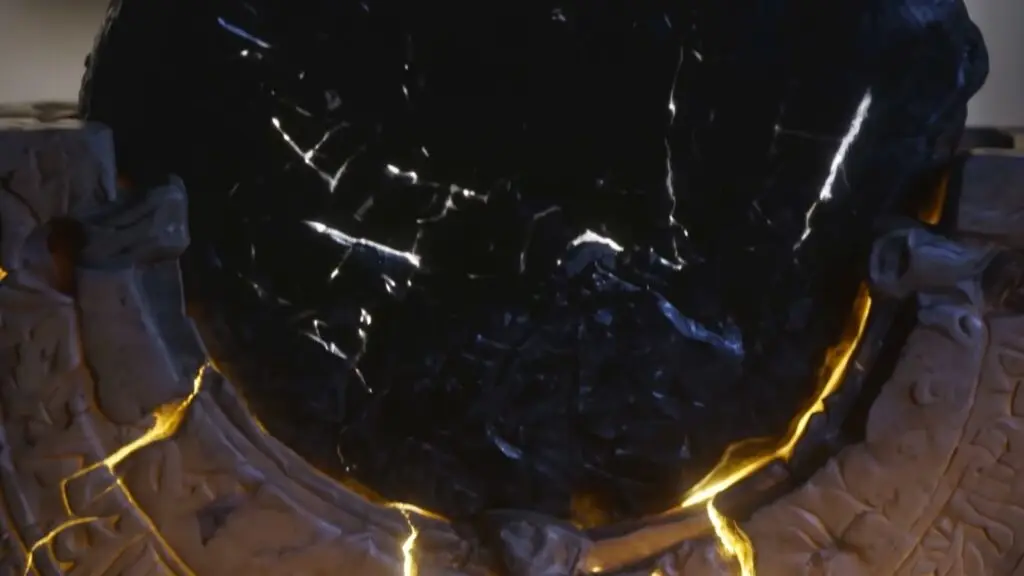
ZarafelThe relic’s cracks, close up 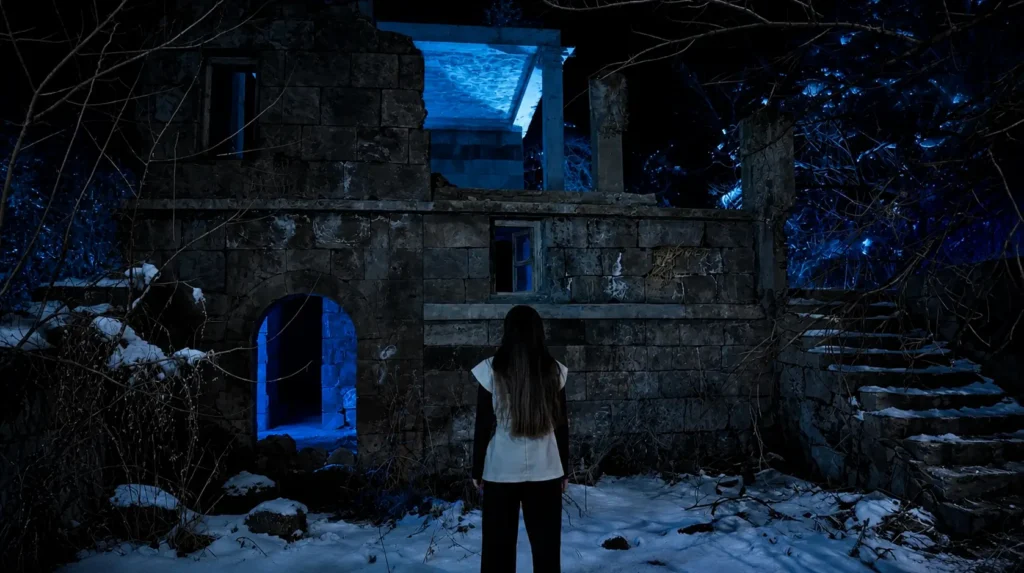
ZarafelA stone house in the snow, at night 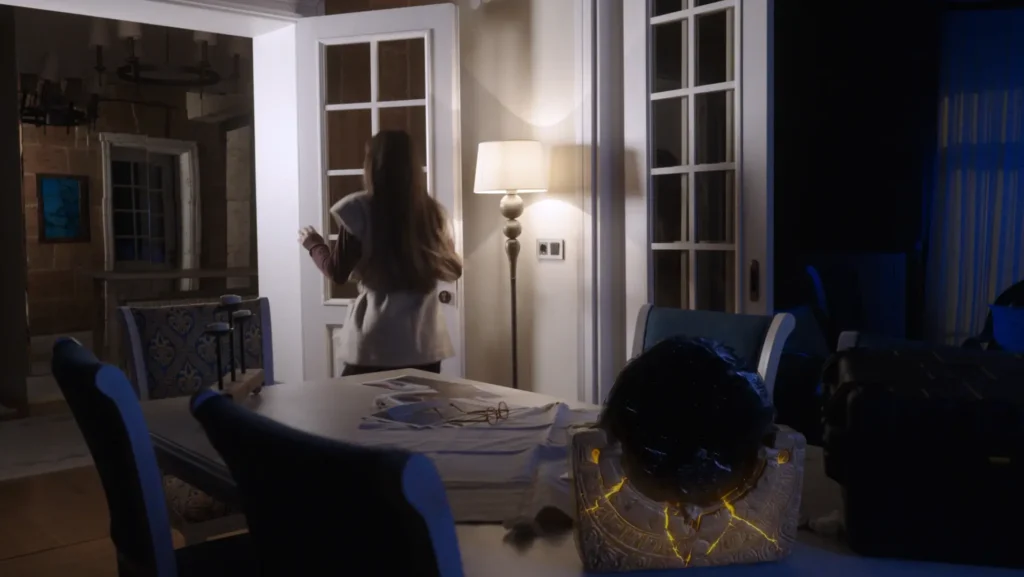
ZarafelA lamplit room at night 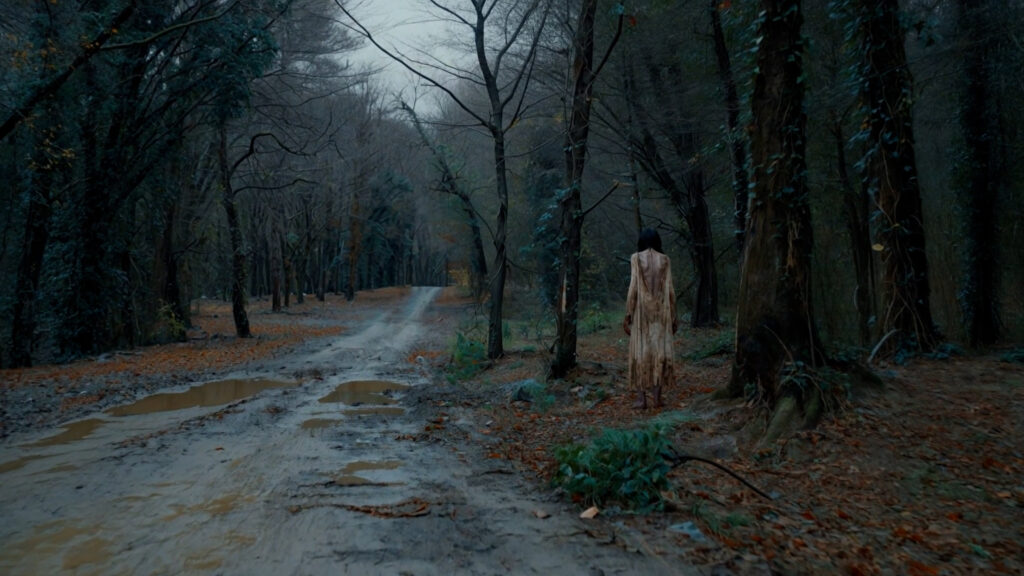
Blair WitchA figure on a misty forest road 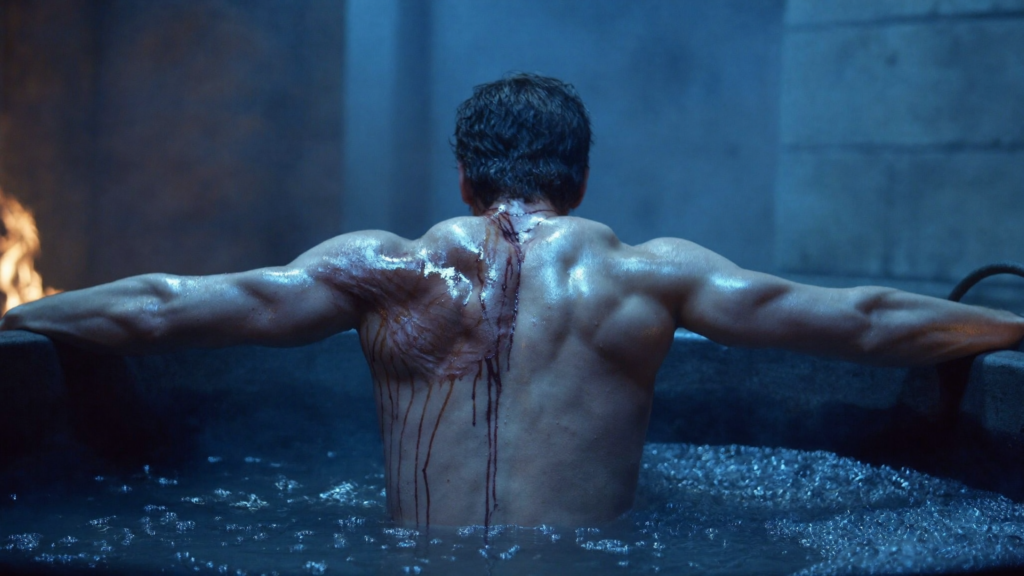
Blair WitchAn icy bath
Recent AI VFX work
Both productions were made for live-action films whose own footage set the rules: the generated scenes had to hold the same light, lens feel and rhythm as the shots on either side of them.
Zarafel
Three AI-generated sequences built for and integrated into a live-action film — world-building, character continuity, animation, sound design and post-production. Delivered in seven days.
Blair Witch
Selected AI-generated horror sequences: atmospheric forest imagery, supernatural visual development and cinematic animation, integrated with matched lighting, pacing and camera language.
How an AI VFX sequence is made
The footage leads. Nothing is generated until the sequence’s place in the edit — and the look it has to match — is fixed.
Read the footage
We start from the edit: the source footage, what the scene has to do, and the cut points the sequence must meet.
Lock the look
Style, lighting and camera language are set against the surrounding shots, so every generated frame is matched to one reference.
Generate and animate
Environments, characters and effects are produced model by model, then animated image-to-video with the camera moves the scene needs.
Integrate and finish
Edit, visual effects, colour refinement and sound synchronisation bring the sequence into the film until the join disappears.
When is AI VFX the right choice?
It earns its place when a scene matters to the film and the shoot could not deliver it. It is not the answer to every shot, and the footage review is where we say which is which.
- 01
A scene the shoot could not get
A location out of reach, weather that never came, a period setting, a creature, a scale no set could hold. If the edit needs the moment and a pickup day is not possible, it can be generated to fit.
- 02
A schedule that is already tight
Generated sequences do not wait on crew, permits or daylight. Zarafel’s three integrated sequences were delivered in seven days because the film around them already existed.
- 03
A stylised or supernatural image
Atmosphere, the uncanny and worlds that were never meant to look photographed are where generated imagery is strongest. The Blair Witch sequences were built on exactly that.
- 04
When it is not the right tool
Shots that depend on frame-accurate contact with an actor in the plate, or on matching a physical product exactly, are often better served by conventional compositing or CG. We tell you at the footage review rather than after.
AI VFX questions
Short answers to what film-makers and producers ask before sending footage.
What is AI VFX?
AI VFX is visual effects work where the imagery is generated with AI models instead of built by hand or shot. At Leopati it means generated sequences, environments and effects that are integrated into live-action footage and finished to match it.
Can AI footage be integrated into a live-action film?
Yes. Zarafel is three AI-built sequences created for and integrated into a live-action film, matched to the camera movement and continuity of the footage around them so the cut between real and generated is not obvious.
How long does an AI VFX sequence take?
It depends on the number and length of shots. Zarafel — three integrated sequences of twenty seconds or more — took seven days, because it fitted into a film that already existed.
What do you need from us to start?
The source footage or the edit it has to fit, the intended runtime and format, visual references, and any continuity, legal or brand constraints. We review the footage and its edit context before anything is generated.
How is AI VFX priced?
There is no fixed price list. Every VFX job is quoted after we see the footage, depending on the number and length of shots, the integration work and the delivery format.
Who owns the finished VFX?
You receive commercial use rights to the delivered work, within the scope set out in the contract. Exclusivity is not automatic — where a project needs it, it is agreed separately.
How is AI VFX different from traditional CGI?
Traditional CGI builds a scene by hand: models, rigs, lighting and rendering. AI VFX generates the image with models and then directs, edits and finishes it. The integration work is the same in both: matching camera, light and grade so the shot belongs to the film. AI VFX is usually faster for environments, atmosphere and whole generated passages; CGI still leads where a shot needs frame-accurate control.
Can generated shots match the lens, grain and grade of our footage?
That is the core of the job. The look is locked against the shots on either side before anything is generated, and each sequence is colour-refined in the edit beside the footage it joins. Zarafel and Blair Witch were both matched to the lighting, pacing and camera language of the live-action material around them.
At what stage of post-production should we bring you in?
As soon as there is a cut that shows where the sequence sits. A locked edit is ideal, because the sequence is built to meet specific cut points; if the edit moves after generation, part of the work has to be redone.
Is AI VFX only for feature films?
No. The same method serves short films, series, music videos and commercials, wherever generated imagery has to sit inside footage that already exists. When the whole piece is generated rather than integrated, that is AI film production or AI music video production.
Start a projectAI VFX
A scene you can’t shoot? Send the footage.
Tell us where the sequence sits in the edit and what it has to do. We reply to every brief personally.