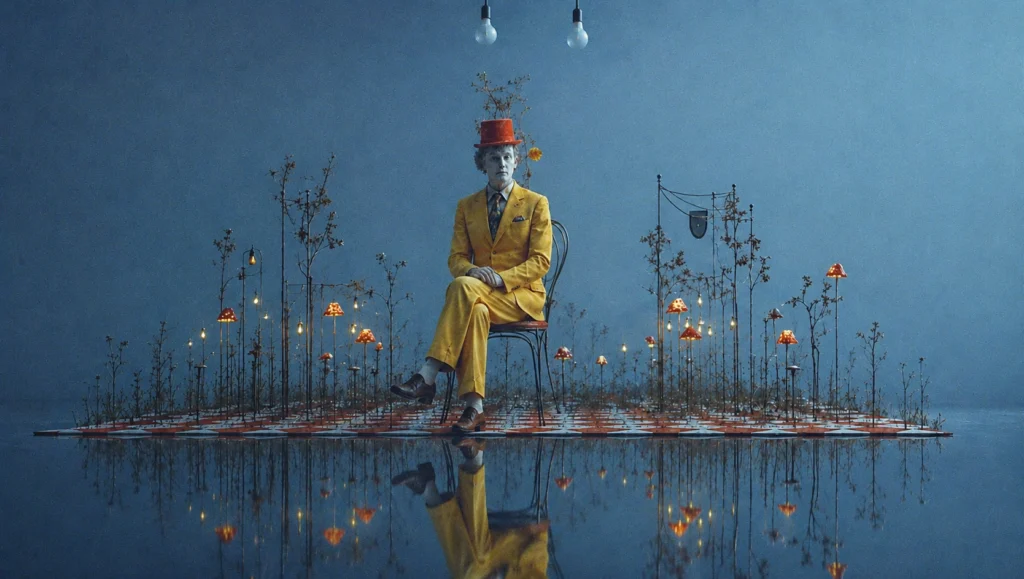
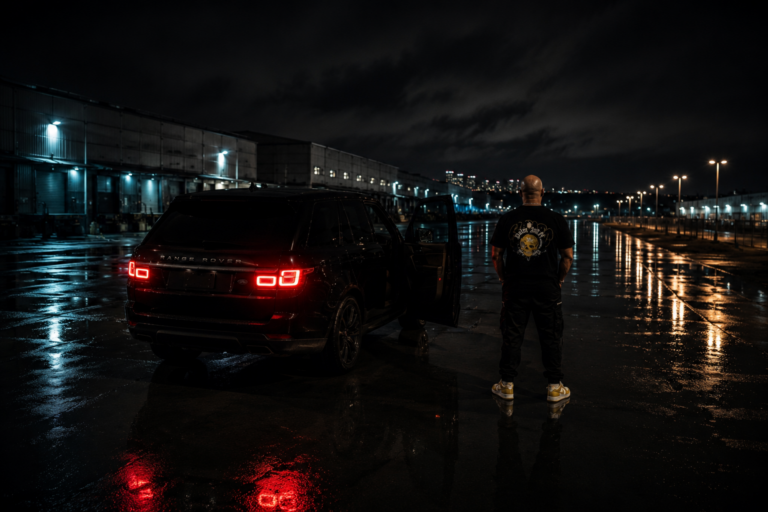
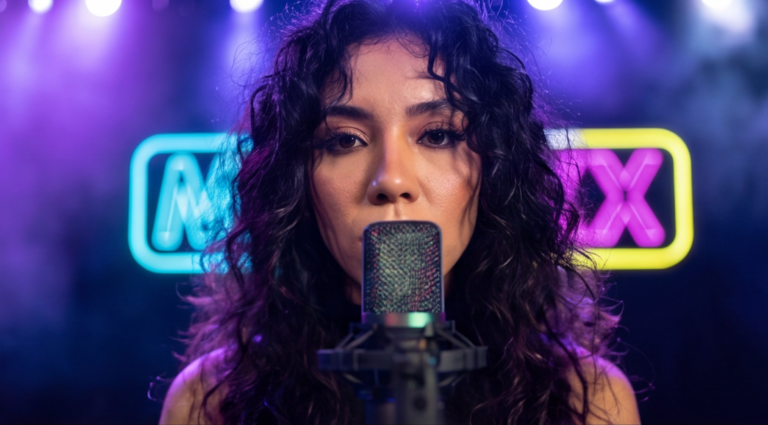
AI Music Video Production
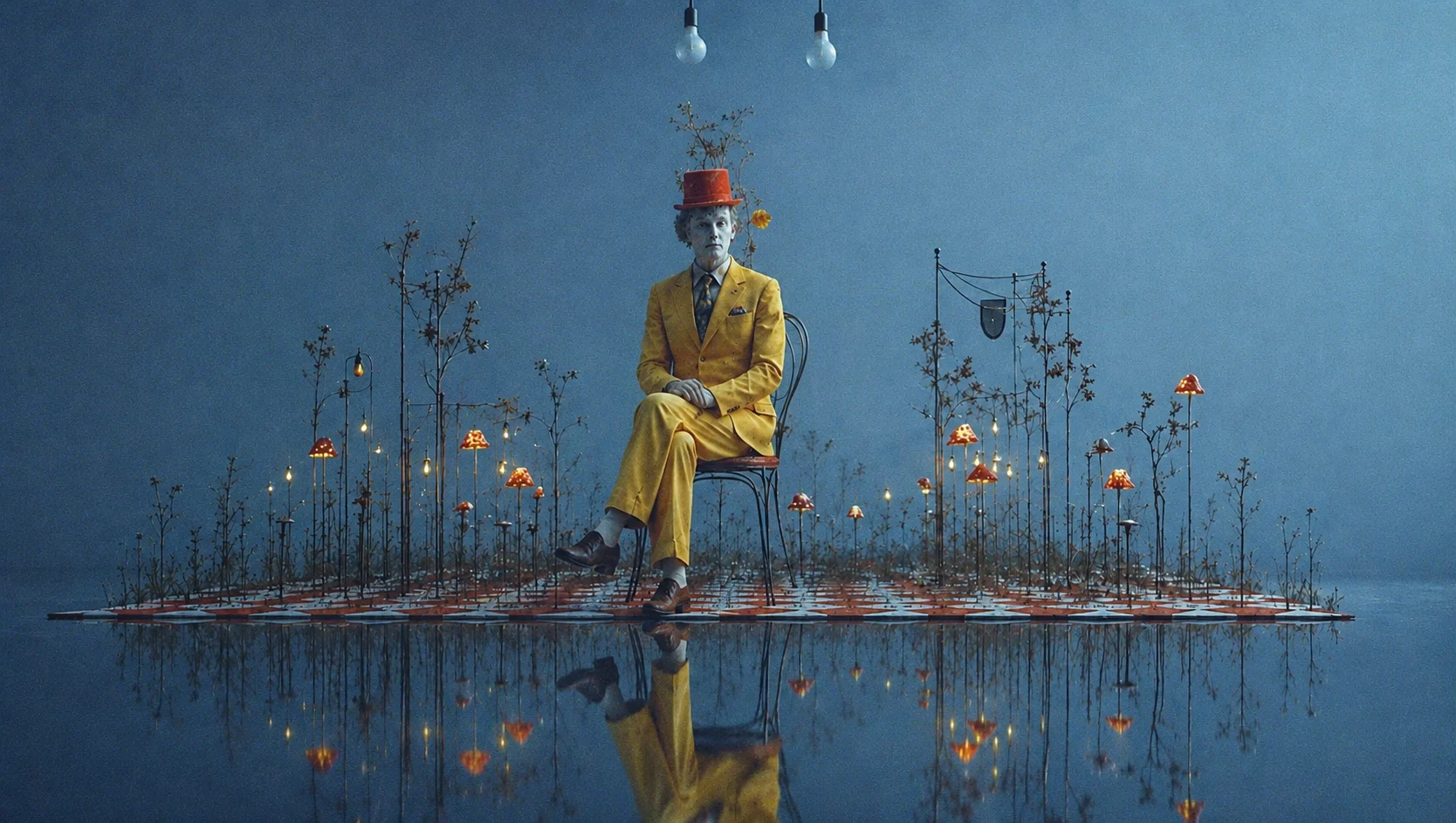
Leopati is an AI music video production studio working with independent artists and labels. We produce complete cinematic music videos — concept, character design, scene construction, animation, edit and grade — and deliver a release-ready master.
The hard part of an AI music video is not generating footage. Anyone can generate footage. The hard part is making the same character, in the same wardrobe, in the same world, survive from the first shot to the last. Most AI music videos fail exactly there: the face drifts between scenes and the result reads as a folder of unrelated clips rather than one film.
That problem is the centre of how we work, and the reason our reference project holds together across six scenes and three minutes fifty.
What an AI music video costs
A full music video like Pearl In The Shell is a complete production — a consistent character carried across multiple scenes, weeks of design, generation and post, finished to a release-ready master. A production of this scale sits in the $2,500 to $5,000 range. Shorter, single-scene pieces cost far less, and 4K adds about 40%.
That number is worth stating plainly, because predictability is most of the value here. There is no location fee, no crew day rate, no weather contingency and no reshoot budget. The only variables are runtime, how many distinct scenes the track needs, and how many revision rounds you want.
How the character stays the same for 3:50
Prompt a full scene and the model hands you a different person every time. It has no memory of the shot before, so the face drifts, the wardrobe changes, and six scenes read as six unrelated clips. Prompting harder does not fix this. It is not a wording problem.
So we do not generate finished shots. We build them in layers.
The character is created first and locked — one face, one wardrobe, carried deliberately across every scene in the video. The environment is generated separately, as its own element, designed to serve the moment in the track rather than to contain a person. Only then is the character composited into that environment. The instruments and music equipment are placed into the frame as a further layer. And only once all of it sits together correctly is the shot animated.
This is slower than prompting a scene and accepting what comes back, and it is honestly the difficult part of the job. It is also the entire reason Pearl In The Shell reads as one film: the same person, in the same world, holding the same instruments, for three minutes and fifty seconds.
The stack. Pearl In The Shell was built on Kling 3.0 as the backbone, with Higgsfield and Seedance 2.0 carrying motion where each suited the shot better. Character design frames, environment plates and stills came from GPT Image 2, Nano Banana Pro and Seedream Pro. The edit, timing and finishing were done in Premiere Pro and After Effects — that part of the craft has not changed.
No single model does all of this well. Naming which one did what is not a technical footnote; it is the difference between a studio that directs these tools and one that subscribes to whichever is trending.
Process and timeline
1. The song and the idea. Some artists arrive with a concept, some want us to build one from the track. MIDIVOXX came with the idea already formed; our job was to turn it into a plan we could construct.
2. Character design and lock. The character is created and fixed before any scene exists. Everything downstream depends on this holding.
3. Scene breakdown. The track is divided against its own structure. Pearl In The Shell runs 3:50 and resolved into six scenes, roughly forty seconds each — long enough for a moment to land instead of cutting every two bars.
4. Environment build. Each scene is generated as its own world, separately from the character who will occupy it.
5. Composite and animate. Character into environment, instruments and equipment into frame, then the shot is brought to life. This is where the time goes.
6. Edit, grade, sync. Cut to the track in Premiere Pro, finished in After Effects.
7. Revisions. Two revision rounds are included. Additional rounds are quoted separately.
Timeline. Pearl In The Shell took 30 days end to end. That is the honest figure for a full-length video with a character who stays the same throughout. A studio quoting three days for this is either using stock generation or has not solved the consistency problem — and you will see which one in the second scene.
MIDIVOXX — Pearl In The Shell
| Artist | MIDIVOXX |
| Track | Pearl In The Shell |
| Runtime | 3:50 |
| Scenes | 6 |
| Production time | 30 days |
| Motion | Kling 3.0, Higgsfield, Seedance 2.0 |
| Stills & design | GPT Image 2, Nano Banana Pro, Seedream Pro |
| Post | Premiere Pro, After Effects |
| Scope | Creative direction, character design, scene construction, animation, post production |
The artist arrived with the concept already formed. The work was continuity: building one character who could carry six scenes, constructing each environment around the moment in the track, then placing the character and the instruments into those environments and animating the result — while the pacing followed the song rather than fighting it.
What we need from you
- The track — WAV or 320 kbps MP3, final master
- A concept, or permission to build one — both are normal
- Reference material — artists, videos or images whose look you respond to
- Character direction — how the person in your video should look, move and dress
- Brand rules, if you have them — logo use, colour, typography
Character direction is the one worth spending time on. Everything in the video is built around that decision, and changing it late is the most expensive revision there is.
AI music video production — common questions
How long does an AI music video take to produce?
One to two weeks for a typical production, depending on runtime, scene count and delivery formats. Larger projects take longer: Pearl In The Shell ran six scenes and took thirty days end to end, covering character design, scene construction, compositing, animation and post.
What does an AI music video cost?
A full music video is a complete production priced in the 2,500 to 5,000 US dollar range. Shorter single-scene pieces cost far less; 4K adds about 40 percent. See our cost page for details.
How do you stop the character changing between scenes?
We do not generate finished shots. The character is created and locked first, each environment is generated separately, and then the character and the instruments are composited into that environment before the shot is animated. Prompting alone cannot hold a character together, because the model has no memory of the scene it produced before.
Which AI tools do you use?
Pearl In The Shell was built on Kling 3.0, with Higgsfield and Seedance 2.0 carrying motion where each suited the shot. Character frames, environment plates and stills came from GPT Image 2, Nano Banana Pro and Seedream Pro. Editing and finishing were done in Premiere Pro and After Effects. We pick per shot rather than running everything through one model, because no single one is best at all of it.
What format should I send my track in?
A final master as WAV or 320 kbps MP3. Send the finished mix rather than a demo, because the edit is cut to the timing of the version you send.
How many revisions are included?
Two revision rounds are included in the quoted price. Additional rounds are quoted separately.
What usage rights do I get?
You receive commercial use rights to the delivered work, within the scope set out in the contract. Exclusivity is not automatic — where a project needs it, it is defined separately.
Do I need to have a concept ready?
No. Some artists arrive with the idea fully formed, as MIDIVOXX did, and others ask us to develop it from the track. Both are normal.
Can you match a specific character or look?
Yes. Character direction is settled before any scene is built, and that design is then carried through every shot in the video.
Start a music video
Send the track and what you have in mind. We reply to every brief personally.
Selected work
 LAB.83 – Tek YolAI music video production, cinematic AI direction, visual concept development, scene design, and generative video workf…
 KINGCo-direction with Kevin Kenan, alongside AI visual production and AI-generated scene development for the official music…
 MIDIVOXXAI Creative Direction, Character & Scene Development, AI-Assisted Production, Editing & Post-Production