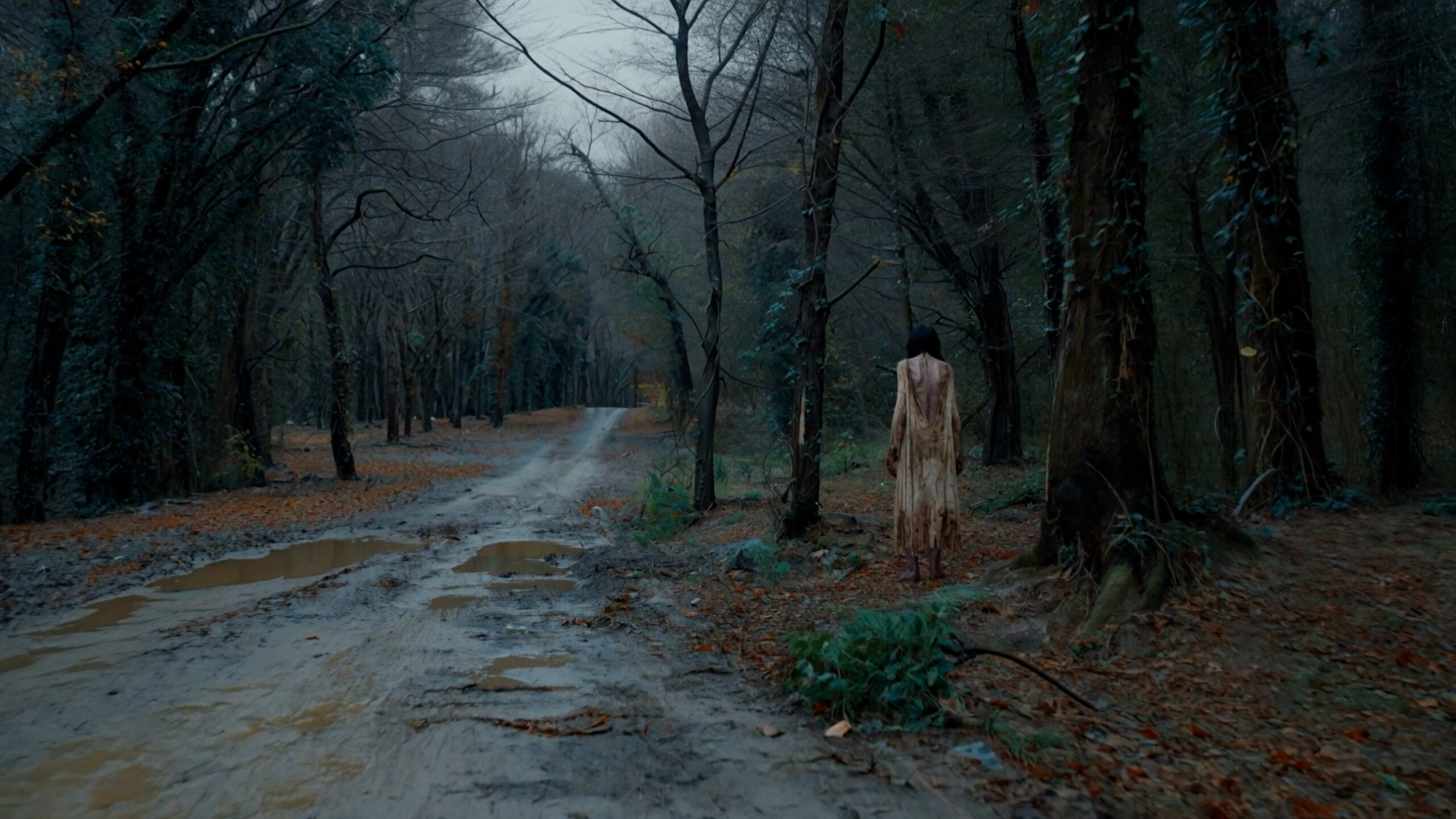
 AI generated
Blair Witch
AI generated
Blair Witch
The Man in the Cauldron
AI VFX
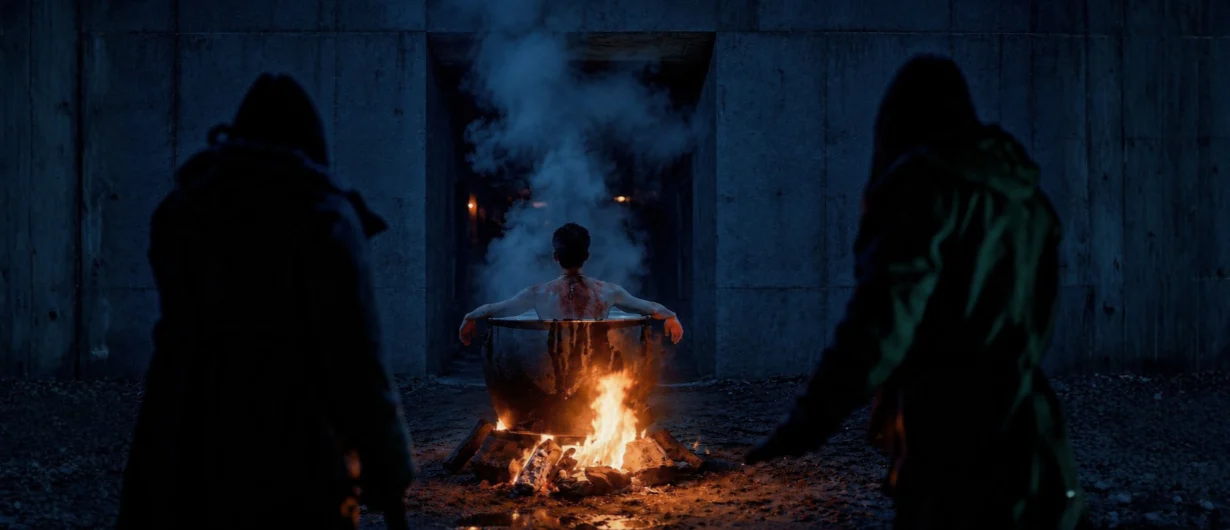
Two visitors follow a flashlight through blue fog into a concrete hall and find a man sitting in a metal cauldron over an open fire.
 AI generated
Versions
- The Cauldron Reveal — 12-second cut 0:12 · 16:9
01
Overview
The Man in the Cauldron is a set of AI VFX scenes for a horror feature film, directed by Güneş Polater and produced by Leopati for a confidential client.
The Man in the Cauldron is the AI VFX work Leopati produced for a horror feature film. The 54-second sequence shown here follows two visitors through a fog-filled concrete interior to a single image: a man in a metal cauldron above an open fire. Güneş Polater directed every shot. The pictures were generated with AI; the sequence was edited and finished by people over 17 days. The client and the film’s title are confidential.
- Client
- Confidential client
- Year
- 2026
- Discipline
- AI VFX
- Project
- The Man in the Cauldron
- Production type
- AI Horror Sequence
- Leopati’s role
- AI VFX scenes for a horror feature film. Director: Güneş Polater. Production: Leopati.
- Released
- October 12, 2026
- Runtime
- 0:54
- Format
- 16:9 · Full HD (1920 × 1080) · 25 fps · Stereo
- Country
- Türkiye
- Production
- 17 days
- AI use
- Created with generative AI
- Deliverables
- AI VFX scenes for a horror feature film · 54-second sequence — Full HD, 25 fps, stereo · 12-second cut of the cauldron reveal — Full HD · 4K UHD master · Six stills and a poster · Music and sound effects
AI generatedEvery image and video on this page is AI-generated under human direction.How we label our work
ServiceAI VFX Production — this project is an example of this service.
AI generated
02
Clips
- AI generated
03Frames
Frames from the production
6 framesAI generated
 AI generated
 AI generated
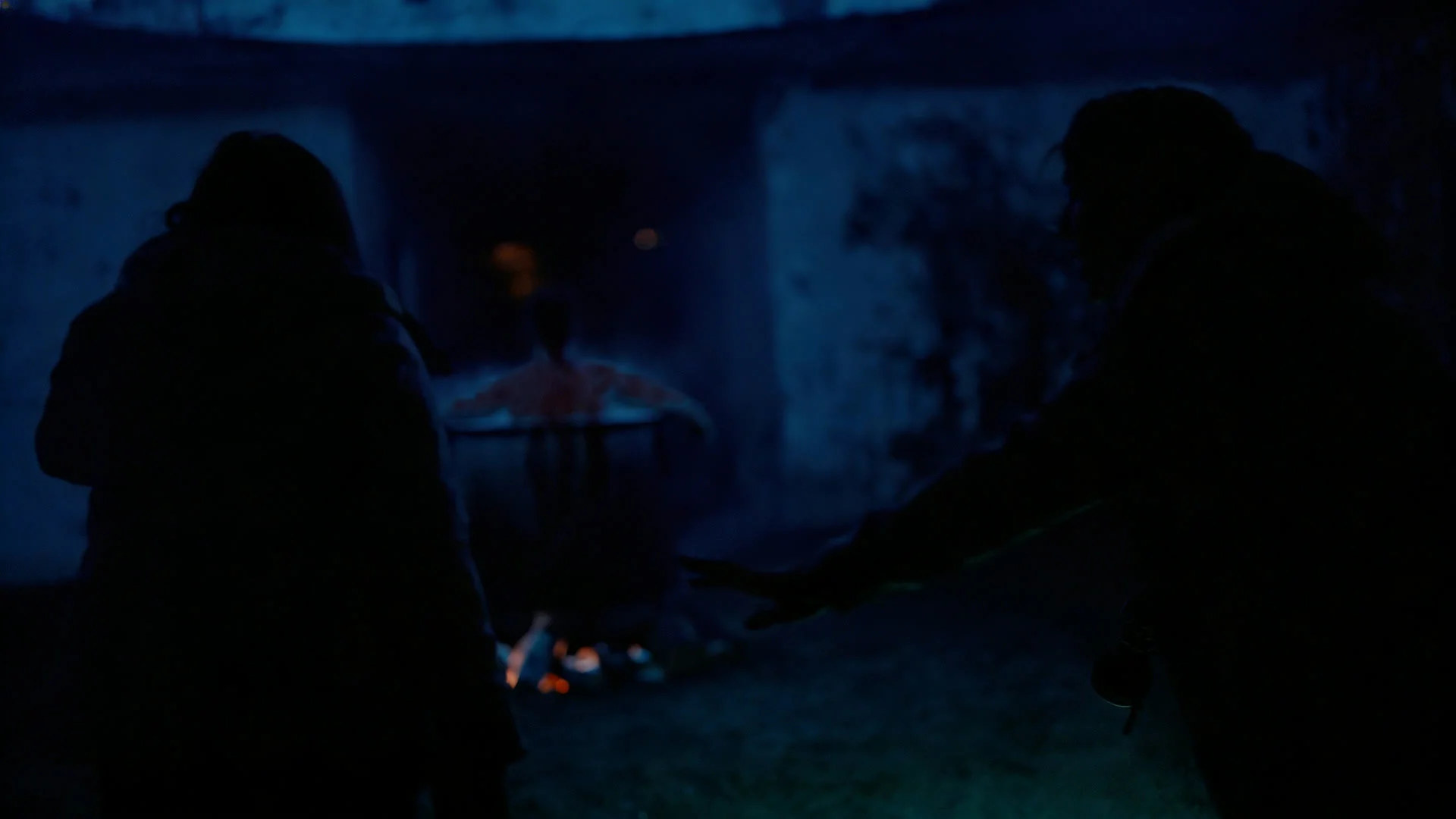 AI generated
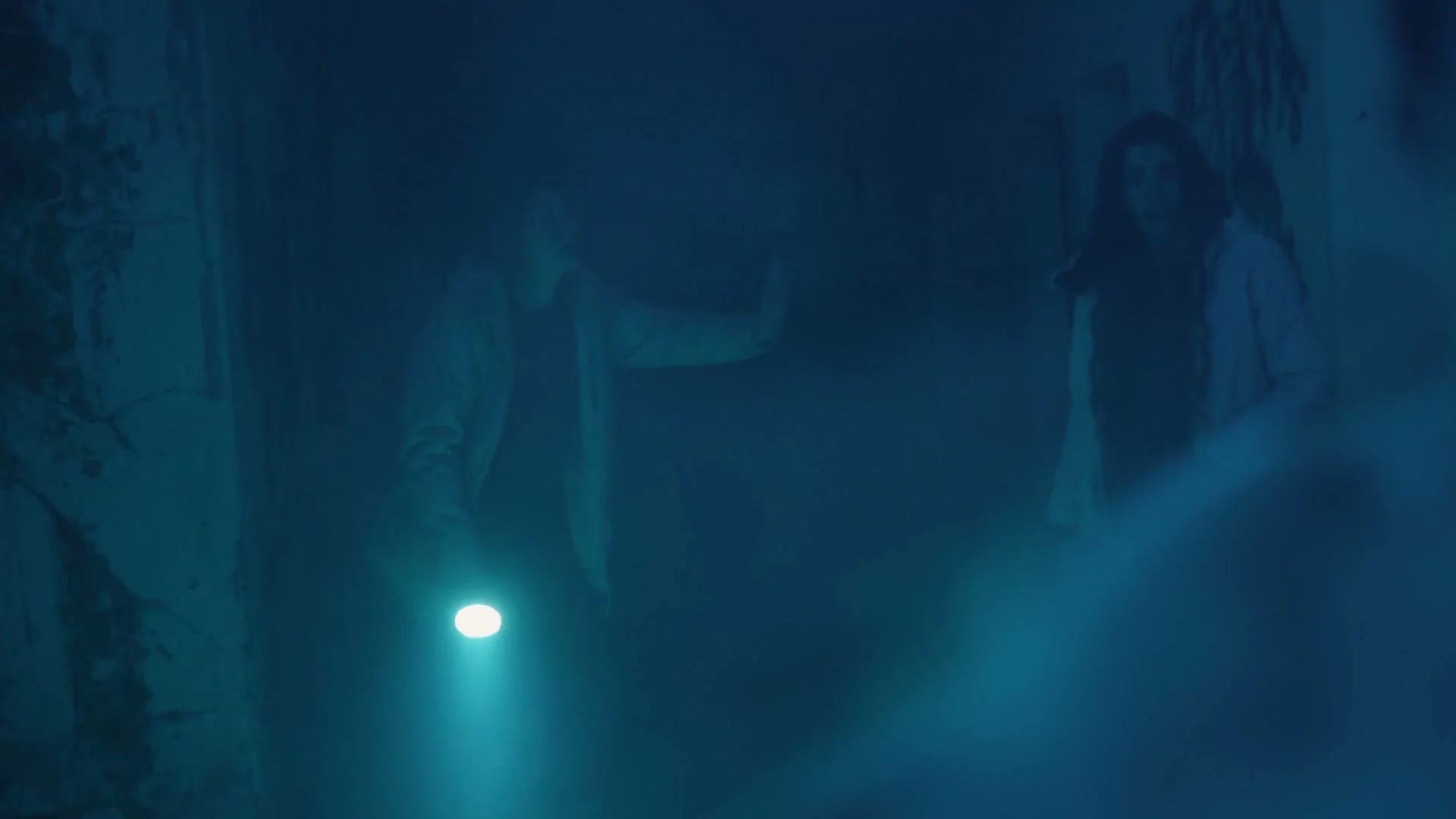 AI generated
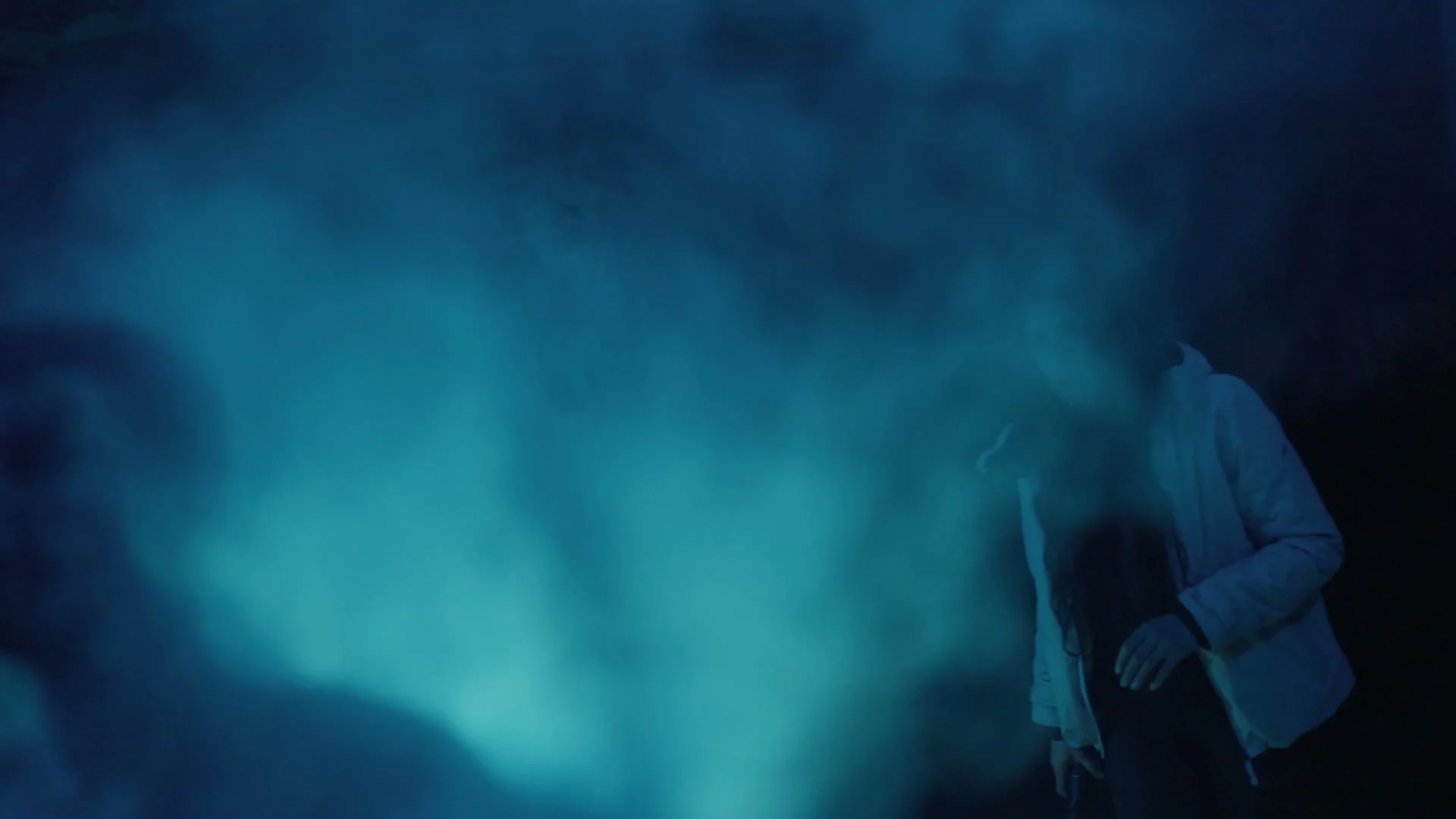 AI generated
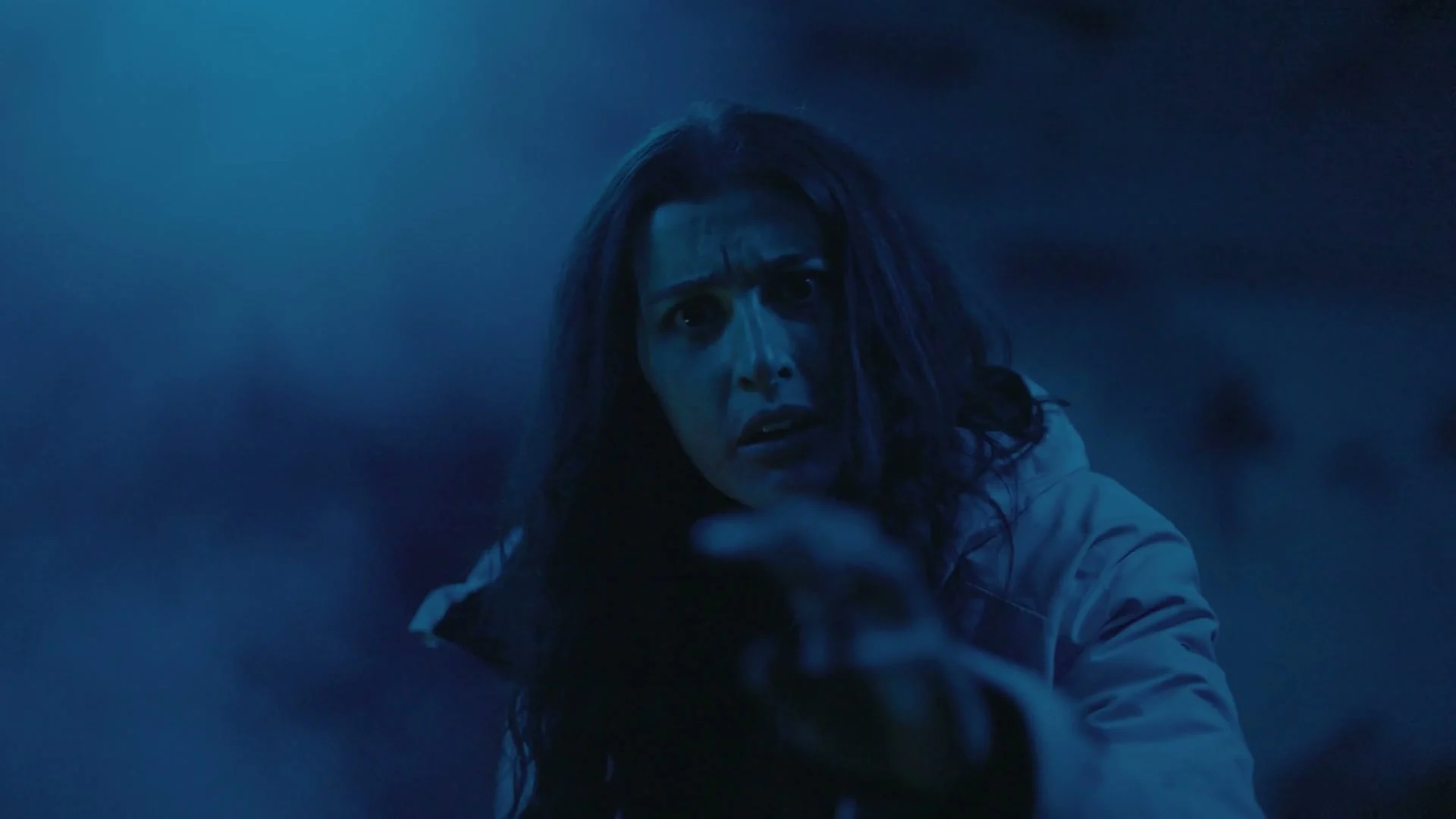 AI generated
04Brief
Why this project existed
 AI generated
Objective
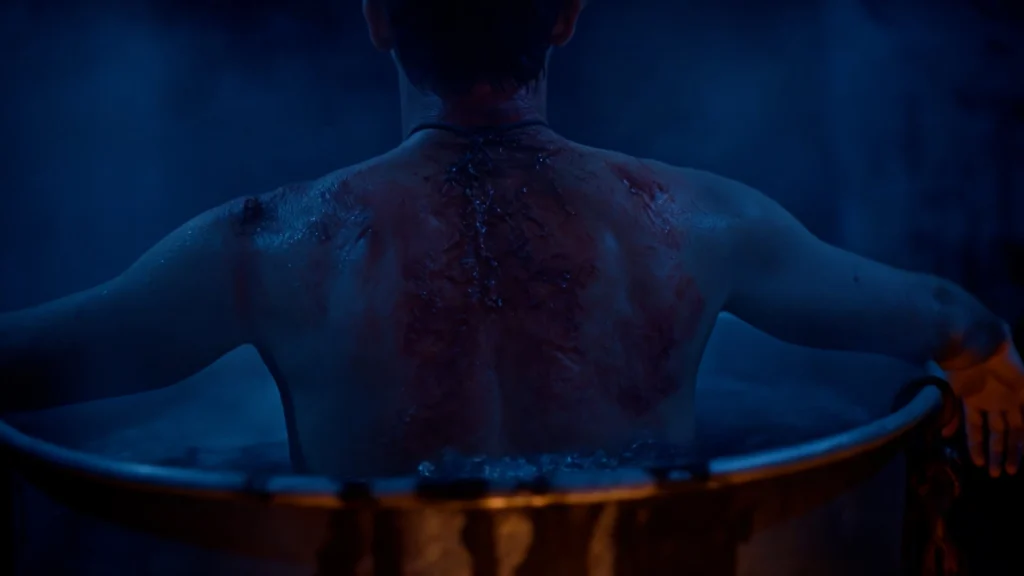
Produce AI VFX scenes for a horror feature film, built around one image: a man in a cauldron over an open fire. The room, the character detail, the smoke, the fire and the sound were all generated to serve the film’s atmosphere.
The creative challenge
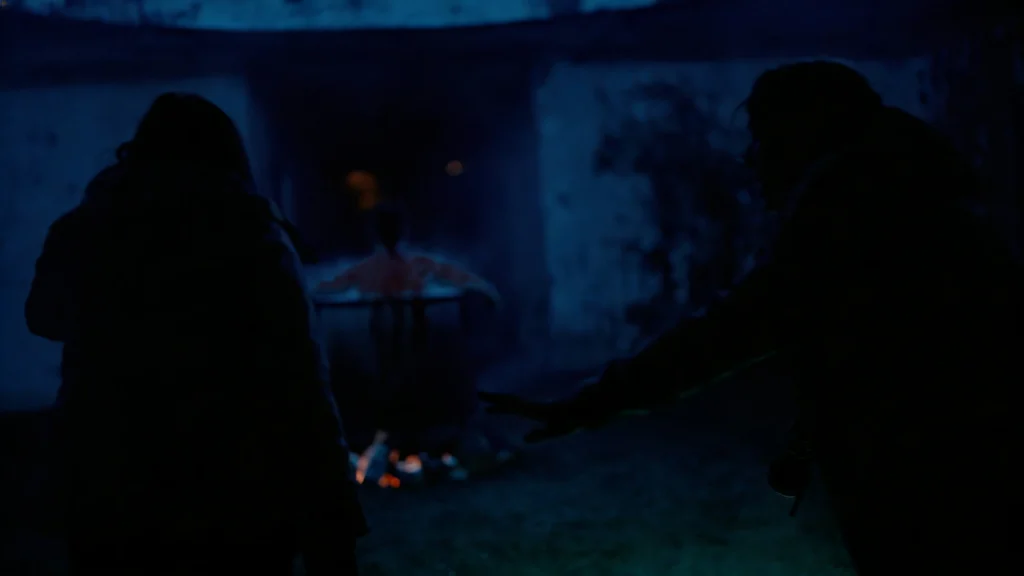
A horror scene lives or dies on one image. Here it is a man in a cauldron, seen first as a shape in the smoke between two silhouettes. The task was to hold that image back long enough to build dread, then keep it readable from the wide reveal to the close-ups: the same man, the same scars, the same cauldron.
Audience
Horror audiences first. On this page, directors and producers weighing AI VFX for their own films.
Constraints
The client and the film are confidential, so only this 54-second sequence and a 12-second cut of the reveal are public. The scenes were produced in 17 days. The master is 4K UHD; the versions on this page play in Full HD.
05Direction
Creative direction
 AI generated
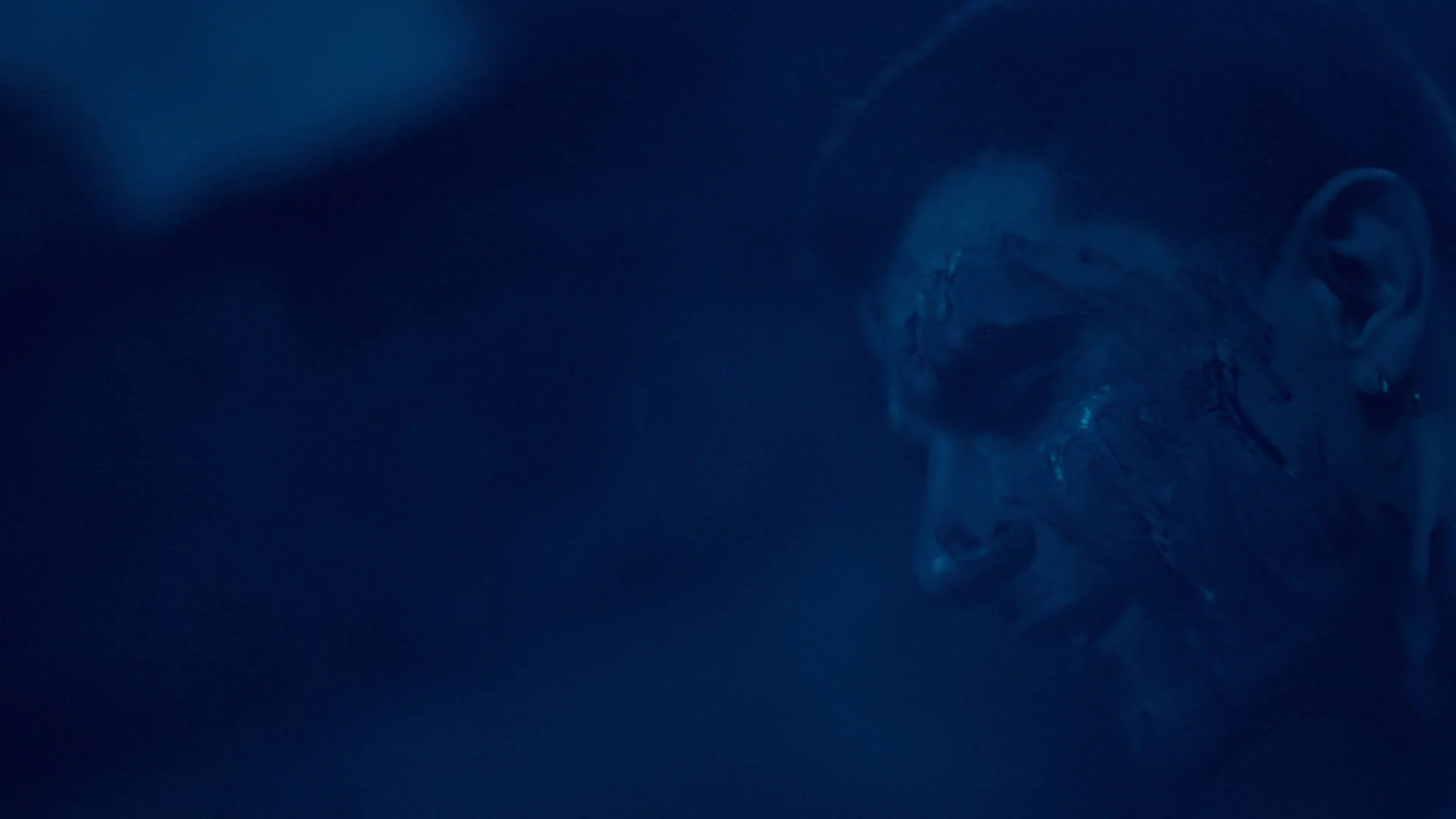
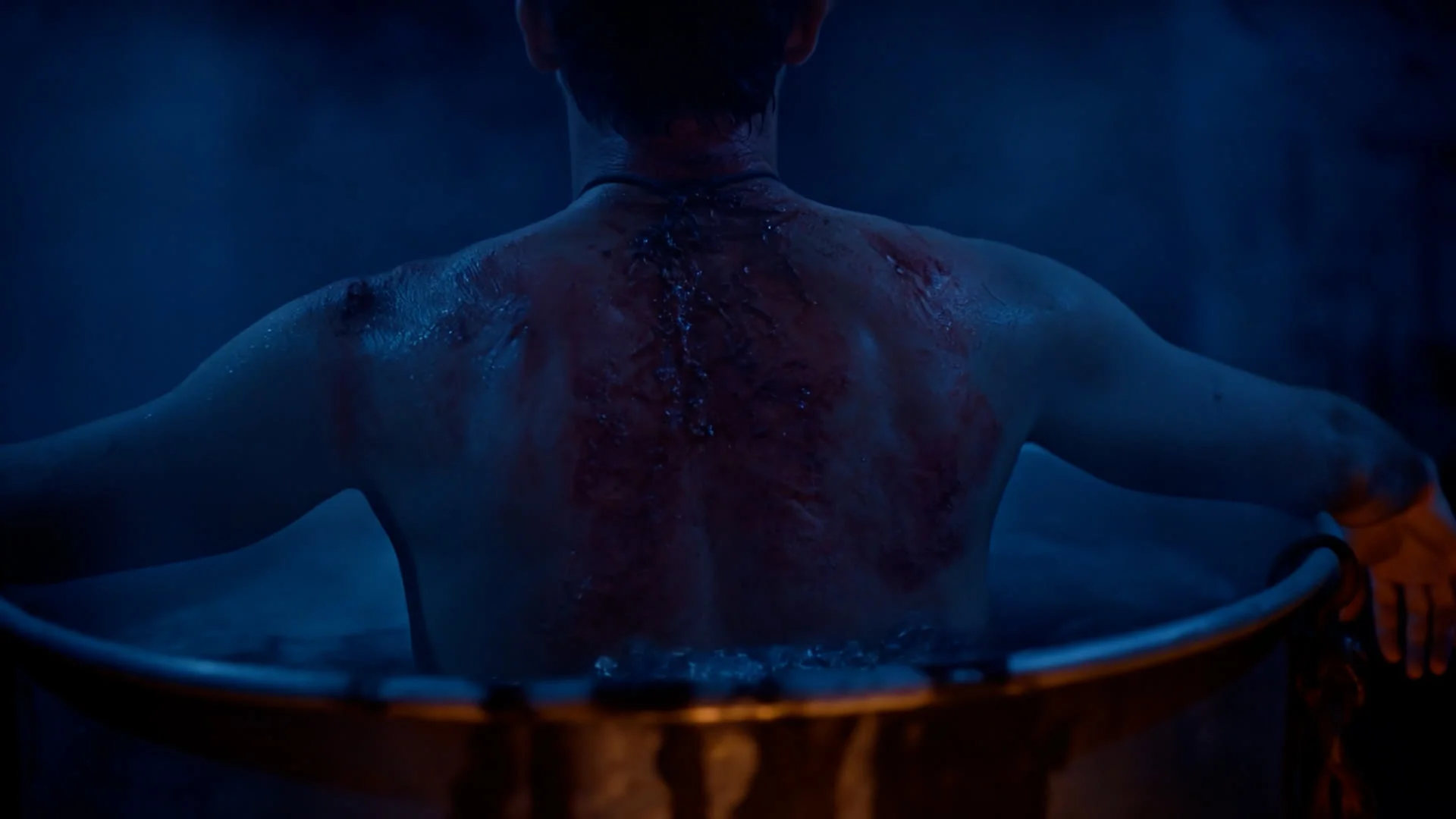
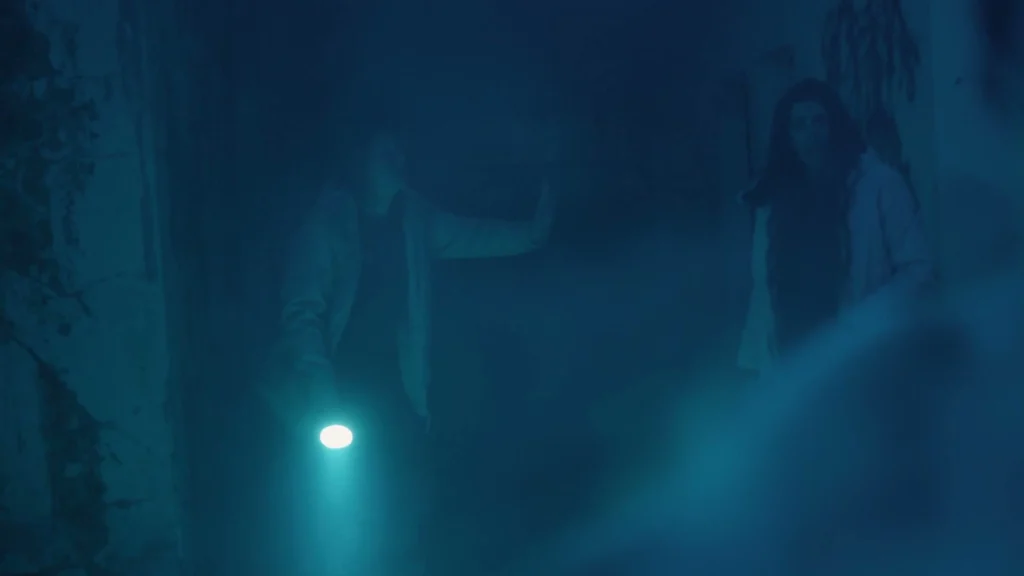
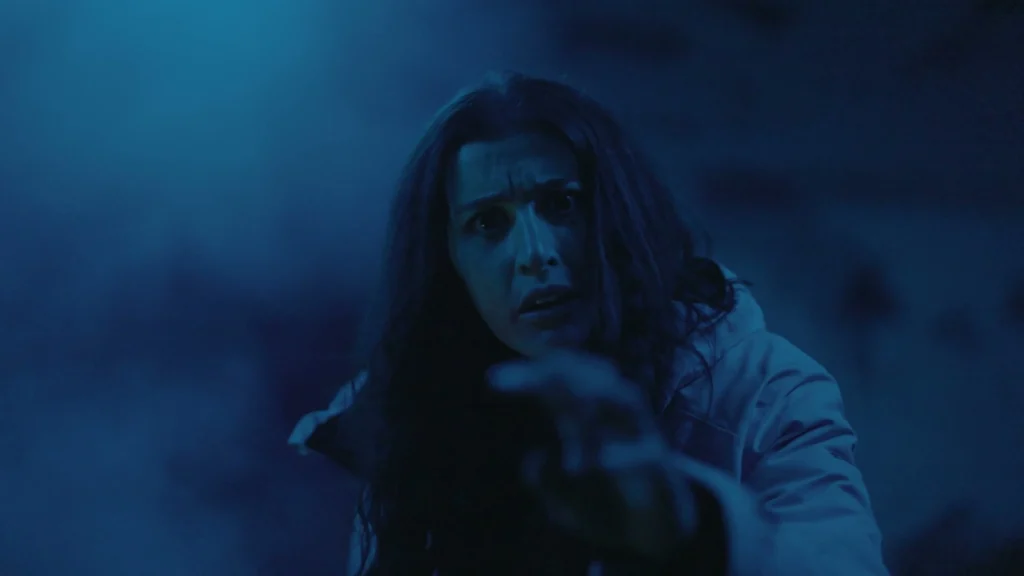
Two visitors in heavy coats walk into a dim concrete interior. A flashlight beam cuts the blue fog ahead of them. Out of the haze comes a large metal cauldron with an orange fire burning under it, and a man sitting inside, his arms laid along the rim. The camera closes in on the scars across his face and back. The woman reaches out a hand, and the sequence ends on her fear. What the cauldron means is left to the viewer.
Everything in the sequence points at one picture. The visitors stand in the foreground as dark shapes, so the audience looks past them, the way they do. Fog hides the room and gives the cauldron back a piece at a time. The only warm colour in the frame is the fire, so the eye has nowhere else to go. Once the image has landed, the cut moves to faces: the man’s scars, then the woman’s reaction.
I built these scenes around a single image: a man in a cauldron over a fire. I didn’t want to show it straight away. First the room, the fog, and two people who don’t know what they are walking into. Then the fire, then him. By the time the camera reaches his face, the audience should already be afraid of it.
Visual style
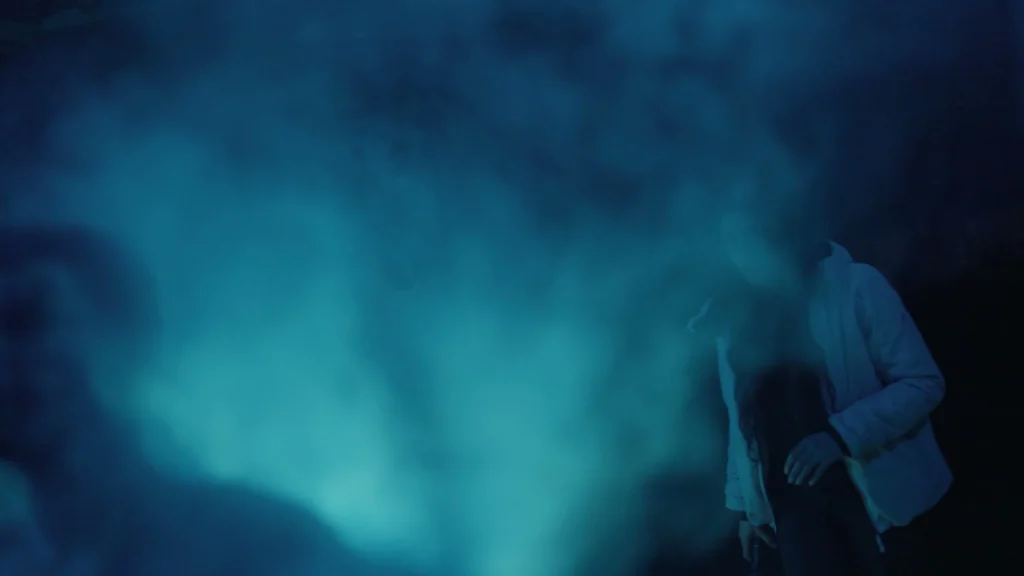
Two colours do the work. Cold blue fills the concrete, the fog and the skin; the fire under the cauldron is the one warm point in the frame. Foreground silhouettes give the room depth and frame the man. The fog thickens and thins from shot to shot, so figures appear and disappear even after the reveal. The scene never shows itself completely.
Cinematography and camera language
The sequence moves from wide to close. Wide frames set the scale of the room and the cauldron. The reveal is a slow push forward between the two visitors toward the man. A shot from behind shows his arms along the rim; then the camera goes to his face, and finally to the woman’s. The blue and orange contrast keeps the cauldron readable through the smoke at every distance.
Colour palette
- #071B31Deep shadow — the concrete interior
- #176088Blue fog — the cold air of the scene
- #FF6A20Orange fire — the one warm point, under the cauldron
Continuity rules
- Atmosphere
- The same blue fog and deep shadow run through the approach, the reveal and the close-ups. The fire is the only warm light, and it always comes from under the cauldron.
- Character and cauldron
- The scars on the man’s face and back are the same in every shot, so he is recognisably one person from the wide frame to the close-up. The cauldron and the position of his arms on its rim match between the front and rear views.
Characters
- The man in the cauldron
- Bare-chested, seated in the metal cauldron, arms along the rim. The scars on his face and back tie the close-ups to the wide shot.
- The visitor with the flashlight
- A man in a heavy coat. His flashlight beam is the audience’s way into the fog.
- The woman
- In a light-coloured coat. Her face and her outstretched hand carry the sequence’s final beat.
Worlds and locations
- The concrete interior
- A dim concrete hall filled with blue fog and lit from one point: the fire under the cauldron. The space is AI-generated; no physical location was filmed.
AI generated
06
Craft
-
AI sequence direction
Güneş Polater directed the scenes shot by shot: what the audience sees, when, and from how far away.
-
AI image production
Stills set the look of the scarred man, the concrete hall, the fog and the fire.
-
AI VFX scene production
The approach, the reveal and the reactions were generated as moving shots and cut into one sequence.
-
AI music and sound effects
Music and effects were generated with ElevenLabs and laid to picture in stereo.
07Process
How it was made
 AI generated
Created with generative AI · directed, edited and finished by people
Blue against orange puts the cauldron at the centre of every frame. Wide shots introduce the room; close-ups stay on the man’s scars and the visitors’ fear. Images and video were generated with Seedance 2.0, GPT Image 2 and Nano Banana Pro, music and sound effects with ElevenLabs. Direction, shot selection and the edit were done by people.
Workflow
- 01
Direction
Güneş Polater set the order of the scene — room, fog, cauldron, face, reaction — and directed each shot to it.
- 02
Image and video generation
Stills and moving shots were generated with GPT Image 2, Nano Banana Pro and Seedance 2.0. Every picture on this page is AI-generated.
- 03
Music and sound
The score and the scene’s sound effects were generated with ElevenLabs and synced to the cut.
- 04
Edit and delivery
The shots were cut into a 54-second sequence and a 12-second version of the reveal. The master is 4K UHD; the web versions are Full HD.
Tools and models
| Task | Tool | Model / version |
|---|---|---|
| Video generation | Seedance | 2.0 |
| Image generation | GPT Image | 2 |
| Image generation | Nano Banana Pro | |
| Music | ElevenLabs | |
| Sound effects | ElevenLabs |
What was human, what was generated
People decided what the scene is: the concept, the order of shots, the framing, the selection and the edit are Güneş Polater’s. AI generated the pictures and the sound: Seedance 2.0, GPT Image 2 and Nano Banana Pro for images and video, ElevenLabs for music and effects. No actors or locations were filmed; every character and space on this page is generated. Leopati, based in Ankara, Türkiye, produced the work in 17 days.
Prompt approach
The brief behind every shot was the same: a dim concrete hall, blue fog, an orange fire under a metal cauldron, and a scarred man inside it. Holding those elements constant from shot to shot keeps the character and the room consistent between the wide frames and the close-ups.
Problems and solutions
Problem A reveal in heavy smoke can easily hide the thing it is revealing.
Solution The fire is the only warm light in the frame and the visitors are kept as dark shapes at the edges, so the cauldron stays readable even when the fog is thickest.
Problem The man is seen from the front, from behind and in close-up. He has to be the same man each time.
Solution His scars, the cauldron and the position of his arms on the rim were fixed as reference points and matched across the shots.
08Sound
Music and sound
 AI generated
The music and the sound effects were generated with ElevenLabs and cut to the picture. Both videos on this page play in stereo.
09Outcome
Release and reception
 AI generated
The scenes were delivered to the client in 17 days. Shown here are the 54-second sequence, a 12-second cut of the cauldron reveal, six stills and the poster. The client and the film’s title are confidential.
10Credits
Who made it
- Director
- Güneş Polater
- Production company
- Leopati
11Questions
Questions about this project
What is The Man in the Cauldron?
A set of AI VFX scenes made for a horror feature film. The 54-second sequence on this page follows two visitors to a man sitting in a cauldron over an open fire. Güneş Polater directed it and Leopati produced it.
Who made The Man in the Cauldron?
Güneş Polater directed the scenes. Leopati, his AI production studio in Ankara, produced them for a confidential client.
Which AI tools were used?
Seedance 2.0, GPT Image 2 and Nano Banana Pro for the images and video; ElevenLabs for the music and sound effects. Direction, shot selection and editing were done by people.
How long did the production take?
17 days, from the first images to the finished sequence.
Were any actors or locations filmed?
No. The man, the two visitors and the concrete hall are all AI-generated.
AI VFX
- AI generated
Blair Witch
 AI generated
Zarafel
AI generated
Zarafel
Need generated sequences that sit inside your footage?
Start a similar project