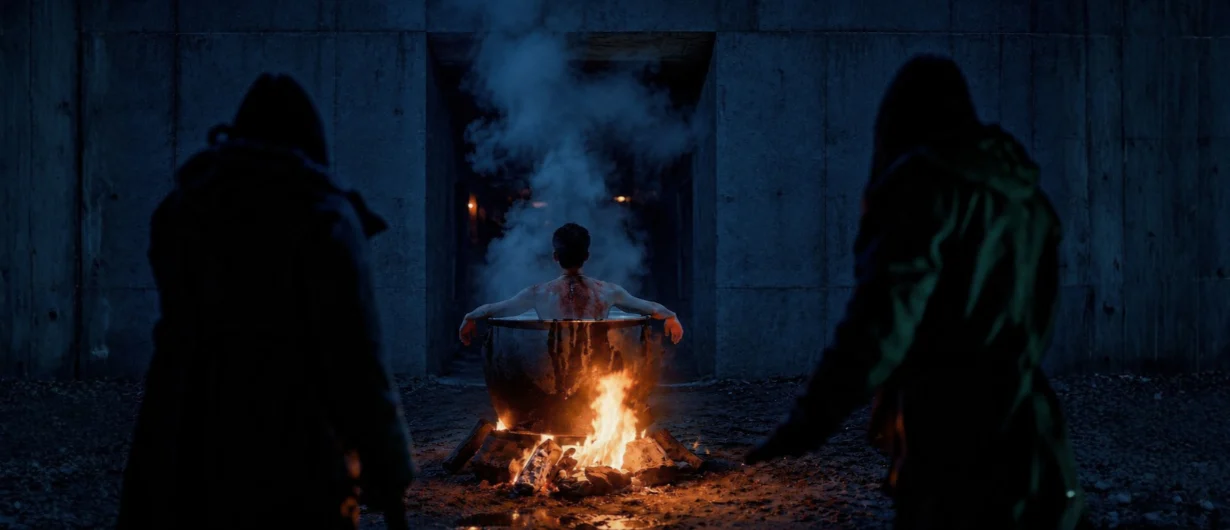
 AI generated
The Man in the Cauldron
Ask a question
Discover the work
Zarafel AI Visual Effects
AI Visual Effects
An ancient stone called Zarafel promises the grieving that death can be undone, and opens a door for something that should never cross.
 AI generated
Transcript and description
No dialogue in the preview; picture only.
What is seen:
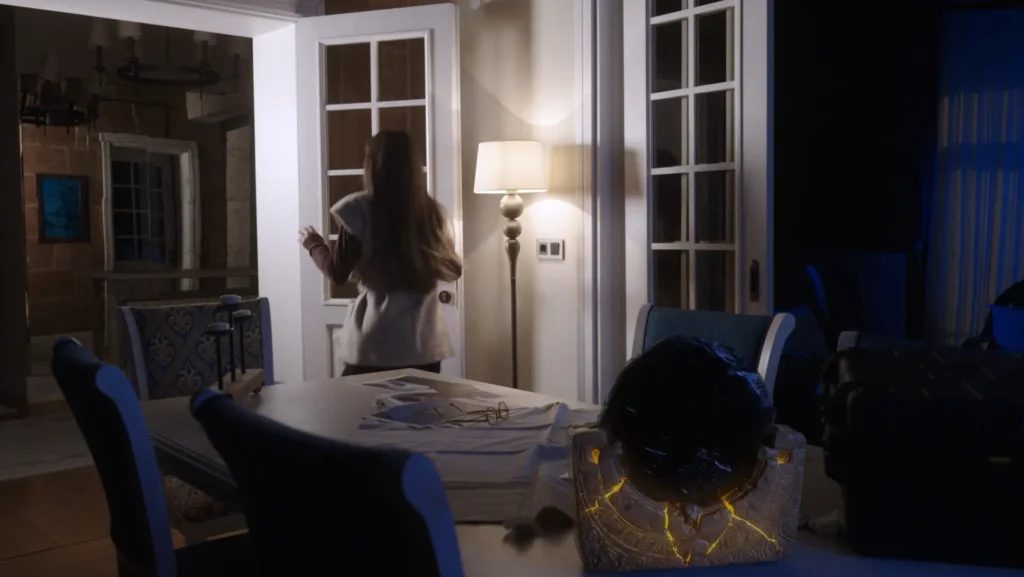
A woman sits at a table in a lamplit room at night.
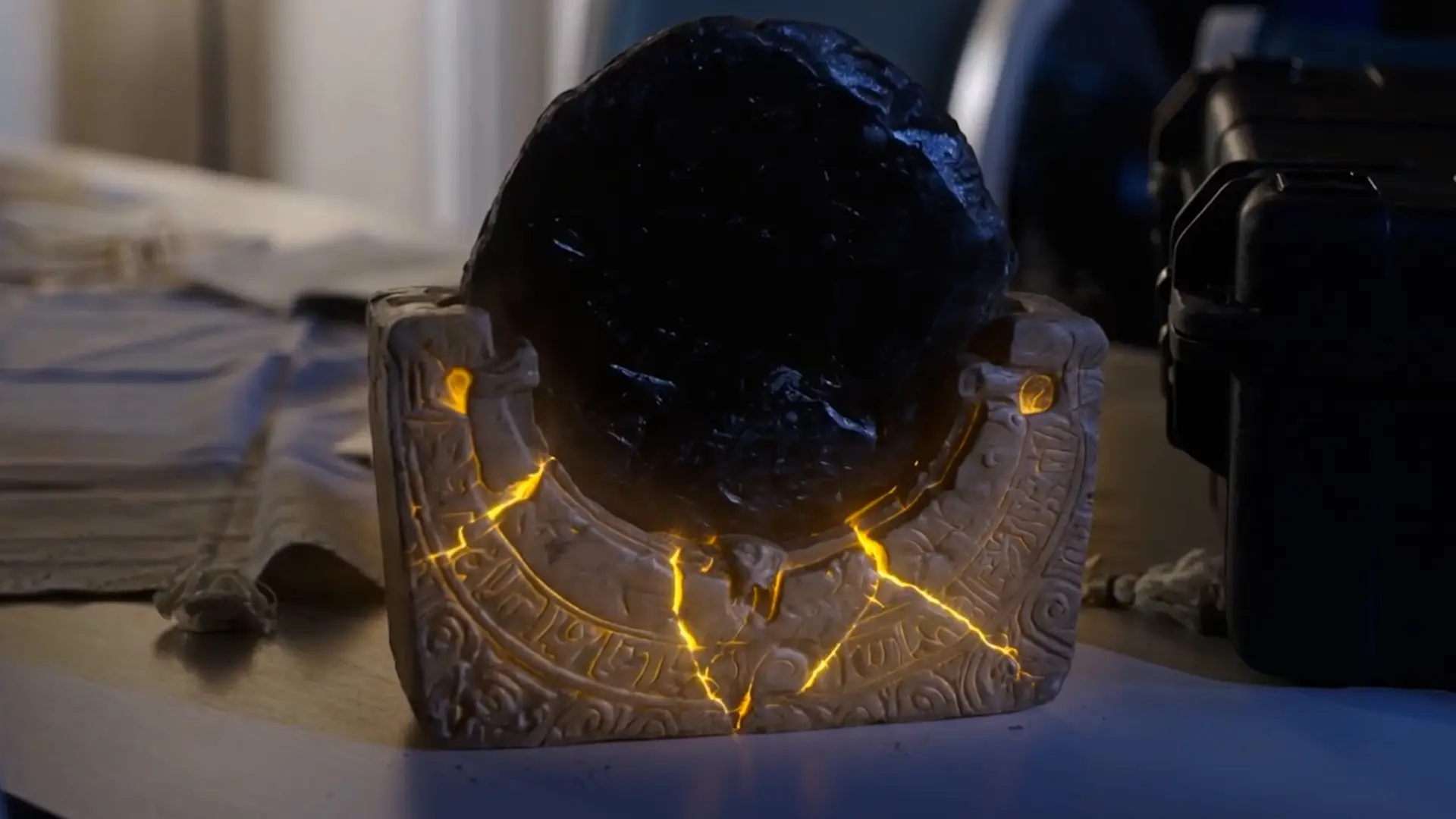
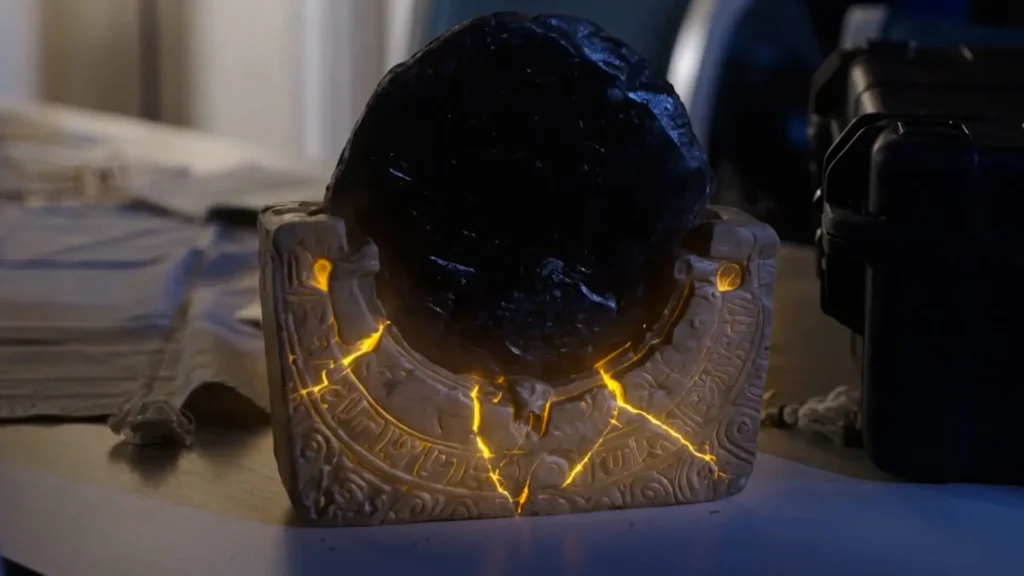
An ancient carved stone cracks open and gold light leaks through its engraved script.
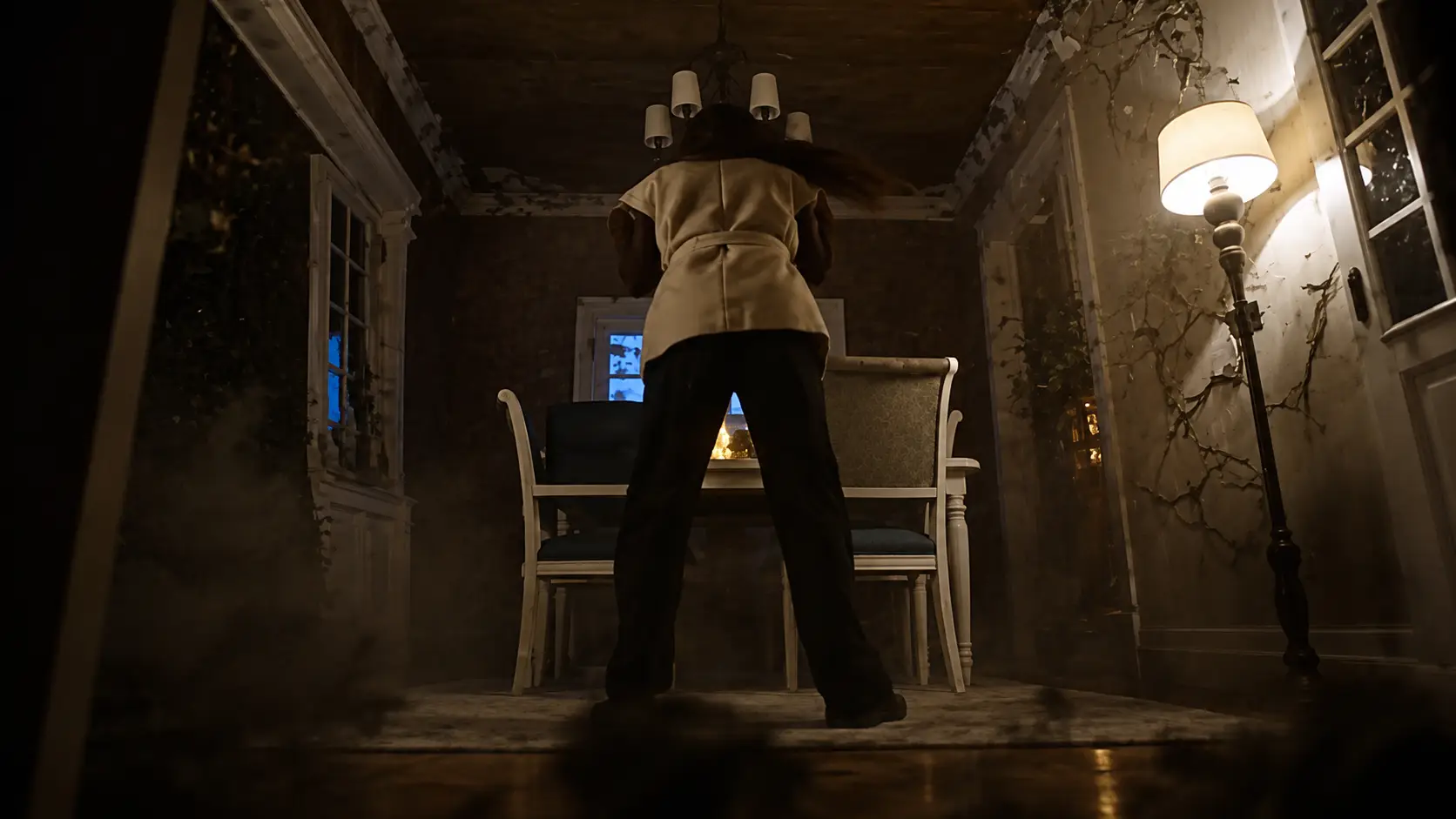
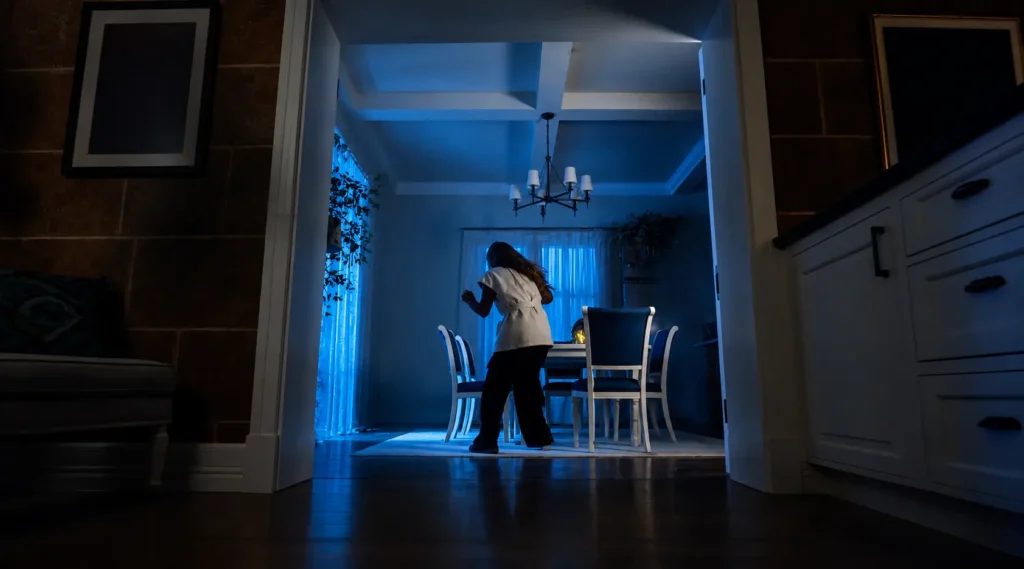
An unseen force sweeps through the room and lifts everything off the table while the stone glows.
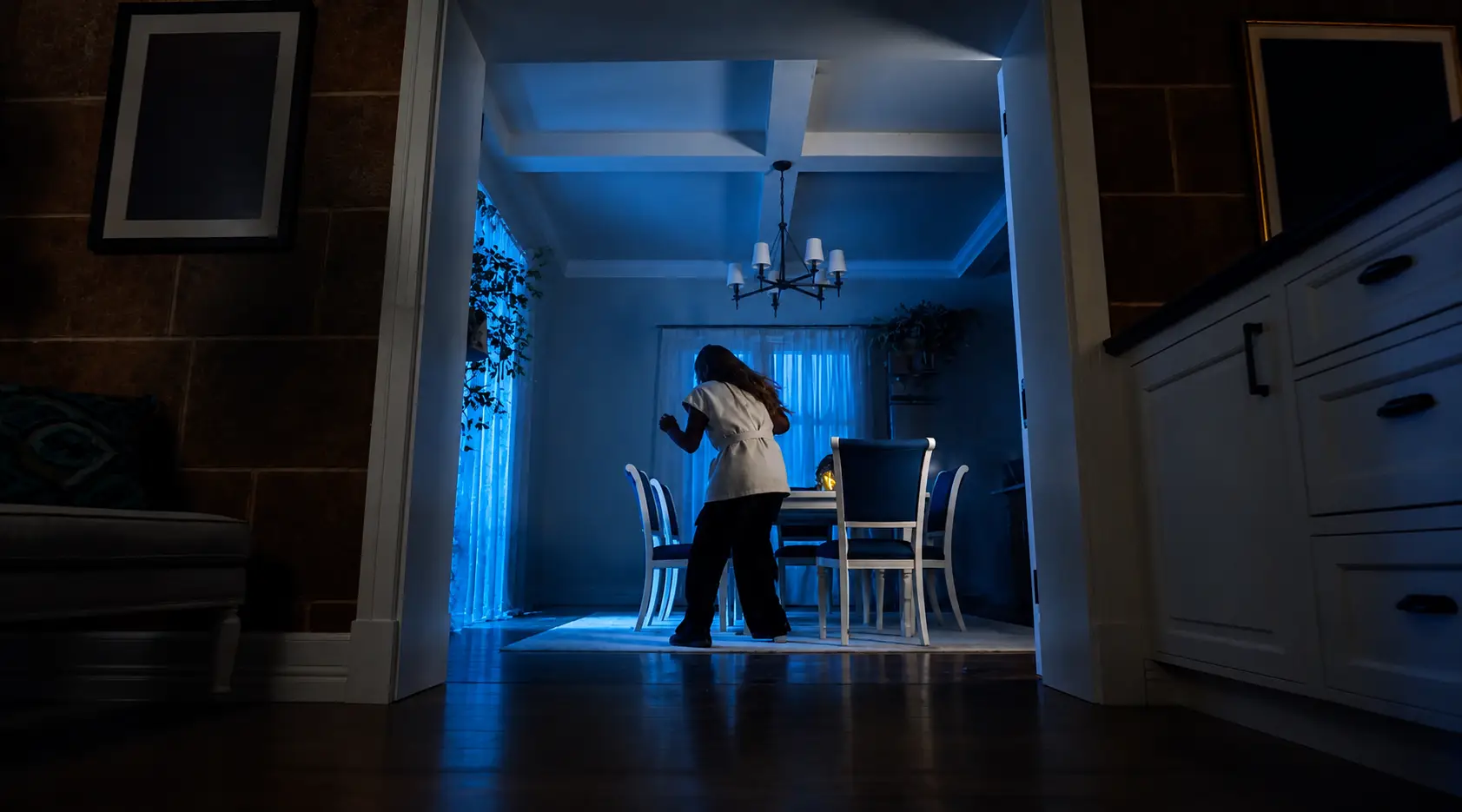
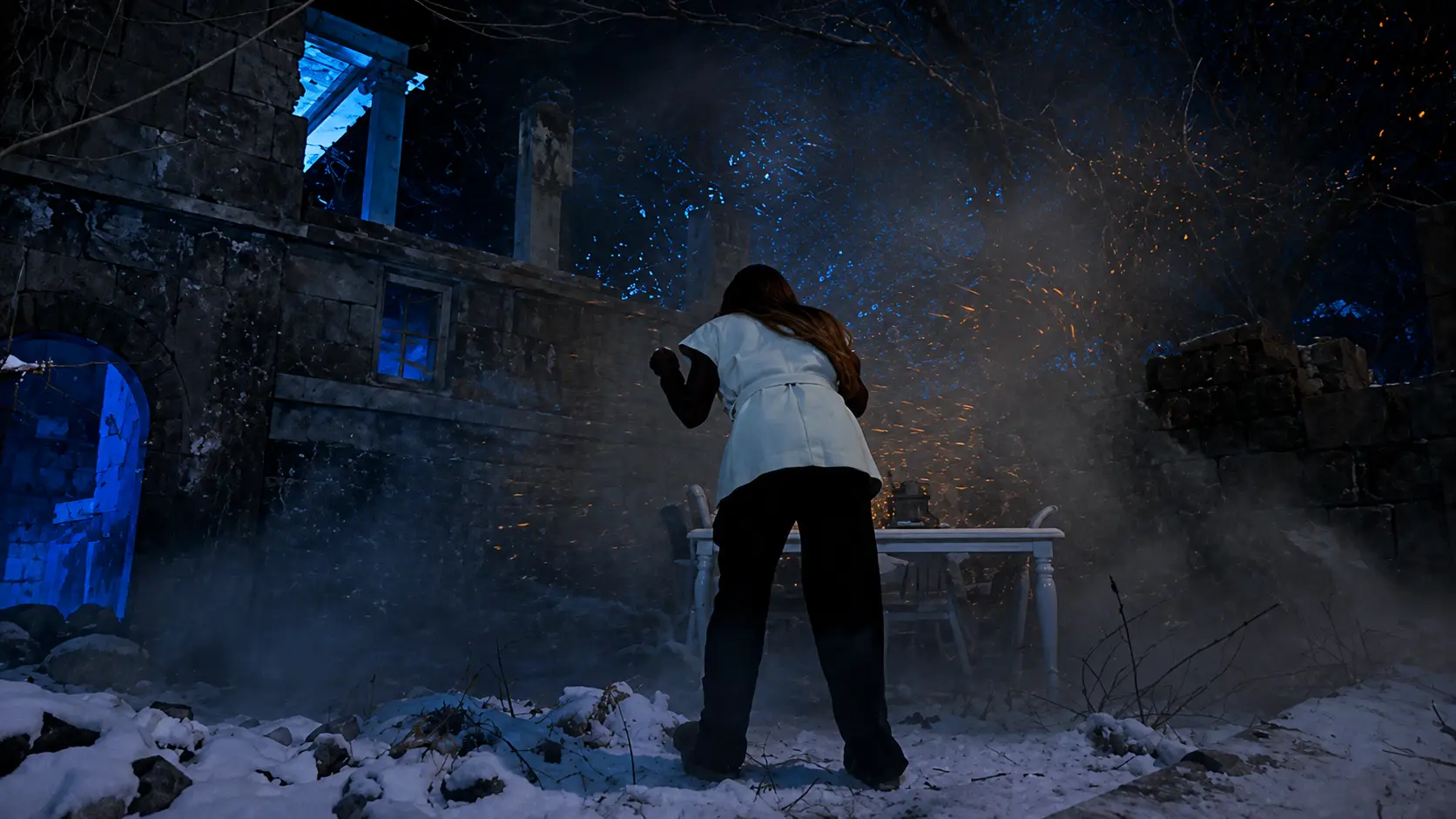
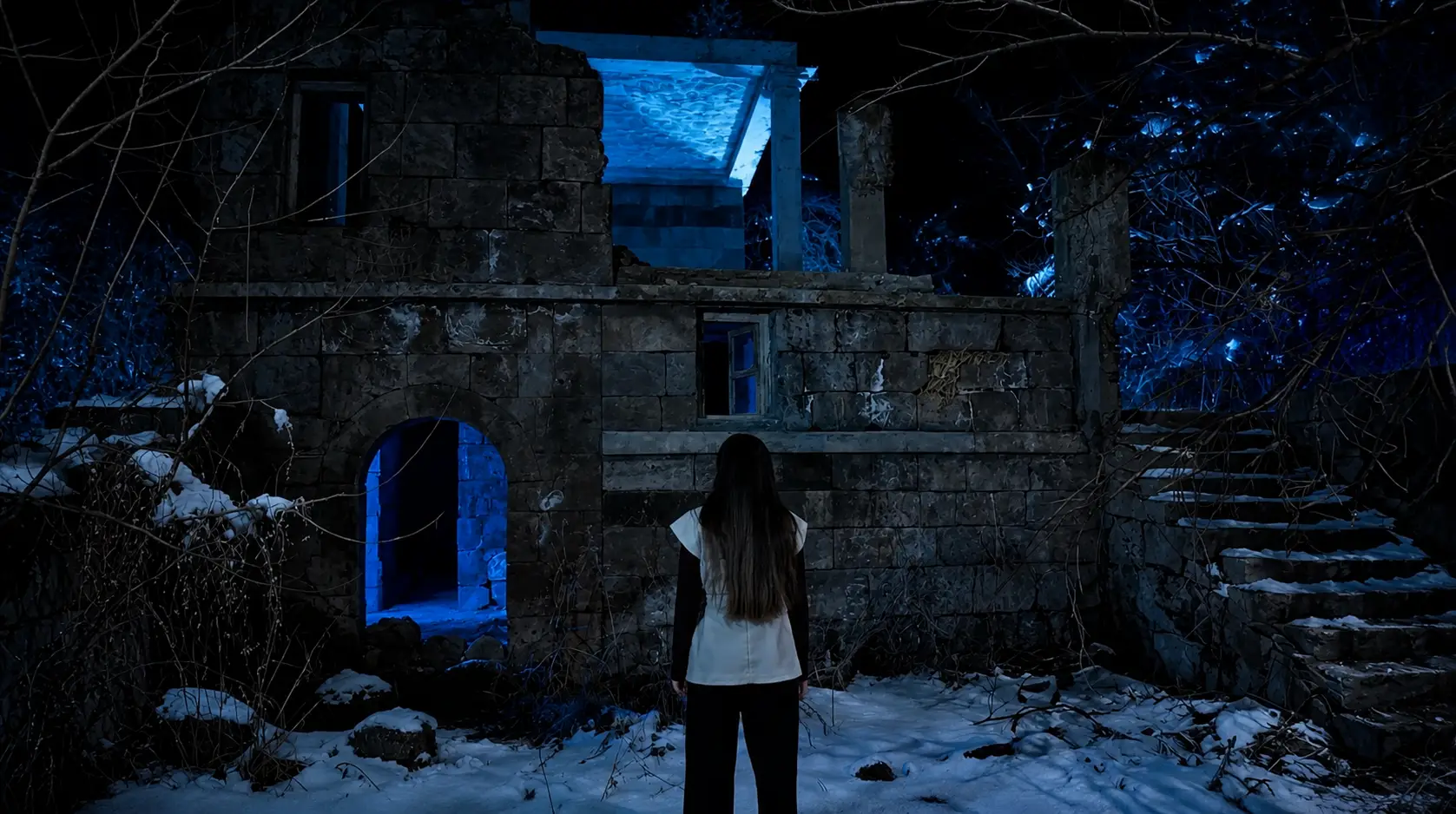
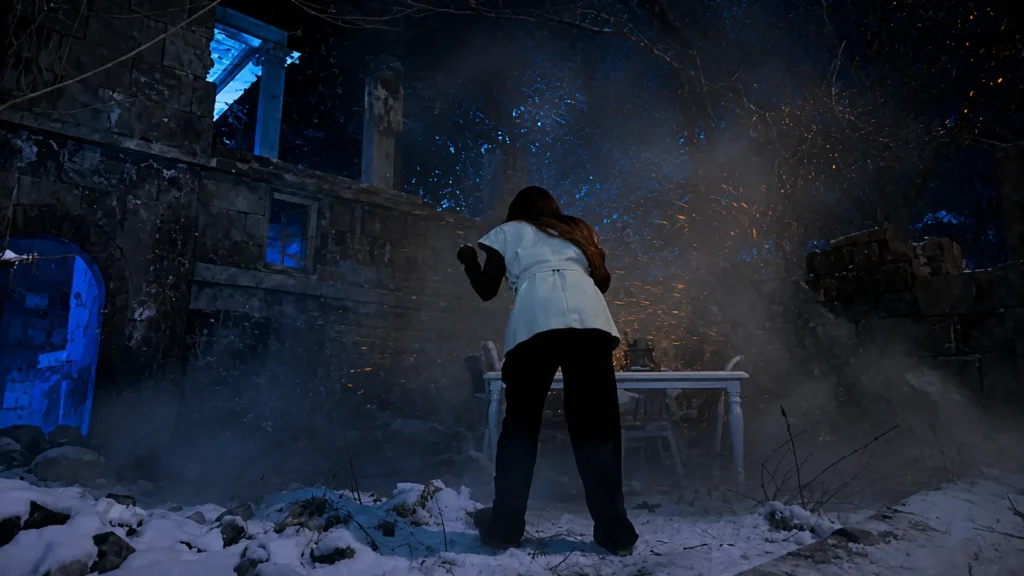
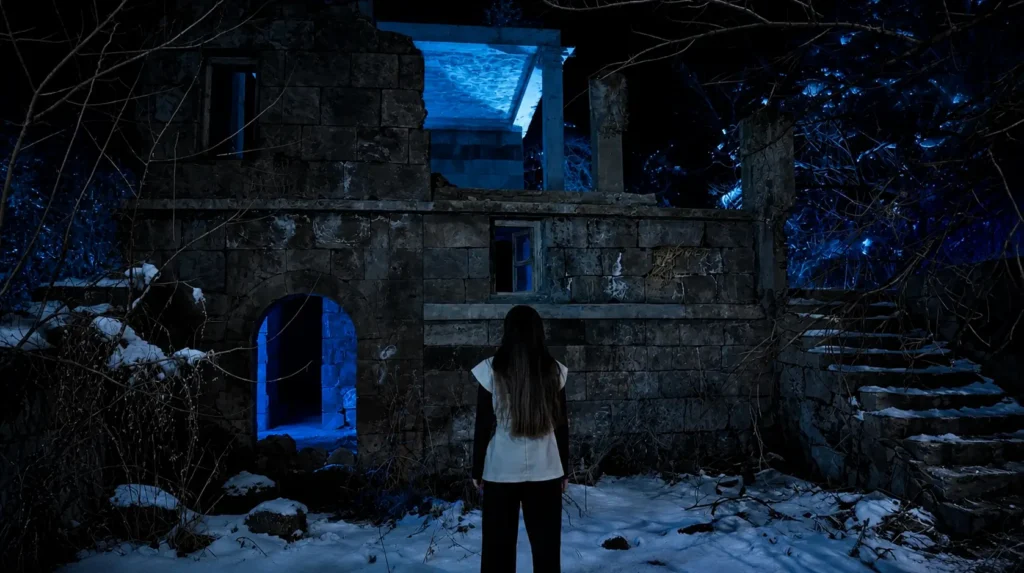
Outside, the woman walks through deep snow toward a ruined stone house under cold blue moonlight.
01
Overview
Zarafel is a Turkish fantasy, thriller and horror feature film directed by Burak Kuka from a screenplay by Erçin Sadıkoğlu and Özgür Akbaş, starring Ceyda Ateş, Luka Peros and Müjde Uzman. It opens in cinemas on 23 April 2027, distributed by CJ ENM. Leopati, led by Güneş Polater, created the AI visual effects for selected sequences of the film.
Zarafel (2027), Burak Kuka's horror film: Leopati created three AI visual effects sequences that cut into the film.
- Client
- NS Prodüksiyon · CA Prodüksiyon · RETROPRO · Rahşan Felder Prodüksiyon
- Year
- 2026
- Discipline
- AI Visual Effects
- Project
- Zarafel (2027 film)
- Production type
- AI Film
- Leopati’s role
- AI visual effects for selected interstitial scenes of the feature film: creative direction, generated visuals, animation and finishing of those scenes.
- Released
- July 16, 2026
- Runtime
- 0:30
- Format
- 2.39:1 · 4K UHD (3840 × 2160) · 24 fps · Picture only (sound by the film's team)
- Language
- Turkish (film)
- Country
- Türkiye
- Production
- 7 days
- AI use
- Live action combined with generative AI
- Deliverables
- Three AI visual effects sequences in 4K, 2.39:1, for the feature film
AI sequencesLeopati produced the AI sequences of this live-action film; the frames on this page are from those sequences.How we label our work
ServiceAI Visual Effects Production. This project is an example of this service.
 AI generated
02Frames
Frames from the production
5 framesAI sequences
AI generated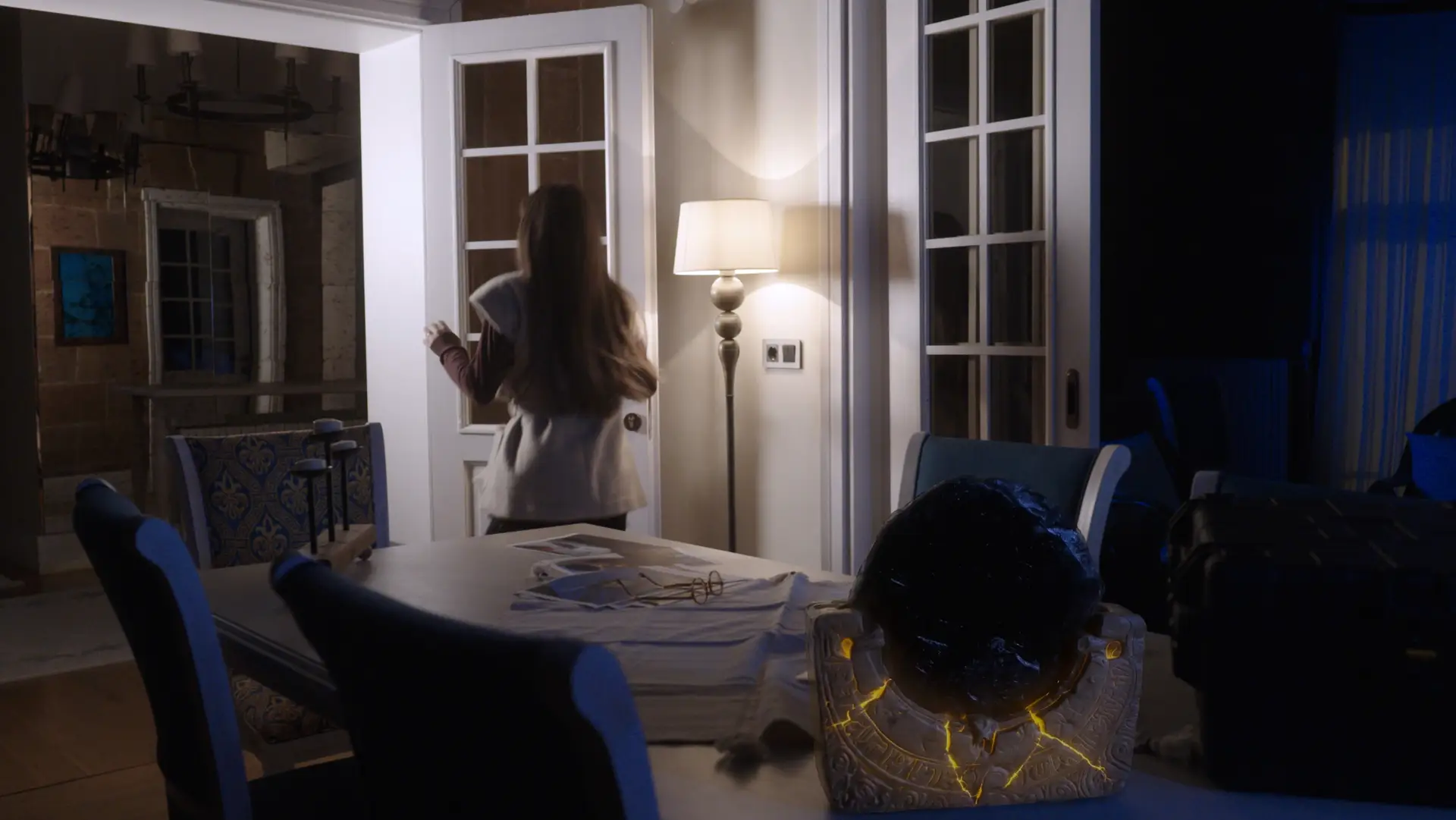 AI generated
 AI generated
 AI generated
 AI generated
03Brief
Why this project existed
 AI generated
Objective
Give the film moments that live action alone could not show: the pull of the Zarafel stone, made visible, without ever looking like a different film.
The creative challenge
The central challenge was to create an AI-generated sequence that felt naturally connected to the live-action film. Visual style, character continuity, pacing, atmosphere, and narrative transitions had to remain consistent with the surrounding footage rather than appearing as a separate AI production.
Audience
Cinema audiences for Turkish fantasy and horror films.
Constraints
Three sequences in 4K, 2.39:1, built to cut into a finished live-action film, in about one week.
04Direction
Creative direction
 AI generated
Thousands of years ago a forbidden ritual bound a mysterious stone called Zarafel to the world. It whispers to those who have lost someone that death can be undone. But it feeds on their grief, and every wish to bring the dead back opens the door a little wider for an ancient evil from another world.
The stone as a presence: three sequences where its power leaks into ordinary rooms and snowbound nights, built to sit inside the film's own light and grain.
A feature film does not forgive a sequence that looks borrowed. Our job on Zarafel was to make the impossible moments feel shot on the same night, with the same lens, as everything around them. If the audience never wonders where the live action stops, we did it right.
Visual style
Low-key horror light: lamplit interiors, blue snow at night, and the stone's own glow as the only warm source in the frame.
Cinematography and camera language
Static, low-key frames inside the house let the stone do the moving: a close shot on the cracking relic, then a wide room where its force lifts everything off the table. Outside, a wide night shot follows the woman to the ruined house, framed for the 2.39:1 screen.
Colour palette
- #070507Night black / Gece siyahı
- #17263BSnow night blue / Karlı gece mavisi
- #3F4452Stone grey / Taş grisi
- #797F89Cold mist / Soğuk sis
- #E8A94ARelic glow / Kalıntının ışığı
Continuity rules
- Look
- Grain, colour and light direction matched to the surrounding footage in every shot.
- The stone
- One reference for the relic, used in every sequence.
Characters
- The Zarafel stone
- An ancient, cracked relic with a glow of its own; kept identical in every shot it appears in.
- The woman
- Seen in the lamplit room and outside the stone house in the snow; matched to the scenes around her.
Worlds and locations
- The stone house in the snow
- A remote house at night, blue snow, a single light in the window.
- The lamplit room
- A study at night where the relic glows on the desk.
AI generated
05
Craft
-
AI Creative Direction
Visual concept, atmosphere, world-building, and cinematic direction developed specifically for the integrated AI sequence.
-
AI Visual Production
Characters, environments, compositions, and key visual frames created through a controlled generative production workflow.
-
Cinematic Animation
Image-to-video animation, camera movement, visual continuity, pacing, and transition design for the cinematic interlude.
-
Sound Design & Post-Production
Editing, visual effects, color refinement, sound synchronization, and seamless integration of the AI sequence into the live-action film.
06Process
How it was made
 AI generated
Live action combined with generative AI · directed, edited and finished by people
We developed the sequence through a structured AI production workflow combining scene planning, visual development, character consistency, image-to-video animation, cinematic editing, sound design, visual effects, and iterative refinement. Every shot was designed to function as part of the original film and support its visual rhythm, emotional tone, and narrative progression.
Workflow
- 01
Brief
Three moments the live action could not show, chosen with the film's director.
- 02
Look development
Reference stills graded to the film's look.
- 03
Generation
Moving shots generated through Higgsfield with Kling and Seedance from the references.
- 04
Compositing
Shots composited and finished to sit inside the cut.
- 05
Delivery
Three sequences in 4K, 2.39:1.
Tools and models
| Task | Tool | Model / version |
|---|---|---|
| Image generation | GPT Image | |
| Image generation | Midjourney | |
| Video generation | Higgsfield | Kling, Seedance |
What was human, what was generated
The film itself is live action, directed by Burak Kuka. Leopati generated the three AI sequences under Güneş Polater's direction: creative direction, shot design, selection, animation, compositing and finishing were done by people; the imagery of those sequences was generated with AI through Higgsfield, using Kling and Seedance.
Prompt approach
Each sequence started from frames graded to match the film. Reference stills of the stone, the house and the interiors were locked first; every moving shot was generated from them so light direction, grain and colour stayed with the film.
ancient carved stone relic cracking open, molten gold light leaking through engraved script, dark study at night, shallow depth of field, anamorphic 2.39:1, film grainan unseen force sweeps through a lamplit dining room, papers and cloth lifting, the glowing stone on the table, horror film lighting, 35mm grainwoman in a white blouse walks toward a ruined stone house in deep snow at night, cold blue moonlight, bare trees, cinematic wide shot, 2.39:1Excerpts, trimmed, in the language they were written in.
Problems and solutions
Problem AI shots had to cut against the film's footage without looking like a different film.
Solution References were graded to the film's footage first, and every shot was generated and finished against them.
07Sound
Music and sound
 AI generated
- Voice
- No voice-over
Delivered as picture only; the film's own sound team mixed these sequences into the soundtrack.
08Outcome
Release and reception
 AI generated
The three sequences are part of Zarafel, which opens in cinemas on 23 April 2027.
Released on
Verify this project
Every claim on this page can be checked at its source.
- Leopati channel
- YouTube: Zarafel preview, Leopati (official) youtube.com
09Credits
Who made it
- Director
- Burak Kuka
- Writer
- Erçin Sadıkoğlu, Özgür Akbaş
- Visual effects & compositing
- Güneş Polater, Leopati
- Production company
- NS Prodüksiyon, CA Prodüksiyon, RETROPRO, Rahşan Felder Prodüksiyon
The film
- Film
- Zarafel
- Director
- Burak Kuka
- Screenplay
- Erçin Sadıkoğlu, Özgür Akbaş
- Cast
- Ceyda Ateş (Leyla), Luka Peros (Profesör Henry), Müjde Uzman (Havva Kadın), Beyti Engin (Tarihçi İhsan), Melih Selçuk (Orhan), Sinan Çatıkkaş (Yemni), Nihan Tüfekcioğlu (Nazlı), Uğur Özbağı (Ali), Fatih Yücebağ (Kahveci), Batuhan Alpay (Martin)
- Genre
- Fantasy, Thriller, Horror
- Release
- 23 April 2027
- Running time
- 92 minutes
- Production
- NS Prodüksiyon, CA Prodüksiyon, RETROPRO, Rahşan Felder Prodüksiyon
- Distribution
- CJ ENM
About the film
Zarafel (2027) is a 92-minute Turkish feature film in the fantasy, thriller and horror genres, directed by Burak Kuka from a screenplay by Erçin Sadıkoğlu and Özgür Akbaş, starring Ceyda Ateş, Luka Peros and Müjde Uzman. It is produced by NS Prodüksiyon, CA Prodüksiyon, RETROPRO and Rahşan Felder Prodüksiyon and distributed by CJ ENM, with a cinema release on 23 April 2027.
Film listings
10Questions
Questions about this project
What is Zarafel?
Zarafel is a Turkish fantasy, thriller and horror feature film by director Burak Kuka, written by Erçin Sadıkoğlu and Özgür Akbaş. Leopati created the AI visual effects for selected sequences.
What is Zarafel about?
A stone called Zarafel promises grieving people that they can bring their dead back. The more they want it, the more it feeds on their loss, until it becomes a doorway for an ancient evil.
Who stars in Zarafel?
Ceyda Ateş plays Leyla, Luka Peros plays Professor Henry and Müjde Uzman plays Havva Kadın, with Beyti Engin, Melih Selçuk, Sinan Çatıkkaş, Nihan Tüfekcioğlu, Uğur Özbağı, Fatih Yücebağ and Batuhan Alpay.
When does Zarafel come out?
Zarafel opens in cinemas in Türkiye on 23 April 2027, distributed by CJ ENM. The running time is 92 minutes.
What did Leopati do on Zarafel?
Under Güneş Polater's direction, Leopati created three AI sequences for the film: creative direction, generated visuals, animation and finishing, built to sit inside the film's own footage.
Q&A
For the curious: questions about Zarafel
How do AI shots cut into a horror film? From the creative process to the technical detail, ask what you are curious about. Leopati answers, and your question and its answer take their place here without your name.
Frequently asked questionsAsk a question
AI Film
- AI generated
The Man in the Cauldron
 AI generated
THYMOS
 AI generated
Blair Witch
 AI generated
St. Nicholas of Myra
Have a story that needs this kind of production?
Start a similar project