
 AI generated
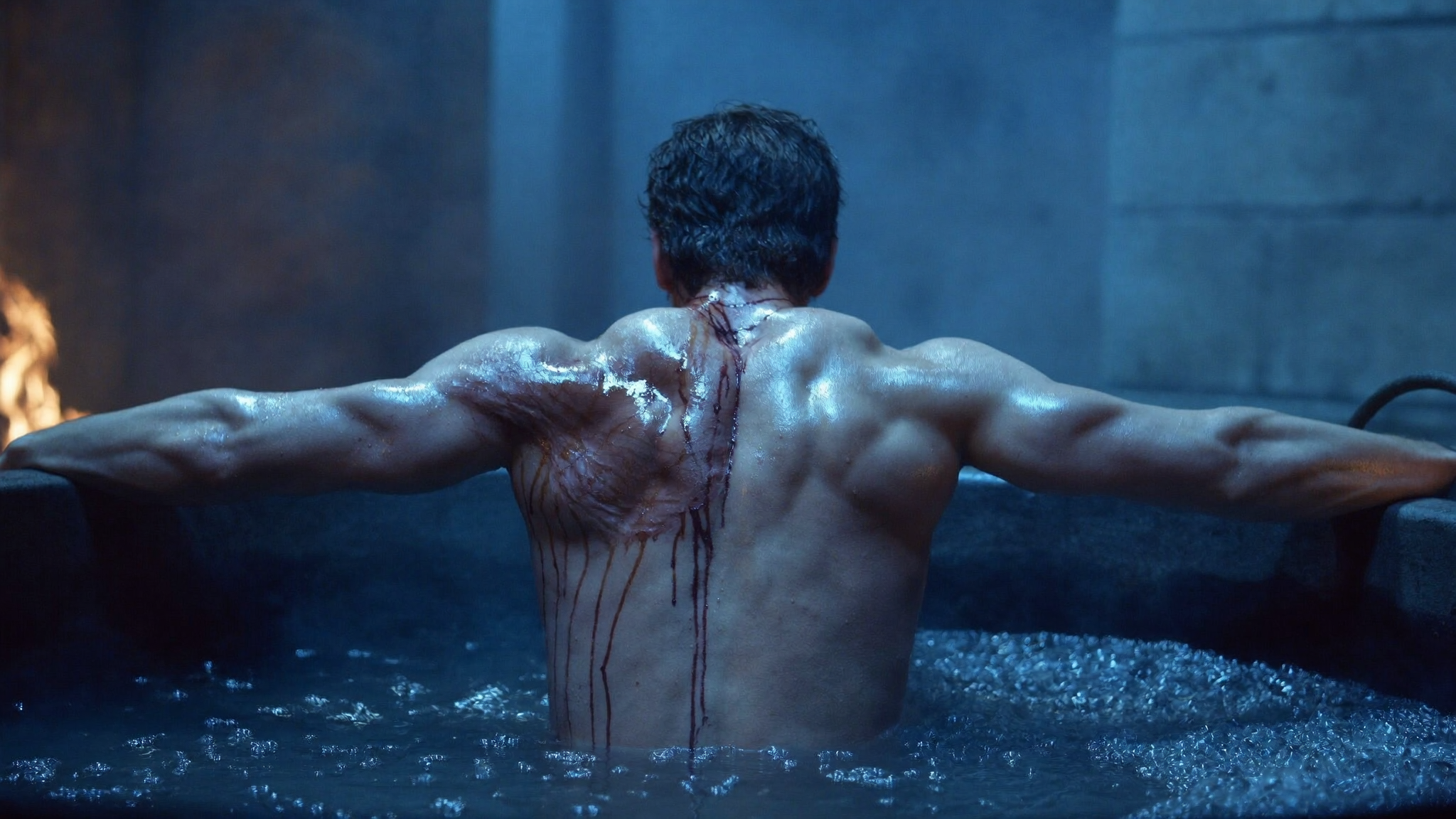
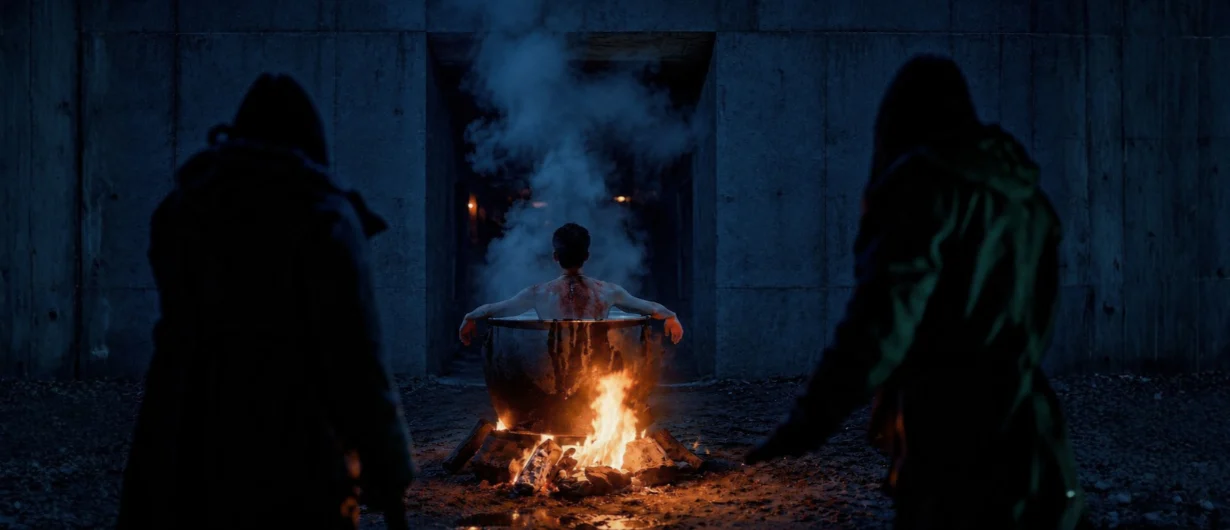
The Man in the Cauldron
Ask a question
Discover the work
Blair Witch
AI Visual Effects
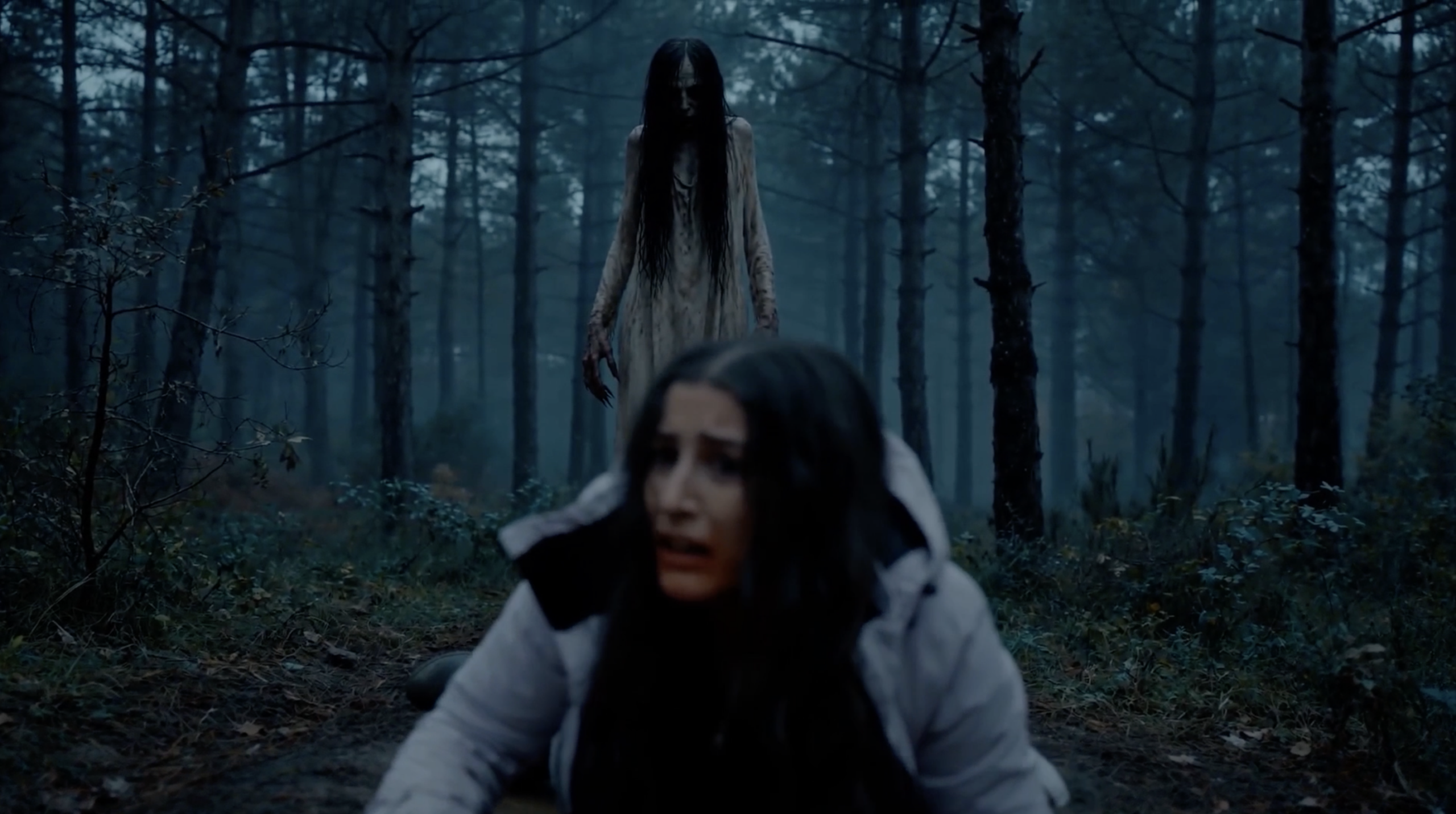
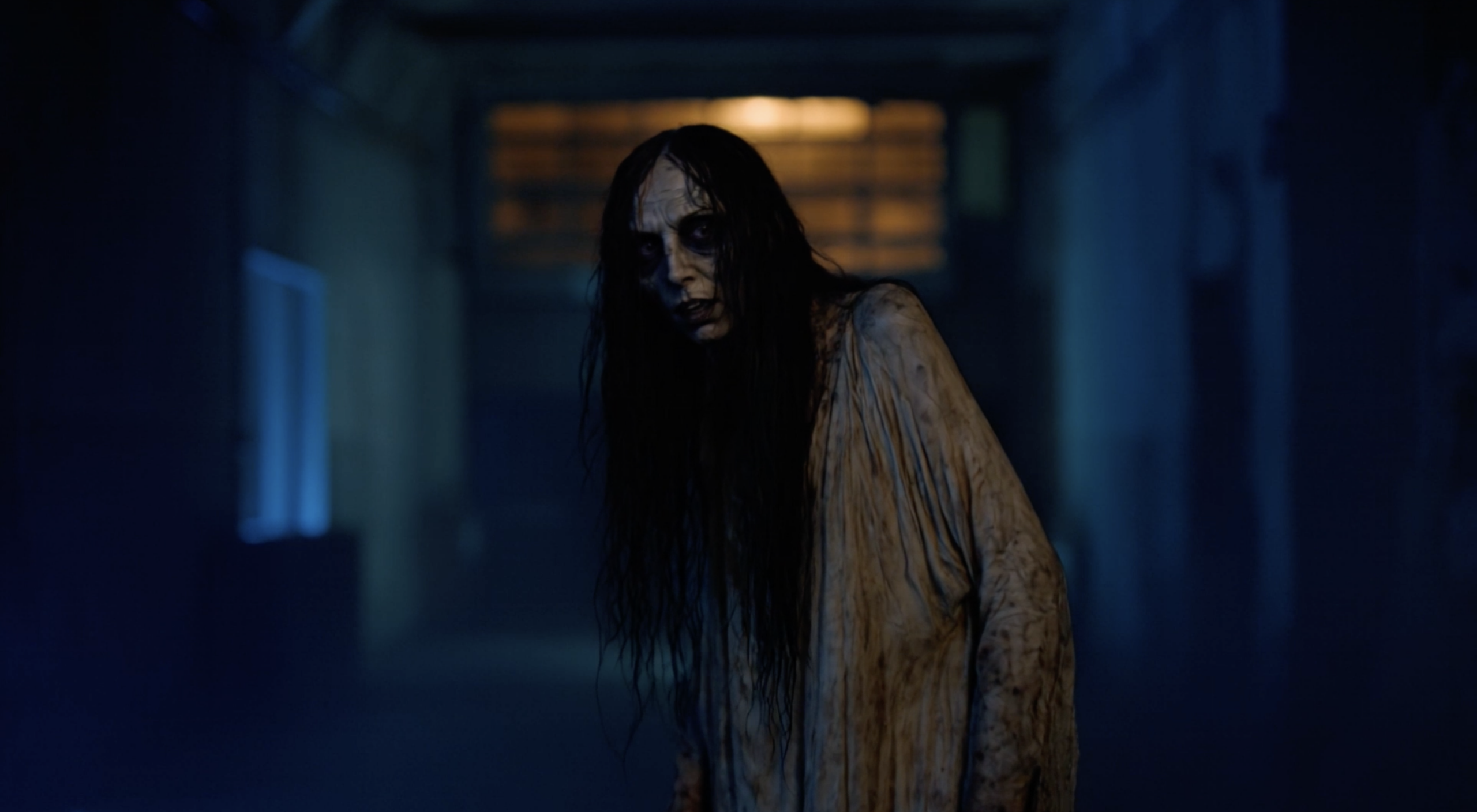
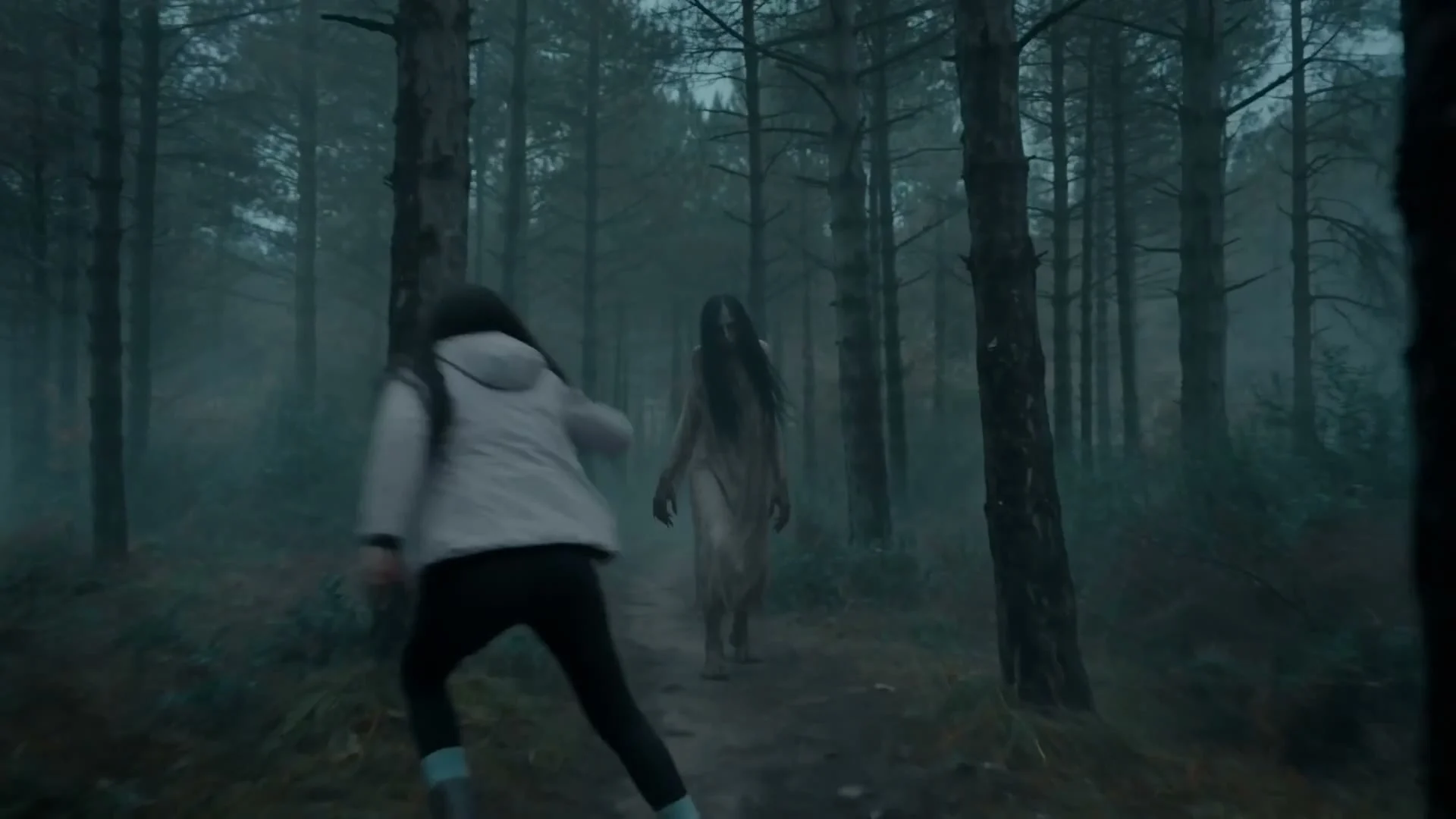
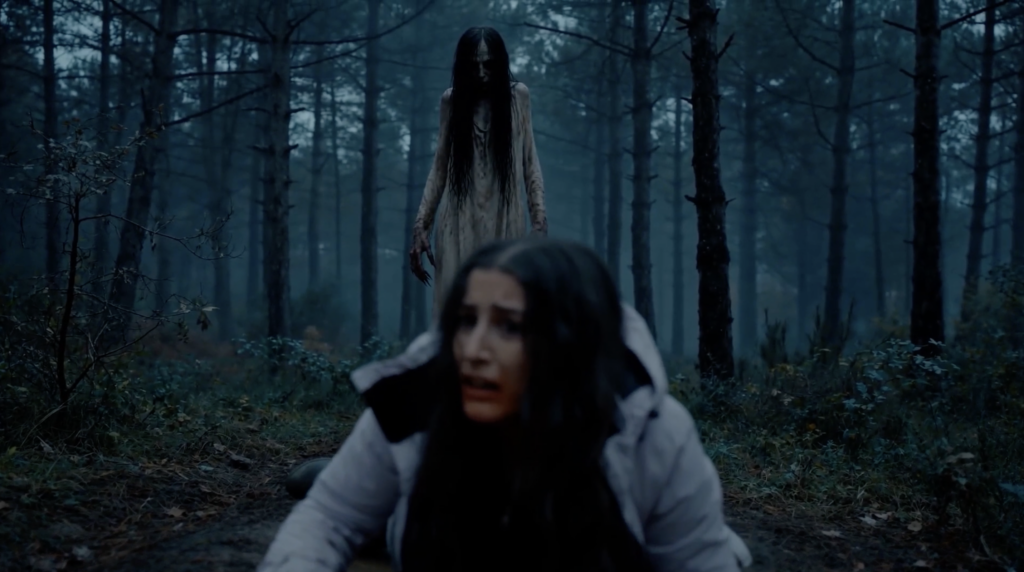
A woman runs through a fog-bound pine forest. Every time she looks back, the long-haired figure in the pale dress is closer.
 AI generated
01
Overview
Selected AI-generated horror sequences for Blair Witch, combining atmospheric visual development, cinematic animation, visual effects and live-action film integration.
Selected AI-generated horror sequences created for the live-action film Blair Witch. The production combines atmospheric forest imagery, cinematic animation, supernatural visual development, visual effects, sound synchronization, and detailed post-production.
- Client
- Film studio
- Year
- 2026
- Discipline
- AI Visual Effects
- Project
- Blair Witch
- Production type
- AI Horror Sequence
- Leopati’s role
- AI art direction, visual production, cinematic animation, post-production and live-action film integration.
- Released
- July 30, 2026
- Runtime
- 0:24
- Format
- 16:9 · Full HD (1920 × 1080) · 24 fps · Stereo
- Country
- Türkiye
- AI use
- Live action combined with generative AI
- Deliverables
- AI visual effects sequences for a live-action horror film
AI sequencesLeopati produced the AI sequences of this live-action film; the frames on this page are from those sequences.How we label our work
ServiceAI Visual Effects Production. This project is an example of this service.
 AI generated
02
Clips
6 videos
Main film0:24
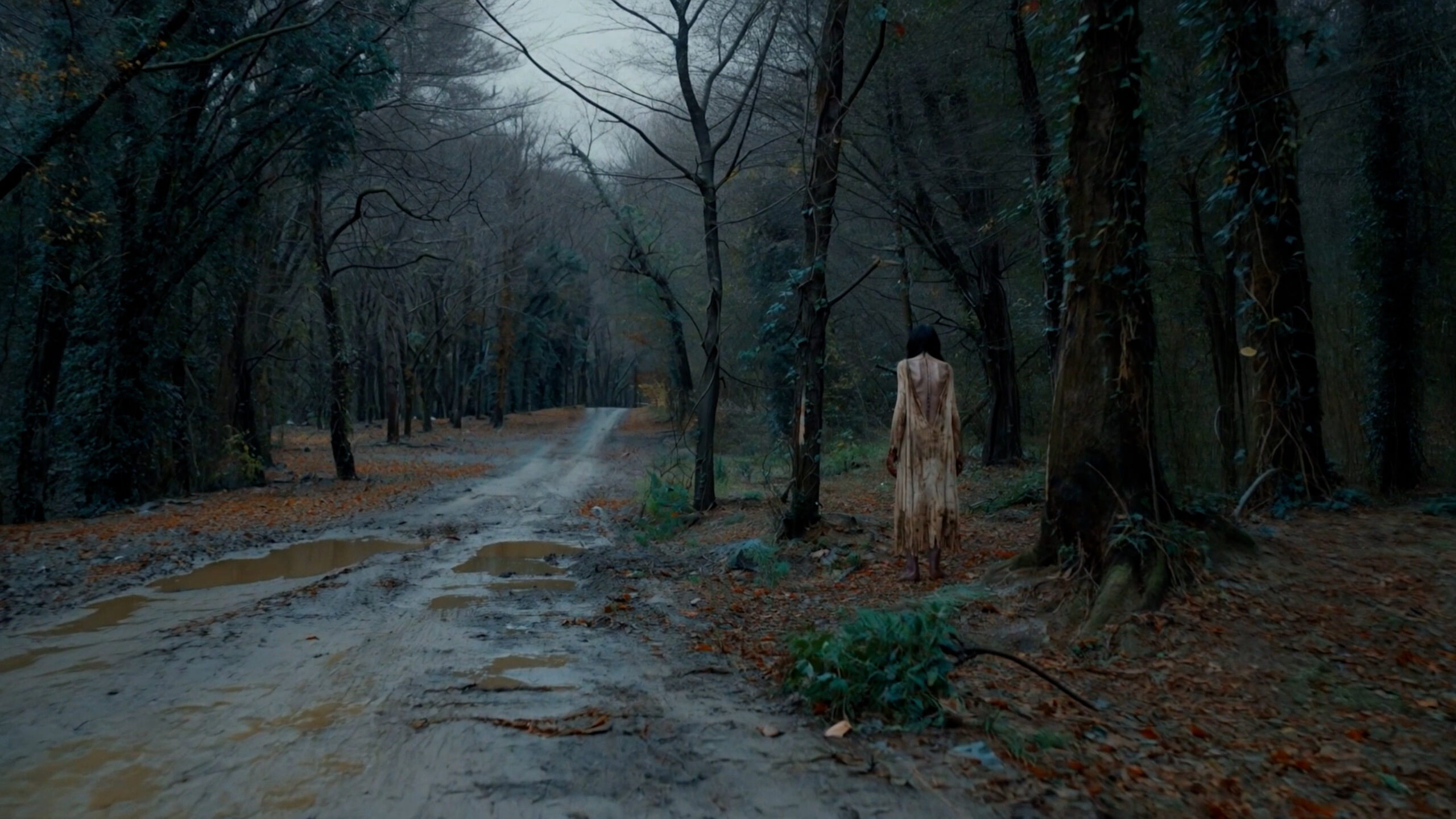
The Figure on the Forest Road0:23
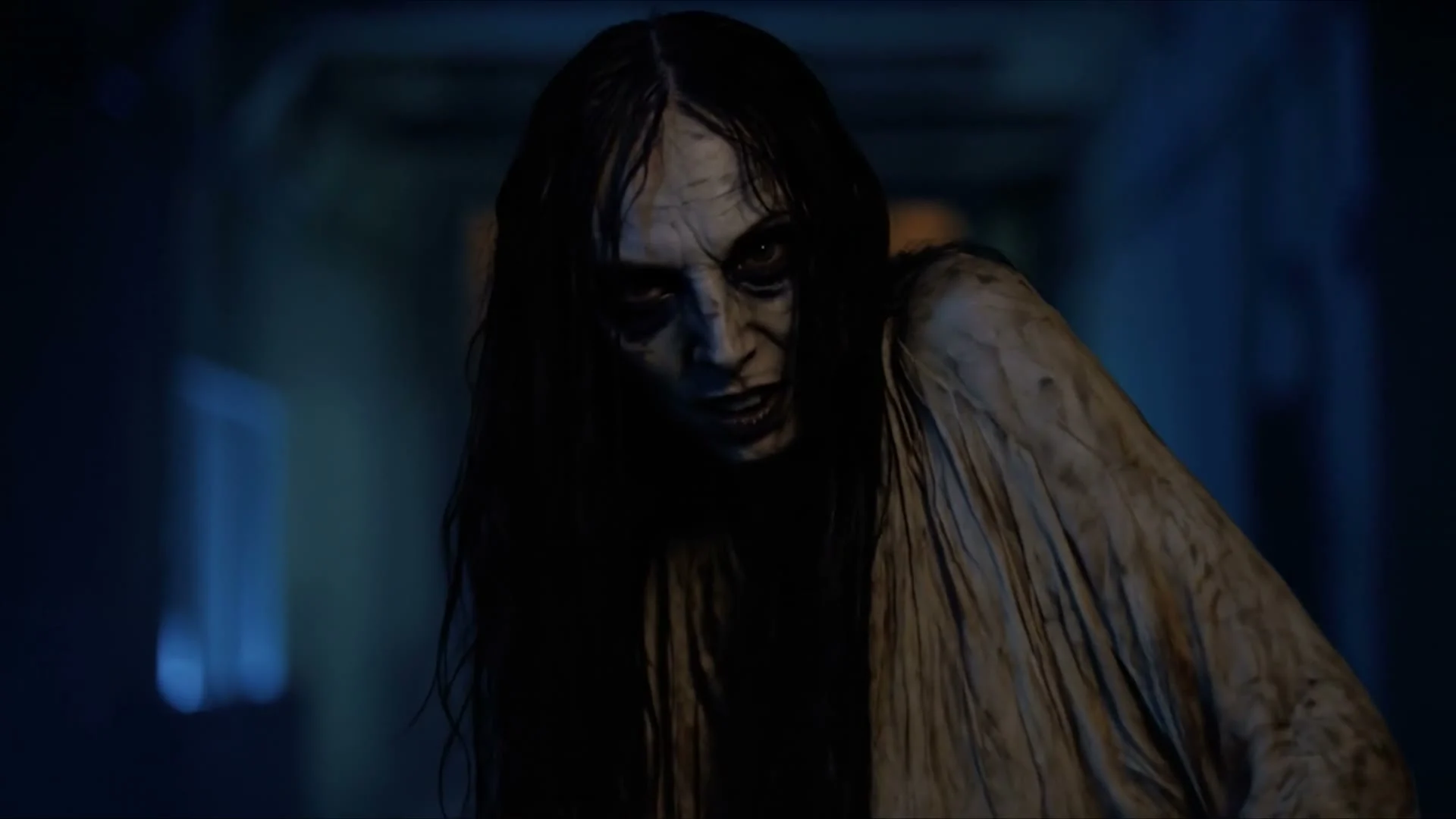 AI generated
The Figure in the Corridor0:38
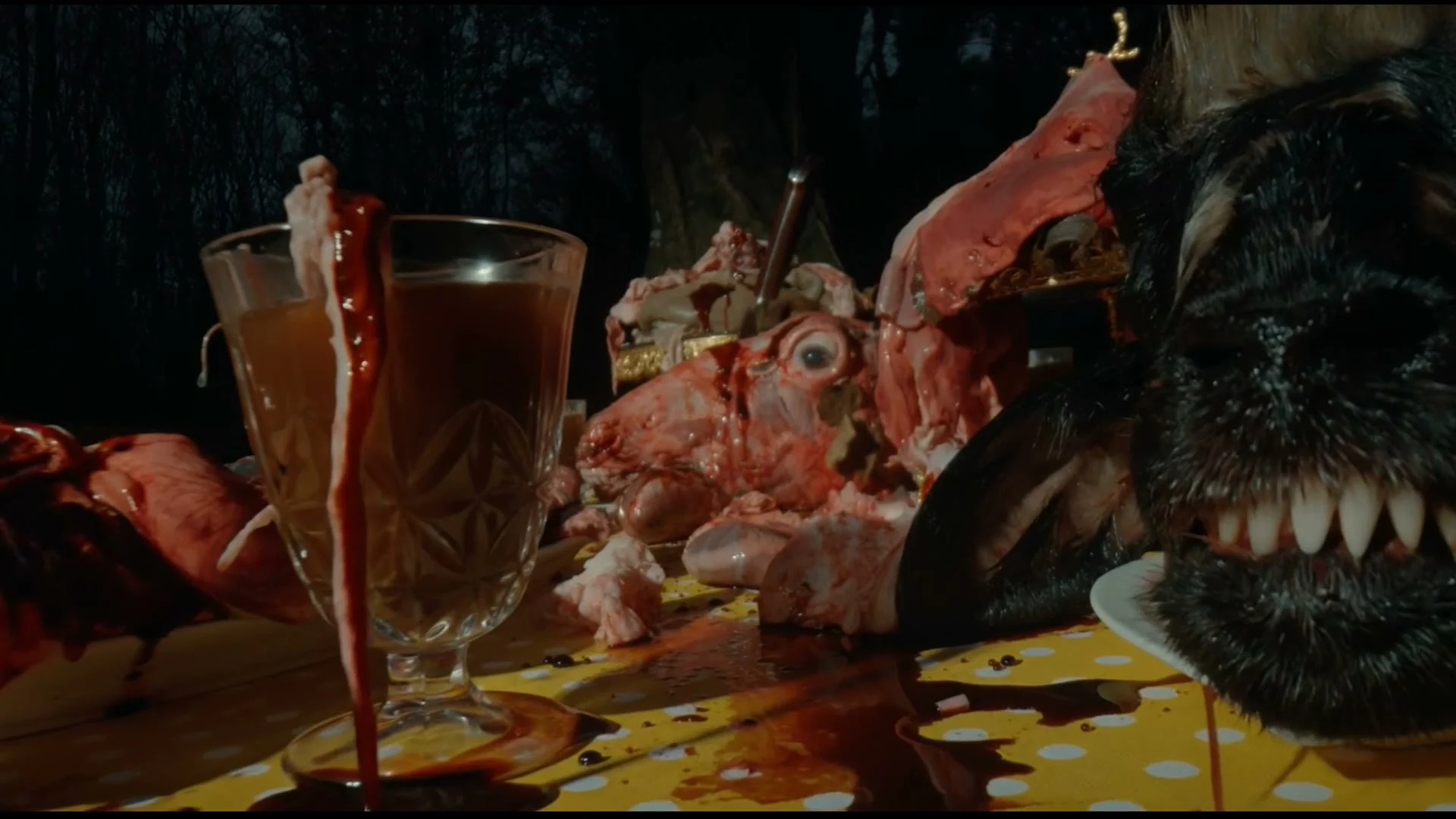
The Table Turns to Flesh0:05
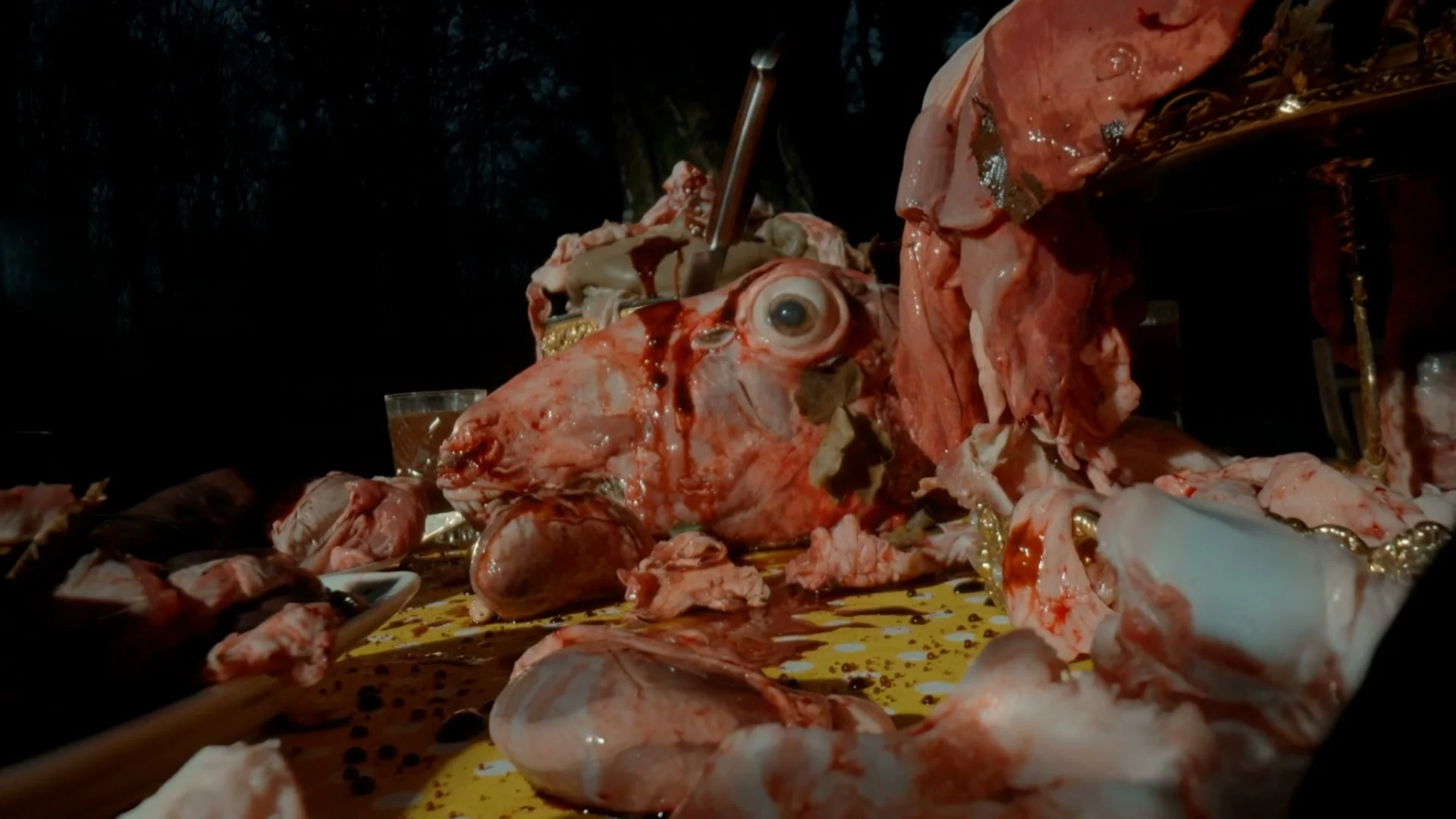
The Eye on the Table0:06
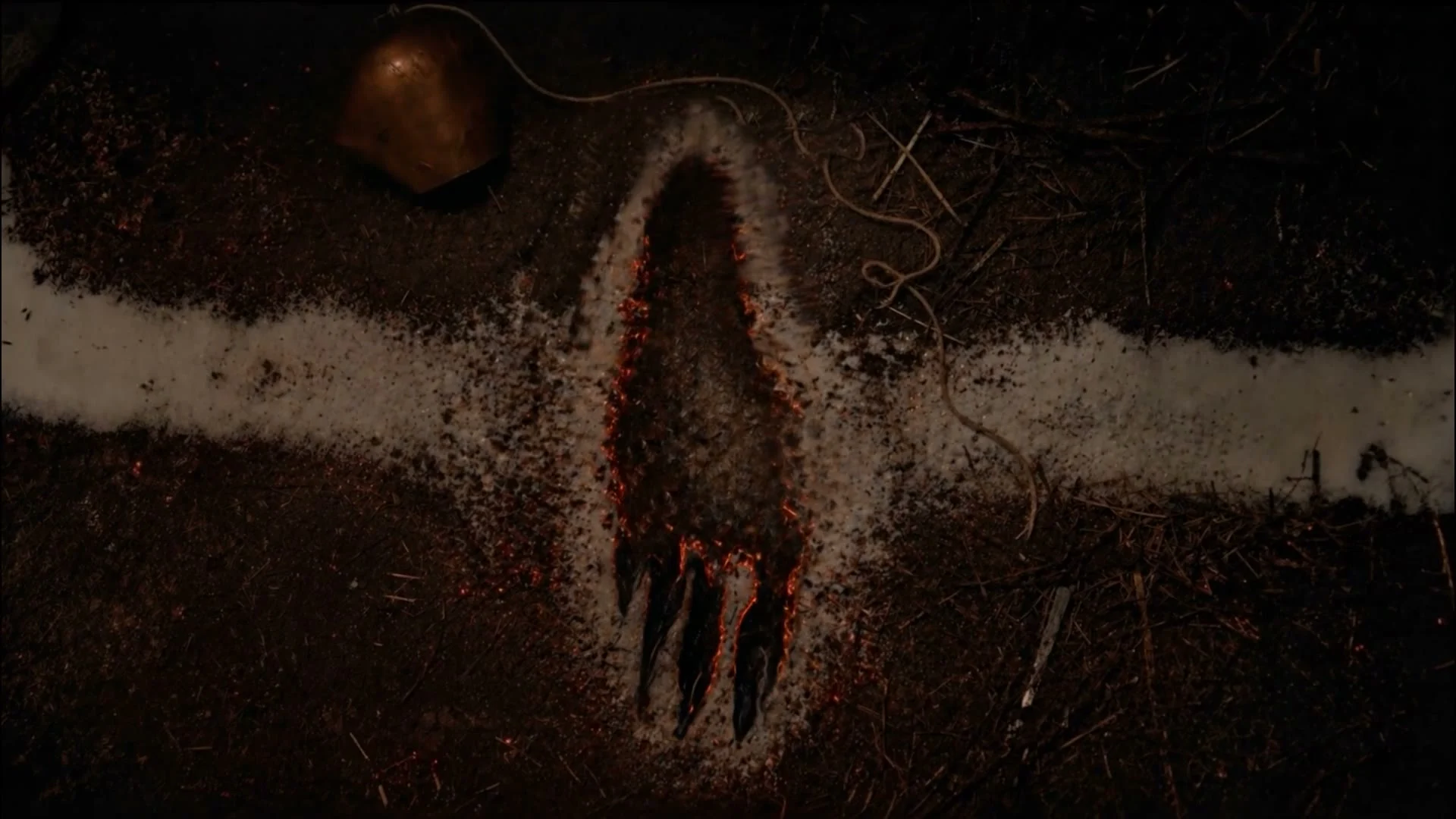
The Claw Print Crosses the Line0:05
03Frames
Frames from the production
5 framesAI sequences
04Brief
Why this project existed
 AI generated
Objective
Give a live-action horror film the sequences it could not shoot on set: the figure, the transformations and the supernatural marks, made to sit inside the film’s own footage.
The creative challenge
The central challenge was to create AI-generated horror scenes that felt naturally integrated into the live-action film. The atmosphere, lighting, pacing, camera language, environmental continuity, and psychological tension had to remain consistent with the surrounding footage.
Audience
Horror audiences in cinemas. On this page, directors and producers who need generated sequences that cut into live-action footage.
Constraints
Every shot had to match footage that already existed: its light, its weather, its lens and its pace. The production is confidential, so the film’s own scenes are not shown here; only the AI sequences are.
05Direction
Creative direction
 AI generated
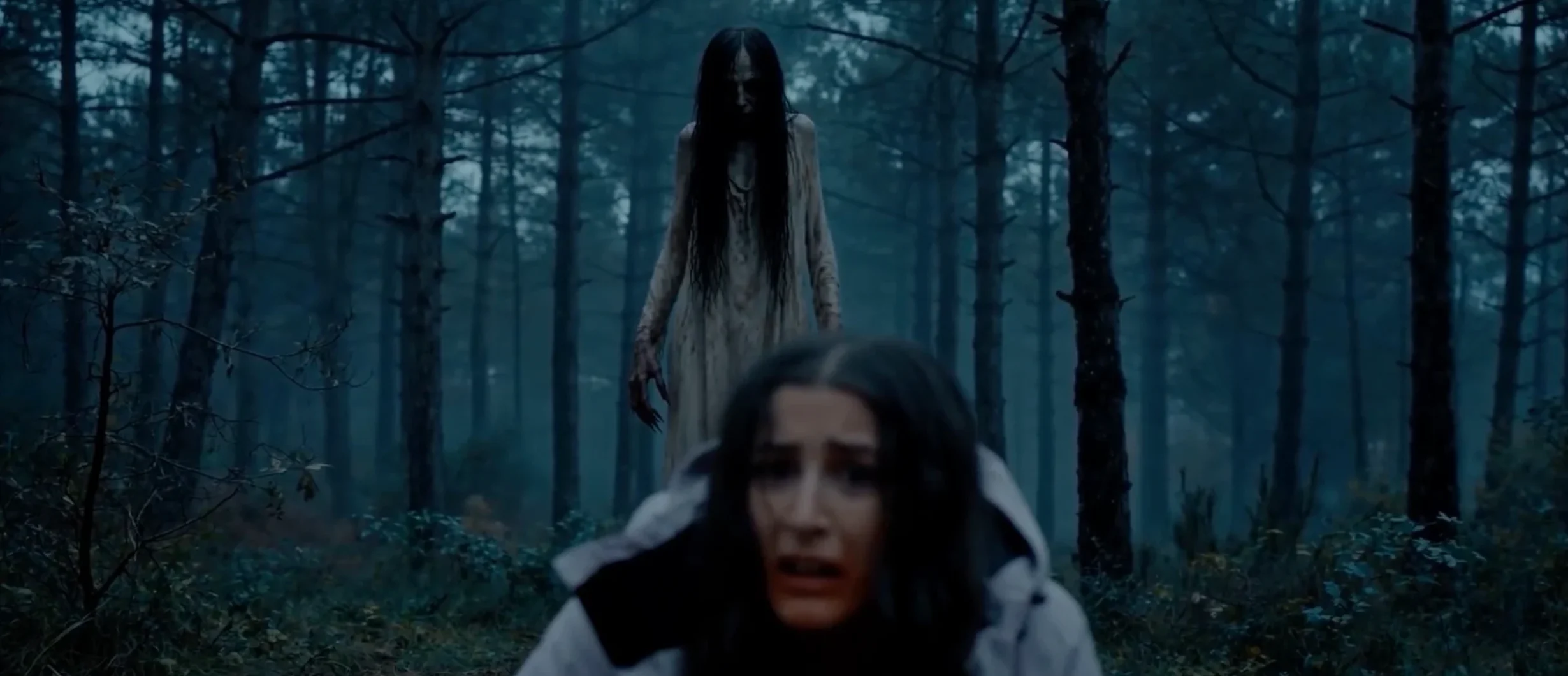
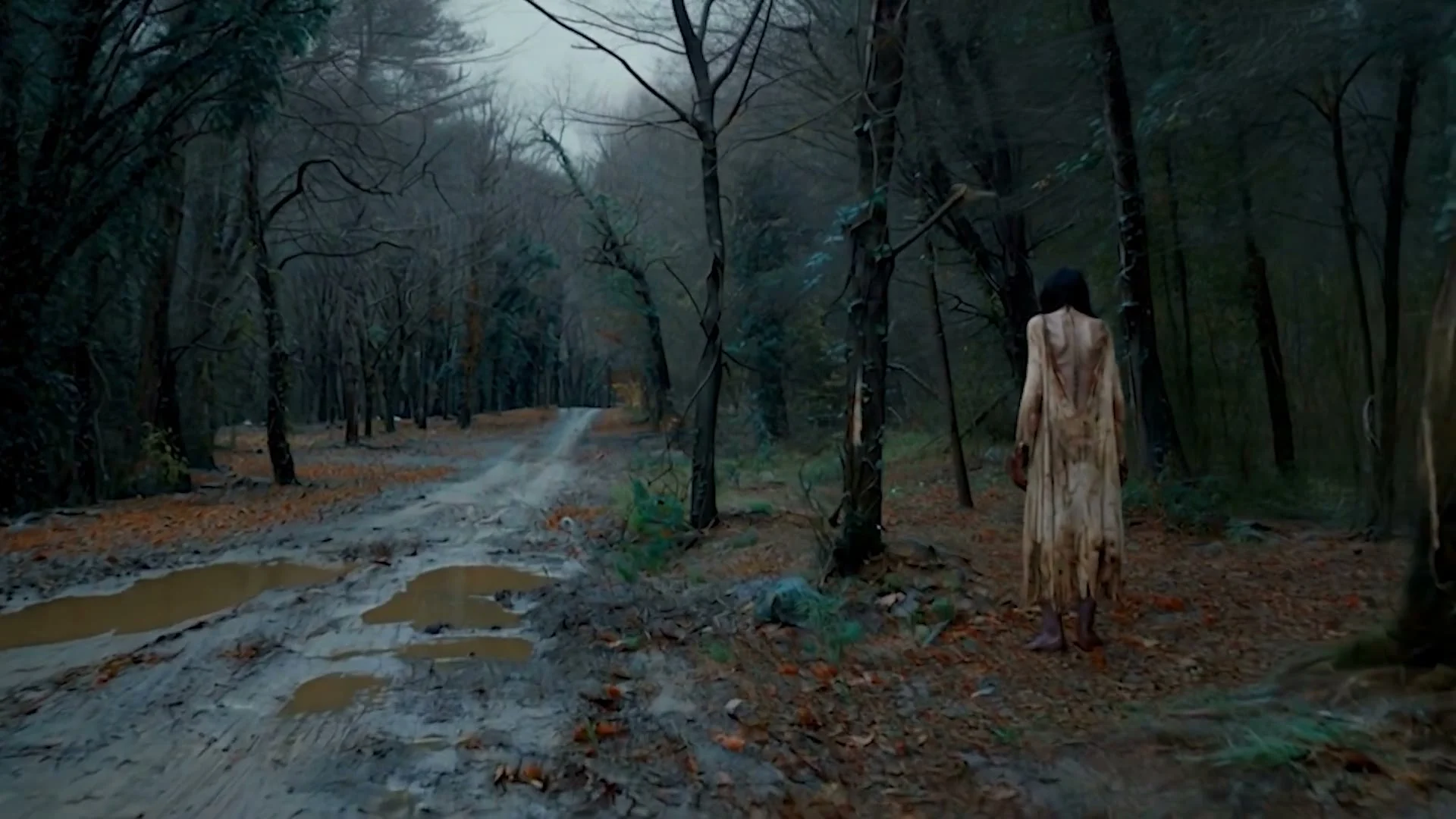
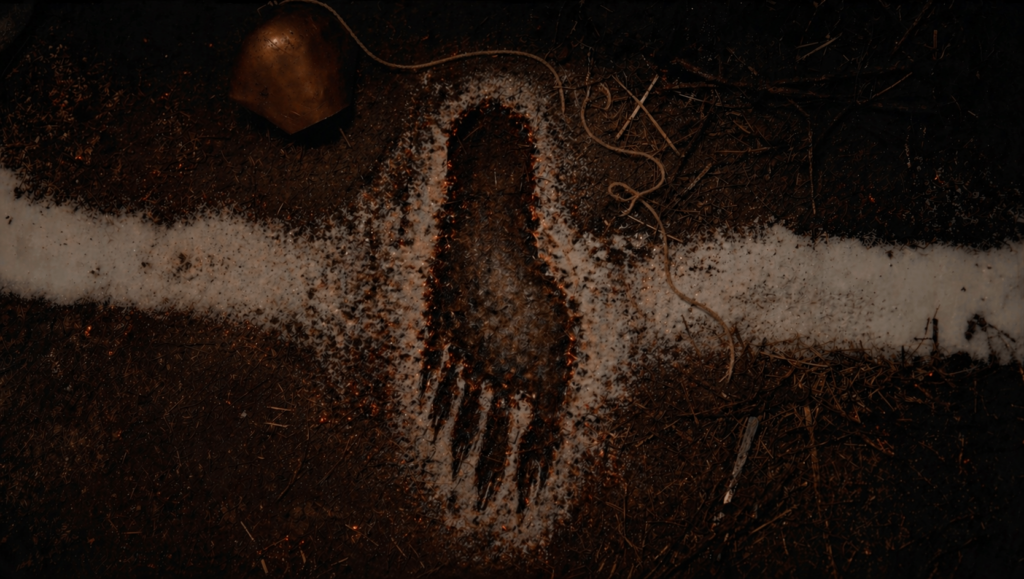
A woman in a white jacket stumbles on a forest path, gets up and runs. The fog closes behind her, and out of it walks a long-haired figure in a pale dress. She falls again; when she lifts her head, the figure is standing over her. Around that chase, the other sequences show what the forest does to everything it touches: a figure left at the roadside as a car drives away, a table of sweets rotting into raw flesh, a clawed print burning its way across a white line on the ground, and a shape walking out of a dark corridor toward a phone that is still filming.
The film is live action; these are the moments it could not shoot. Each sequence starts from something ordinary, a road, a table, a corridor, a line on the ground, and lets one wrong thing enter it. The horror is in the intrusion, so the generated element is at first the smallest part of the frame: a figure between the trees, a stain on a tablecloth, a crack of light.
Horror in a live-action film fails the moment the audience sees the seam. So I treated every AI sequence as part of the film’s own footage: the same grey light, the same wet ground, the same patience in the camera. The figure is more frightening when she simply stands at the side of the road and the car does not stop.
Visual style
Cold, overcast and wet. The forest is grey-green and drained of sun; the night scenes are lit from a single hard source. Colour is held back, so that when red arrives, on the table, in the claw print, it reads as a wound in the image.
Cinematography and camera language
The camera behaves like the film’s own: handheld and breathless in the chase, locked off and low on the table, a slow drift along the ground for the claw print. The forest road is one long take that lets the car leave before the eye finds the figure. The corridor is seen first on a phone screen, so the audience watches someone else watching.
Colour palette
- #22313AForest shadow, wet trunks and night corridors
- #6F8A8CFog, the grey-green air between the trees
- #A3473DFlesh red, the table and the claw print
Continuity rules
- The figure
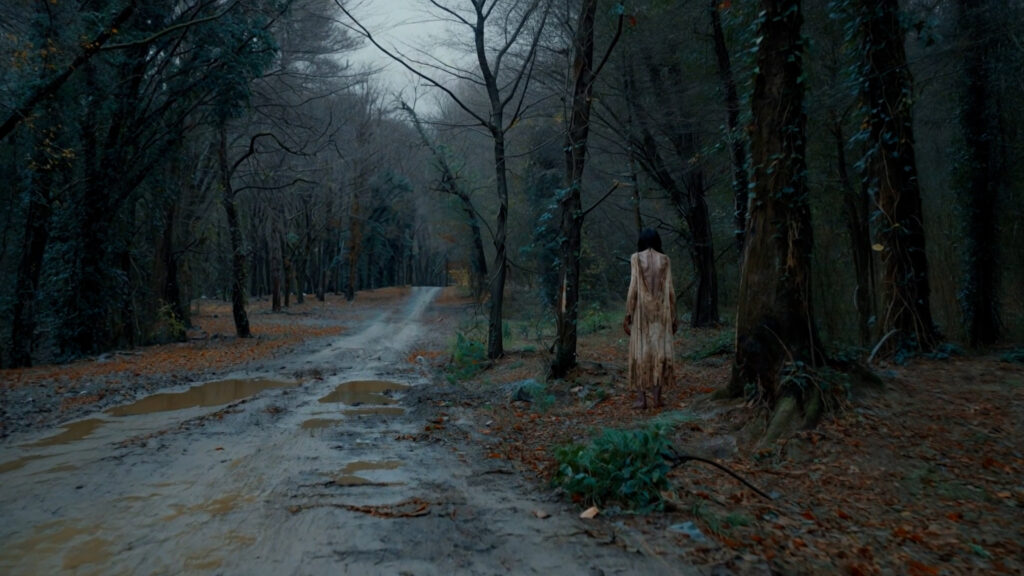
- Long black hair over the face, a pale stained dress, bare arms. She is the same on the road, in the forest and in the corridor.
- Light and weather
- Overcast daylight and wet ground in every forest shot; one hard light source at night. Each generated shot was matched to the live-action footage around it.
Characters
- The figure
- A long-haired woman in a pale dress. She never runs; she is simply closer each time.
- The woman in the white jacket
- The one being followed. Her fall and her face carry the chase.
Worlds and locations
- The pine forest
- Fog between straight trunks, a dirt path and wet leaves: the ground of the chase.
- The forest road
- A rutted track with puddles, where the car leaves the figure behind.
- The table in the trees
- A party table set in the night forest, where the food turns to flesh.
- The corridor
- A dark corridor lit from one window, seen first through a phone screen.
 AI generated
06
Craft
-
AI Art Direction
Visual language, forest atmosphere, supernatural tension, and cinematic direction developed specifically for the selected horror sequences.
-
AI Visual Production
Unsettling environments, supernatural imagery, compositions, and key visual frames created through a controlled generative workflow.
-
Cinematic AI Animation
Image-to-video animation, camera movement, environmental motion, pacing, and continuity developed for the film’s horror scenes.
-
Post-Production & Film Integration
Editing, visual effects, color refinement, sound synchronization, and seamless integration of the AI-generated scenes into the live-action film.
07Process
How it was made
 AI generated
Live action combined with generative AI · directed, edited and finished by people
We developed each sequence through a structured AI production workflow combining scene analysis, visual research, environment creation, controlled image generation, image-to-video animation, cinematic editing, visual effects, sound synchronization, and iterative refinement. Every shot was designed to support the emotional purpose of the scene and the wider film narrative.
Workflow
- 01
Scene analysis
The film’s own scenes came first: their light, tone and rhythm were studied before anything was generated.
- 02
Image development
Key frames for the figure, the forest and the transformations were generated and judged against the live-action footage.
- 03
Animation and camera
Approved frames were animated, with camera and environmental movement designed for each scene.
- 04
Edit, visual effects and sound
The shots were cut, colour-matched and synced to sound so that they sit inside the film.
What was human, what was generated
Blair Witch is a live-action film with generative AI inside it. People wrote, shot and edited the film. Güneş Polater directed and produced the AI sequences: he decided what each one shows and matched it to the footage around it. AI generated the pictures inside those sequences; the edit, the visual effects work, the colour match and the sound sync were done by hand at Leopati in Ankara, Türkiye.
Prompt approach
Each shot began from the film, not from a blank prompt. The scene it had to join set the light, the lens and the weather; the generated element was described only as what changes inside that frame. Every result was judged against the live-action footage on either side of it.
Problems and solutions
Problem A generated shot cut next to live action shows its seam: different light, different texture, different motion.
Solution Each sequence was built from the scene it joins and checked against it shot by shot; colour and sound were matched in post-production.
Problem A transformation, food turning to flesh, can look like an effect instead of an event.
Solution The table shot holds one framing from start to finish, so the change happens in front of the audience with no cut to hide behind.
08Sound
Music and sound
 AI generated
Sound was synced to picture in post-production, so each sequence carries the ambience of the scene it belongs to.
09Outcome
Release and reception
 AI generated
The sequences were delivered for the film’s edit. Shown here are the forest chase and five further shots from the production: the figure on the road, the corridor, the table that turns to flesh, the eye on the table and the claw print.
10Credits
Who made it
- Director
- Güneş Polater
- Producer
- Güneş Polater
- Production company
- Leopati
11Questions
Questions about this project
What did Leopati make for Blair Witch?
The AI visual effects sequences of the live-action horror film: the figure in the forest and on the road, the table that turns to flesh, the claw print and the corridor scene. Güneş Polater directed and produced them.
Is Blair Witch an AI film?
No. It is a live-action film; Leopati produced the generated sequences inside it. This page shows only those sequences.
Who directed the AI sequences in Blair Witch?
Güneş Polater, the founder of Leopati, directed and produced them.
How were the AI shots matched to the live-action footage?
Each sequence was designed from the scene it joins, its light, weather and camera, then colour-matched and synced to sound in post-production.
Can Leopati produce AI visual effects for another film?
Yes. Leopati produces AI visual effects sequences that cut into live-action footage, for horror and for other genres.
Q&A
For the curious: questions about Blair Witch
How was the fear in the woods made? From the creative process to the technical detail, ask what you are curious about. Leopati answers, and your question and its answer take their place here without your name.
Frequently asked questionsAsk a question
AI Film
- AI generated
The Man in the Cauldron
 AI generated
THYMOS
 AI generated
Zarafel AI Visual Effects
 AI generated
St. Nicholas of Myra
Need generated sequences that sit inside your footage?
Start a similar project