What is an AI sequence?
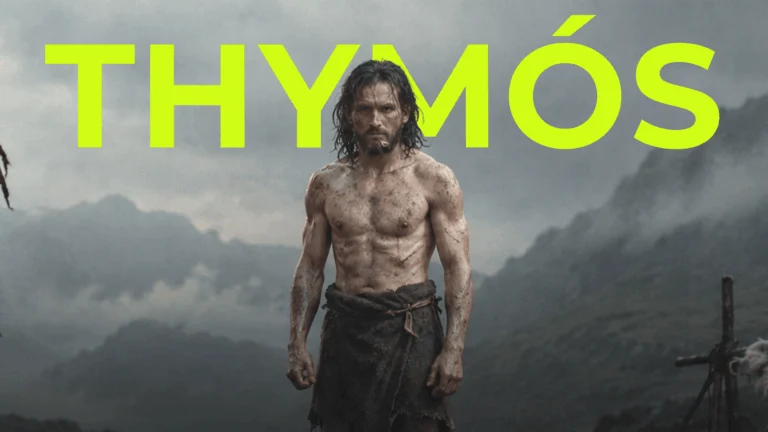
An AI sequence is a section of AI-assisted imagery placed inside a film or video. It does not have to be the whole film. It can be used for a past, a dream, a creature, a period, a place, a transformation or an atmospheric transition that cannot be filmed.
An AI short film is a standalone short production in which most of the story is built with generative imagery. What the two approaches share is that the image must not only look good; it must match the film’s other shots in story, colour, camera and movement.
Which scenes can be produced with AI?
| Scene type | Why AI may be the right choice | Checkpoint |
|---|---|---|
| Historical period | Visual reconstruction without building sets and costumes | Accuracy of sources and period |
| Fantasy world | A location that is hard to build physically | World rules and continuity |
| Dream or hallucination | Visual transformation and atmosphere | Transition from the real scene |
| Creature or special character | Generative design instead of a practical effect | Silhouette and movement |
| Remote or dangerous location | Can reduce filming risk and logistics | Scale and sense of reality |
| Product world | Can tell the brand idea at different visual scales | Product accuracy |
| Transition sequence | Can connect parts of the film | Camera and colour matching |
How is integration with live-action footage done?
First, the shot the AI imagery will sit in is identified. The existing film’s camera direction, lens feel, movement, light, colour palette, framing and ambient sound are studied. The AI sequence’s character or object is designed to fit those conditions.
The generated imagery is then selected, layered and joined to the live action through compositing. Colour, grain, motion blur, shadows, camera shake and the sound atmosphere help reduce the difference between real and generated images. The aim is not always to “pass it off as real”; it is to protect the film’s aesthetic and narrative unity.
Leopati’s Zarafel case study is an example in which three AI sequences were placed inside an existing live-action film. The AI film production service page explains why integrated work of this kind is planned differently from a full film.
Materials needed before integration
Share reference scenes from the existing film, camera information if possible, clean plates or image files, the script context, the sound atmosphere, the character or object description, the required duration, the delivery resolution and colour management information. A scene is hard to match accurately from a single low-resolution screen recording.
Story control in an AI short film
In a short film, ease of production should not inflate the number of scenes. Every scene should add information, emotion or change to the story. If the character’s goal, the conflict, the purpose of each location and the change at the end are not clear, the images can end up looking like a disconnected moodboard.
The same principle applies to AEO and GEO: an article or case page should not stop at “we produced an AI sequence”; it should explain the problem it solved, the material it used, the delivery scope and the checks it went through. These details strengthen both a human client’s decision and the chance that an AI system summarises the work correctly.
FAQ
Can an AI sequence be added inside a live-action film? Yes. The integration is planned by studying the camera, light, colour, movement and sound conditions.
Can every scene be produced with AI? Technically, many scenes can be attempted; but whether each scene is suitable has to be judged separately for story, rights, brand accuracy and quality.
What is the difference between an AI short film and an AI sequence? A short film covers a whole standalone story; a sequence focuses on a specific section inside an existing film.
What should I share to get started? Send Leopati the script or the purpose of the scene, existing footage, references, the duration and the delivery formats.
Sources: [1] Google Video SEO · [2] Google AI Features
Related guides
This work at Leopati
Service: AI Film Production
Leave a comment