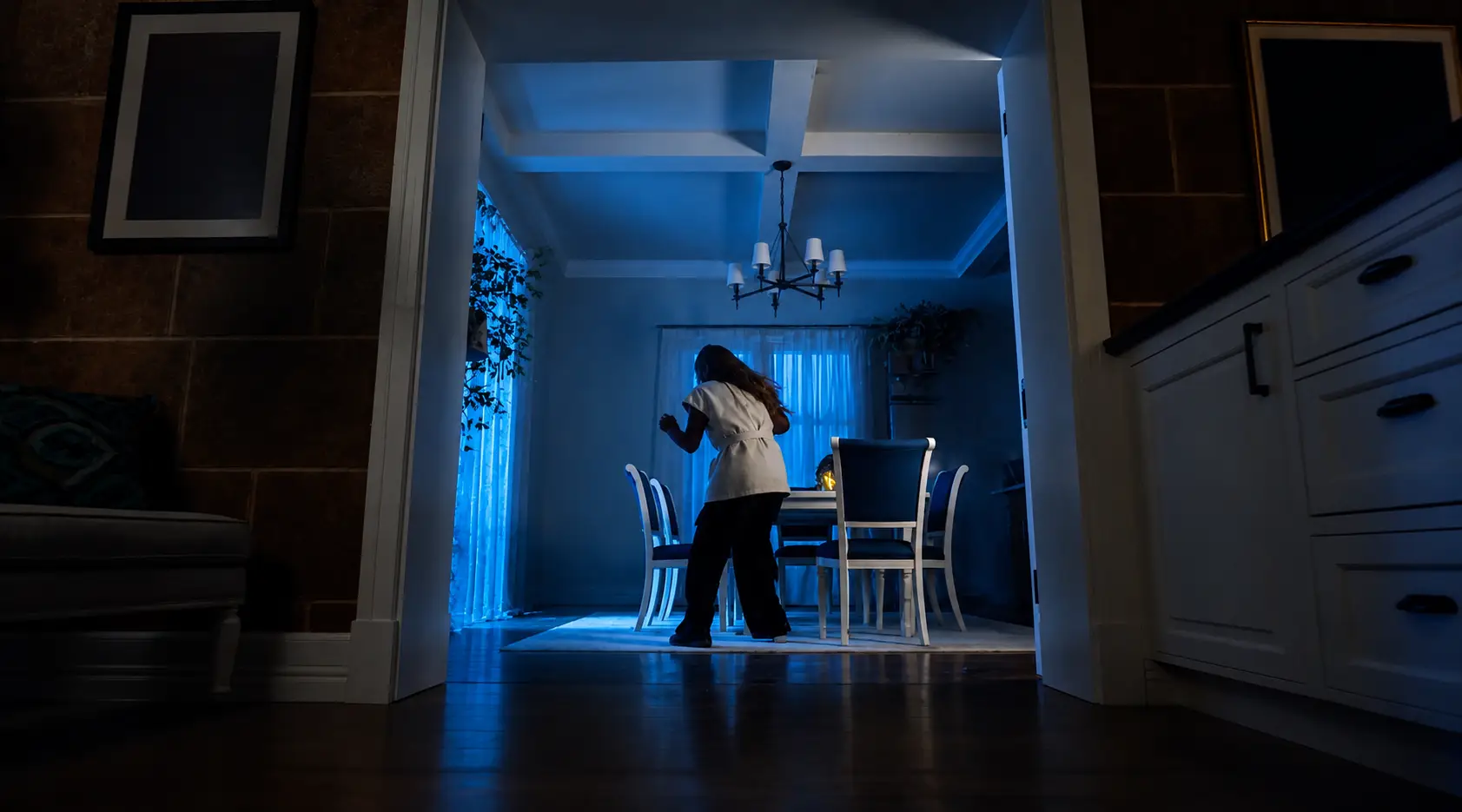
Short answer: performance in an AI film is directed through references and selection rather than rehearsal. The director defines the emotional state of each shot, supplies reference expressions and eyelines, keeps the acting restrained, and chooses takes so that the character’s feeling develops continuously across the edit.
The problem: generated faces overact
Left to itself, a model tends toward readable, exaggerated expressions: wide eyes for fear, broad smiles for joy. On a cinema screen that reads as fake. Most of the work of directing AI performance is pulling it back — toward the small, held expressions that audiences believe.
Tools a director actually has
- Reference performance: a photographed or filmed expression from a real person, used as the target for a shot.
- Eyelines: where the character looks decides who they are talking to and what they feel; wrong eyelines break scenes faster than wrong faces.
- Micro-changes over a shot: a breath, a jaw tightening, a blink held too long — one small change per shot is usually enough.
- Selection: generating several takes and choosing the one whose feeling fits the previous and next shot, not the one that is most striking on its own.
Continuity of feeling
An audience follows an emotional line, not individual frames. A character cannot be devastated in one close-up and neutral in the next unless the story says so. We mark each shot on the shot list with an emotional state and check the rough cut for jumps the way an editor checks for continuity errors.
When silence does the acting
Some of the strongest AI film moments are the ones where the face does almost nothing and the edit, sound and framing carry the emotion. In THYMOS, the character’s rage is shown mostly through stillness, breath and what he watches — a choice that suits both the story and the medium.
Working with us
Performance is one of the areas where direction makes the biggest difference between a generated clip and a film. See how we approach it on our AI film production page.
Frequently asked questions
Can AI characters give believable performances?
Yes, when the performance is directed: restrained expressions, correct eyelines and takes chosen for emotional continuity. Undirected generation tends to overact.
Do you use real actors as reference?
Often. A reference expression or short filmed performance gives the model a precise target and keeps the emotional tone consistent between shots.
What is emotional continuity?
It means the character’s feeling develops logically from shot to shot. We track the intended emotional state of each shot and fix jumps in the rough cut.