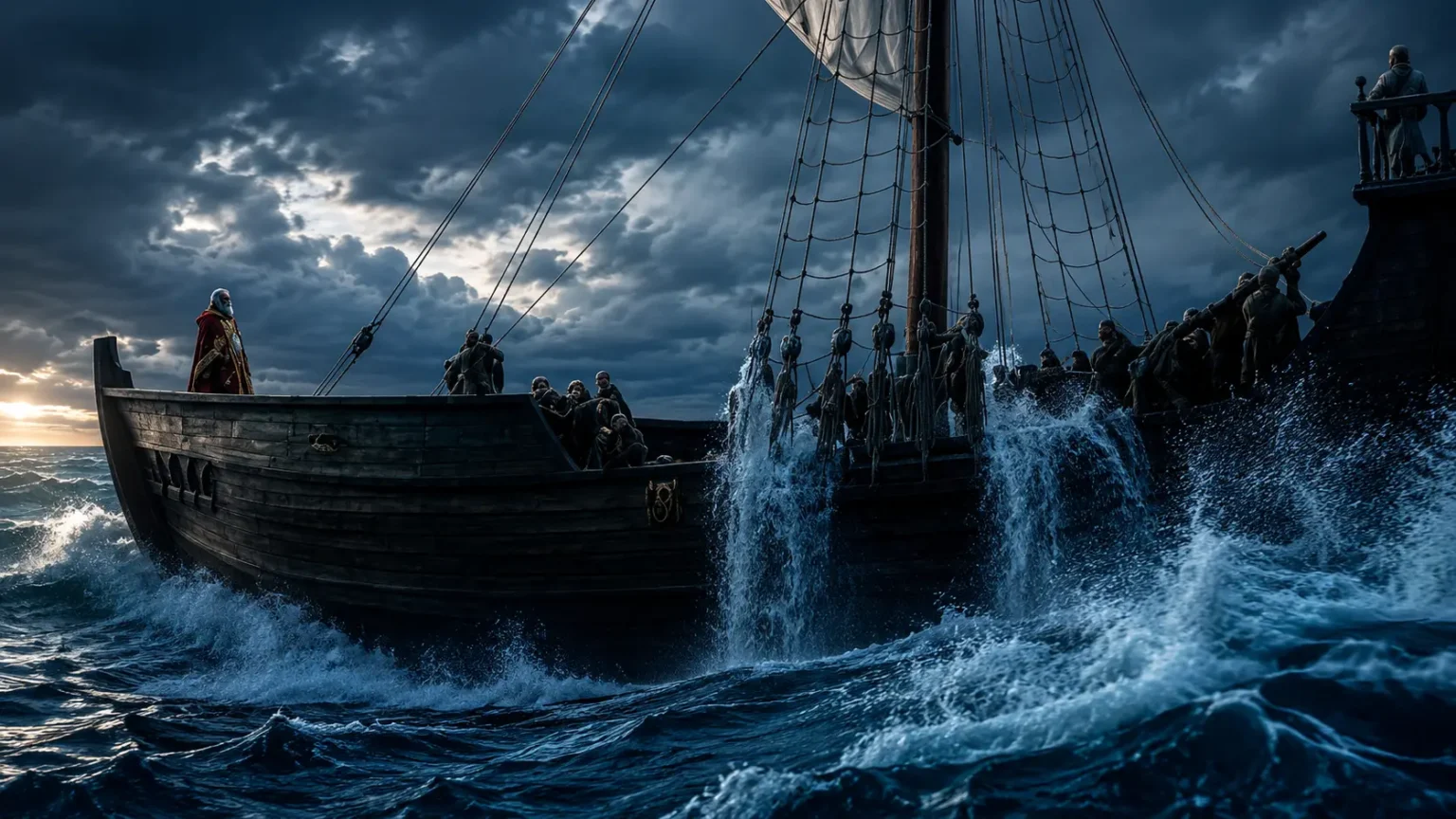
ReconstructionSt. Nicholas of MyraAI biography film · Leopati
DOCAI documentaries · Ankara — worldwide
AI Documentary Production
Wildlife, people, history, books, films — real subjects, researched first.
Leopati produces documentaries with generative AI under human direction: research, script, visual approach, production and post-production. Nature and wildlife, animals, people and biography, history, science, culture and art, books and cinema, travel, social subjects and brand or institutional stories.
- StudioLeopati — AI film production studio
- BaseAnkara, Türkiye
- ReachWorking worldwide
- ApproachResearch-led, director-led
01The short answer
What is AI documentary production?
AI documentary production is the making of a non-fiction film in which some or all of the images are created with generative AI, under human direction and on top of real research. The subject, the facts and the argument come first; AI is the camera for what cannot be filmed.
A documentary is more than narration over generated images. The workflow starts with research and source verification, then story structure and narration. Archive material is integrated where it exists; where it does not, scenes are reconstructed with AI and presented as reconstruction. Editing, a fact review and sound complete the film.
What AI is used for
- 01Reconstruction — events, places and people no camera recorded
- 02Visualisation — processes, scales and ideas that are hard to film
- 03Atmosphere and transitions — between archive, interviews and narration
- 04Narration, sound and music — where the project calls for them
02Subjects
What can an AI documentary be about?
Almost anything real. Documentary is a wide field, and the subject decides the form — what has to be shown, what exists as footage or archive, and what has to be reconstructed.
Wildlife and nature
Wild animals, habitats, seasons and oceans — including behaviour that is rarely seen, shown alongside real footage where it exists.Nature documentary · wildlife film
Animals
A species, a single animal, or the people who live and work with them.Animal documentary
People and portraits
A person, a family, a profession or a community, told with the people themselves.Portrait · human-interest documentary
Biography
A life told in scenes, built on documents, memoirs and testimony.Biographical documentary
History and archaeology
Periods, events and places rebuilt from sources, with the limits of the evidence stated.Historical documentary · reconstruction
Science and technology
Processes too small, too slow, too distant or too large for a camera.Science documentary
Culture and traditions
Crafts, rituals, food and ways of life, told with those who keep them.Cultural documentary
Art and music
An artist, a work or a movement — the making, not only the result.Art documentary · music documentary
Books and literature
An author, a book and the world it describes — or a written work adapted for the screen.Literary documentary · book adaptation
Film and cinema
The story of a film, a director or a period of cinema, and how a production was made.Making-of · film history
Travel and places
A route, a city or a landscape — its past and its present side by side.Travel documentary
Society
Issues that need context, careful sourcing and a clear point of view.Social documentary
Brands and institutions
Founding stories, anniversaries and the archives of a company or an institution.Corporate documentary · brand film
These are examples, not a list of limits. Subject, format and narrative approach are worked out per project from the brief and the material that exists.
03A closer look
How AI is used, subject by subject
The tool is the same; the job is different in every kind of film. Four examples of where generative AI earns its place — and where it does not.
AI wildlife and nature documentaries
Real animals are filmed by patient crews, and that footage is irreplaceable. AI is useful for what a camera cannot bring back: behaviour described by researchers but rarely recorded, extinct species, a habitat as it was, or change over centuries. Those scenes are built from the science and shown as reconstruction, next to real footage where you have it.
Documentaries about people
A life is made of moments nobody filmed. From letters, photographs, memoirs and interviews, the key scenes of a life can be rebuilt with one consistent character from youth to old age.
Historical documentaries and reconstructions
Historical films have always used reconstruction. AI makes it possible to show a street, a ship or a ceremony in period detail without building it — provided the research comes first and the film is honest about what is known and what is inferred.
Documentaries from books and about films
A non-fiction book, a memoir or a novel’s real background can become a documentary: the author’s argument is the script’s spine, and the world on the page becomes the image. The same applies to films about cinema itself. See book-to-film production.
04Script and form
How is an AI documentary written?
A documentary is written in two columns: what is seen, and what is heard. Every image in the left column is marked for what it is — filmed, archive or reconstruction — before a single frame is generated.
The same subject can be told in different forms. The form is chosen with you at the script stage.
- Filmed
- Archive
- Reconstruction
Narration-led
A written narration carries the story; images are built to it scene by scene.
Archive and reconstruction
Existing photographs, documents and footage are combined with AI reconstructions, each presented as what it is.
Hybrid with live action
Interviews or location footage you have shot, or will shoot, joined with AI sequences matched to their camera, light and grade — the work of our AI VFX service.
| Picture | Sound |
|---|---|
| Dawn. A frozen river valley, mist on the water. Reconstruction | NARRATOR: Every film begins with a question the camera could not answer. |
| Hands turning the pages of a field notebook. Archive | NARRATOR: The answers are in the sources — notes, letters, records. |
| A researcher at a desk, speaking to camera. Interview · filmed | RESEARCHER (sync): What we know, and what we can only infer. |
| The valley again, centuries earlier. Reconstruction | NARRATOR: Where no image exists, we build one — and say so. |
An illustration of the format, not an excerpt from a produced film.
05On-screen honesty
How does an AI documentary stay a documentary?
Generated images can mislead. A documentary earns trust by being clear about what the viewer is looking at. This is how we work.
- Research first
Sources before scenes
Sources are gathered and checked before production; what is known, what is disputed and what is unknown is written down.
- Reconstruction
Reconstructions are presented as reconstruction
Where no footage or archive exists, scenes are built with AI and presented as reconstruction — not passed off as recordings.
- Archive
Archive is real archive
Archive material is integrated where it exists and shown as what it is.
- Fact review
A review before delivery
The finished film is checked against the research before it is delivered.
06Idea to delivery
How does a project move from idea to delivery?
The stages below are the usual order. Their weight changes with the project: a historical film is heavy on research, a brand story on interviews and archive.
Idea and scope
Subject, audience, length and where the film will be shown.
Research and sources
Sources are gathered and checked; what is known, what is disputed and what is unknown is written down.
Script and structure
Story structure and narration; the form is chosen.
Visual approach
Look, period detail and characters are fixed before production, so scenes stay consistent.
Production
Scenes are generated and directed shot by shot; archive material is integrated where it exists.
Edit, narration, sound
Edit, voice, sound design, music and colour.
Fact review
The finished film is checked against the research before it is delivered.
Delivery
The master and the versions agreed in the brief.
On timing and cost: both depend on length, the number of scenes and how much research the subject needs, and are set once the brief is fixed. There is no fixed price list. A feature-length film is built as a milestone production — each stage approved before the next begins.
07Formats and delivery
What can be delivered?
Deliverables depend on the scope agreed in your project contract. A typical production can include:
- A short documentary or a feature-length film built in milestones
- Narration, sound design and music
- Edit, colour and the release-ready master
- Trailers and short cuts for social media
- Subtitles and aspect-ratio versions
08Who it is for
Who is this for?
Anyone with a real story and the right to tell it:
- Producers, directors and production companies
- Museums and cultural organisations
- Publishers, authors and researchers
- Brands and institutions with a history to tell
- People with a personal or family story
09Related work
Work that shows the approach
We do not yet have a published feature documentary to show. The closest published work is a historical biography built the same way — research first, then scenes.
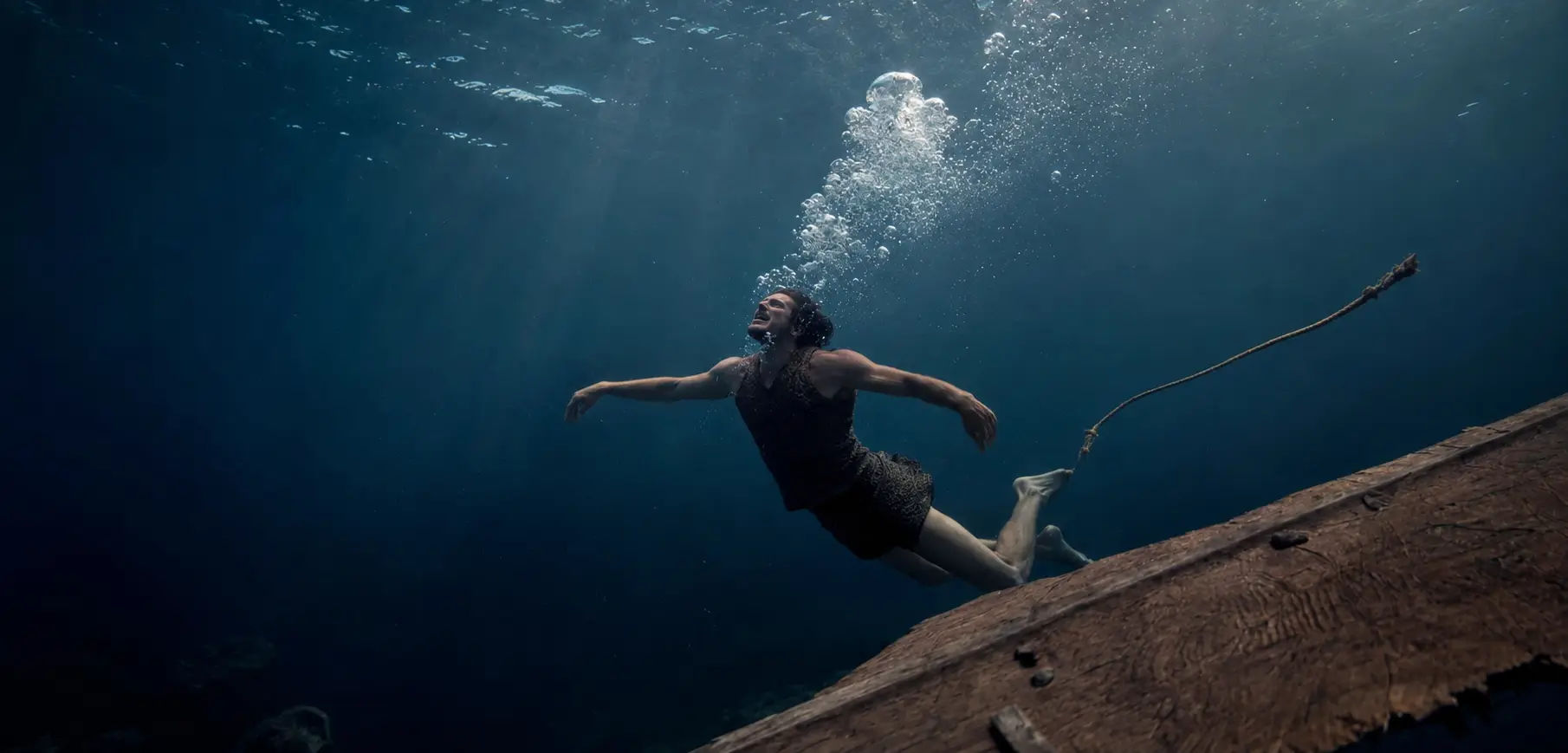 Reconstruction
AI biography film · historical reconstruction
St. Nicholas of Myra
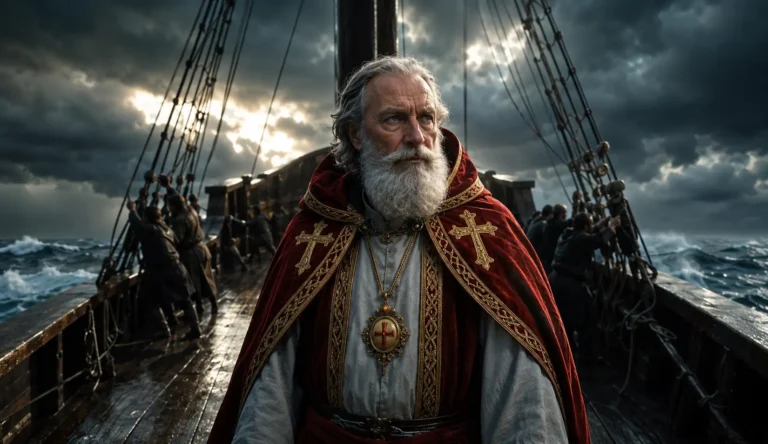
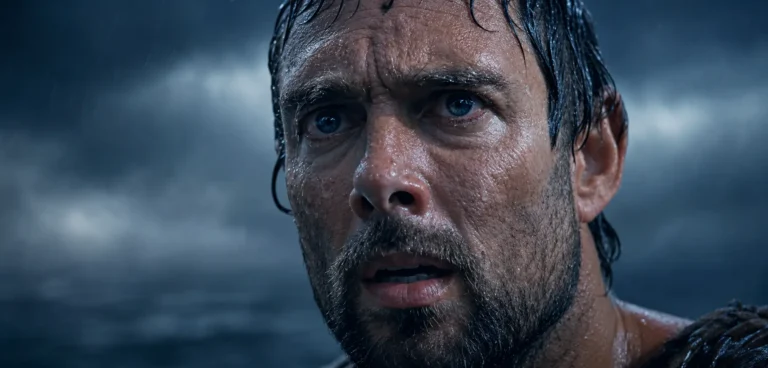
A historical narrative in four historically informed scenes, with one consistent central character, AI animation, voice and sound design. The research came before the generation, and the historical boundaries were set before a single frame existed.
Case study — St. Nicholas
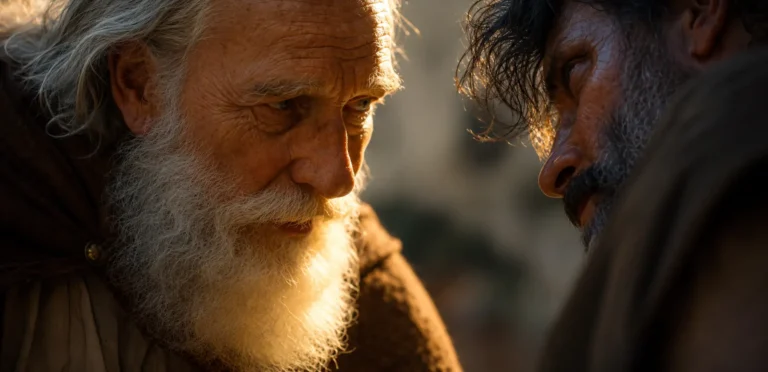
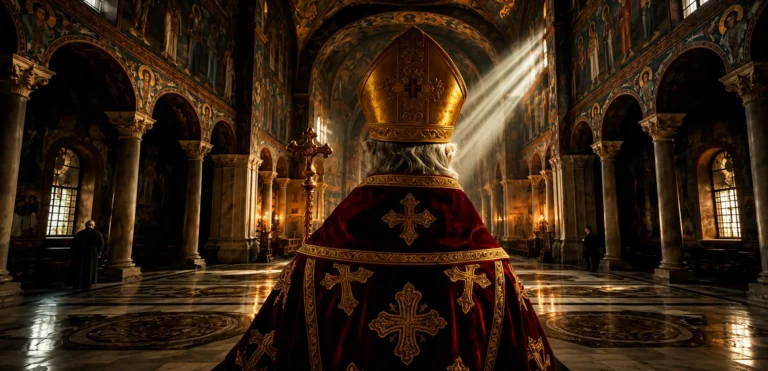
When a documentary is released with the client’s permission, it will appear here automatically.
More film work
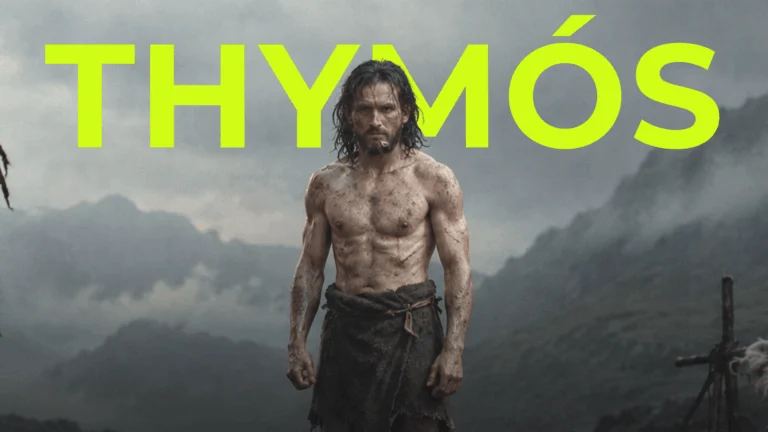
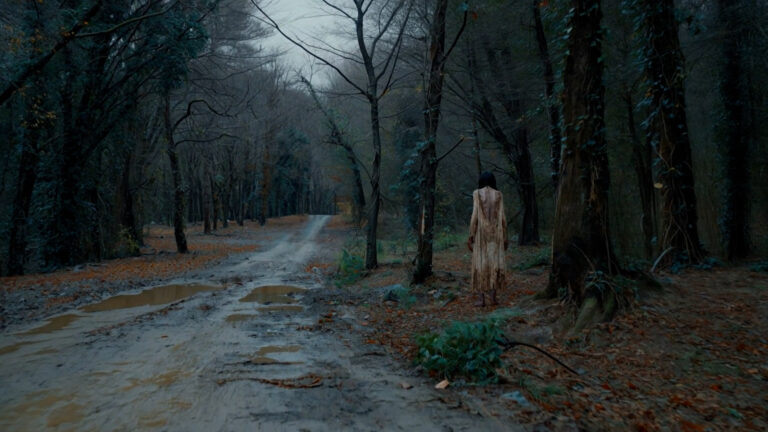
10Questions
AI documentary production — common questions
How is a documentary made with AI?
Research and source checking come first, then script and narration. Scenes that cannot be filmed are generated and directed shot by shot, archive material is integrated where it exists, and the film is finished with edit, sound and a fact review.
Which subjects can you take on?
Nature and wildlife, animals, people and biography, history, science, culture, art and music, books, cinema, travel, social subjects and brand or institutional stories are typical — but it is not a closed list. Each subject is assessed from the brief and the material available.
Can AI make a wildlife or nature documentary?
AI can reconstruct what cannot be filmed — rarely seen behaviour, extinct species, a habitat as it once was — from the science, shown as reconstruction.
Is an AI documentary still a documentary?
Yes, when the facts come from research and the film is clear about what is filmed, what is archive and what is reconstructed. Reconstruction has always been part of documentary; the obligation is to present it as such.
How do you keep an AI documentary accurate?
Sources are gathered and checked before production, the limits of the evidence are written down, reconstructed scenes are presented as reconstruction, and the finished film is reviewed against the research.
Can you make a documentary about a person, a book or a film?
Yes. A life can be told in researched scenes with one consistent character; a book or memoir can be adapted with the author’s argument as the spine; and a film about cinema can combine archive with reconstruction.
Can you use our archive, photographs or interviews?
Yes. Archive material is integrated where it exists, and AI sequences can be matched to live-action interviews or location footage — the same work as our AI VFX service.
How long does an AI documentary take?
It depends on length, the number of scenes and the research needed; the schedule is set once the brief is fixed. As a reference, St. Nicholas — a 1:33 biography in four scenes with narration — took 27 days.
Can you make a feature-length documentary?
Yes, as a milestone production: development and script first, then scenes in sequences, reviewed, edited and scored. Each milestone is approved before the next begins.
How is it priced?
There is no fixed price list. Each film is quoted from its brief: finished runtime, number of scenes, the research required and the versions delivered.
How do we start?
Send a short description of the subject, what material you already have, the length you have in mind and where the film will be shown. We reply to every brief personally.
11Your subject
Tell us the story. We’ll reply with how we would film it.
What to put in your message
- The subject, in a few sentences
- What exists already — sources, archive, interviews, a book
- The length and where it will be shown
- Your date, if there is one
A first conversation costs nothing and commits you to nothing. We reply to every brief personally.
Or write to agency@leopati.com.