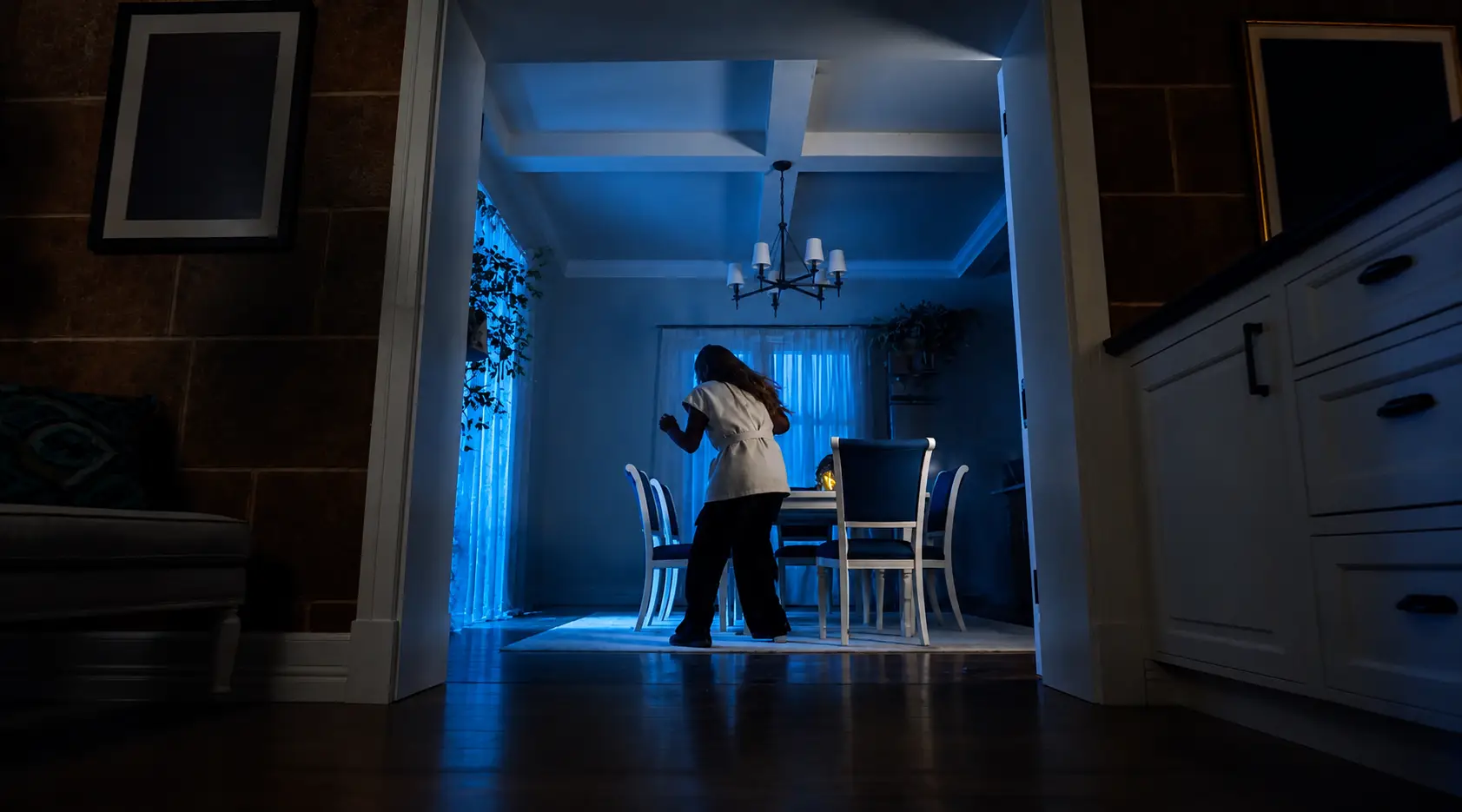
Short answer: AI reconstructions can show what no archive holds — a city before it was destroyed, a moment nobody filmed. In a documentary they are only acceptable when the audience knows they are reconstructions: they must be clearly labelled, grounded in sources, and visually distinct from real archive footage.
What reconstructions are good for
- Places that no longer exist or were never photographed.
- Historical events before cameras, or events that happened off camera.
- Processes and scales that are hard to explain with talking heads: how a structure was built, how a flood spread.
The line not to cross
A reconstruction must never pass as evidence. Generated images of real people saying or doing things they did not do, or images styled to look like authentic archive, can mislead even when the intention is good.
Practices that keep trust
- Label on screen. A consistent “reconstruction” marker, not only a line in the credits.
- Keep a visual distinction. A different grade, frame or texture from real archive.
- Source every detail. Costume, architecture and objects based on historians’ or experts’ input, documented in a research file.
- Avoid real faces of identifiable people unless there is a clear editorial reason and consent where needed.
Related work
Our St. Nicholas biography project shows how research informs historical imagery. For documentary and hybrid productions, see our AI film production page.
Frequently asked questions
Can documentaries use AI-generated images?
Yes, as reconstructions — clearly labelled, researched and visually distinct from real archive footage.
Is it ethical to recreate real people with AI?
It needs a strong editorial reason, consent where applicable, and clear labelling. Many productions avoid identifiable faces altogether.
How should reconstructions be labelled?
With a consistent on-screen marker whenever they appear, plus a distinct visual treatment and a note in the credits.