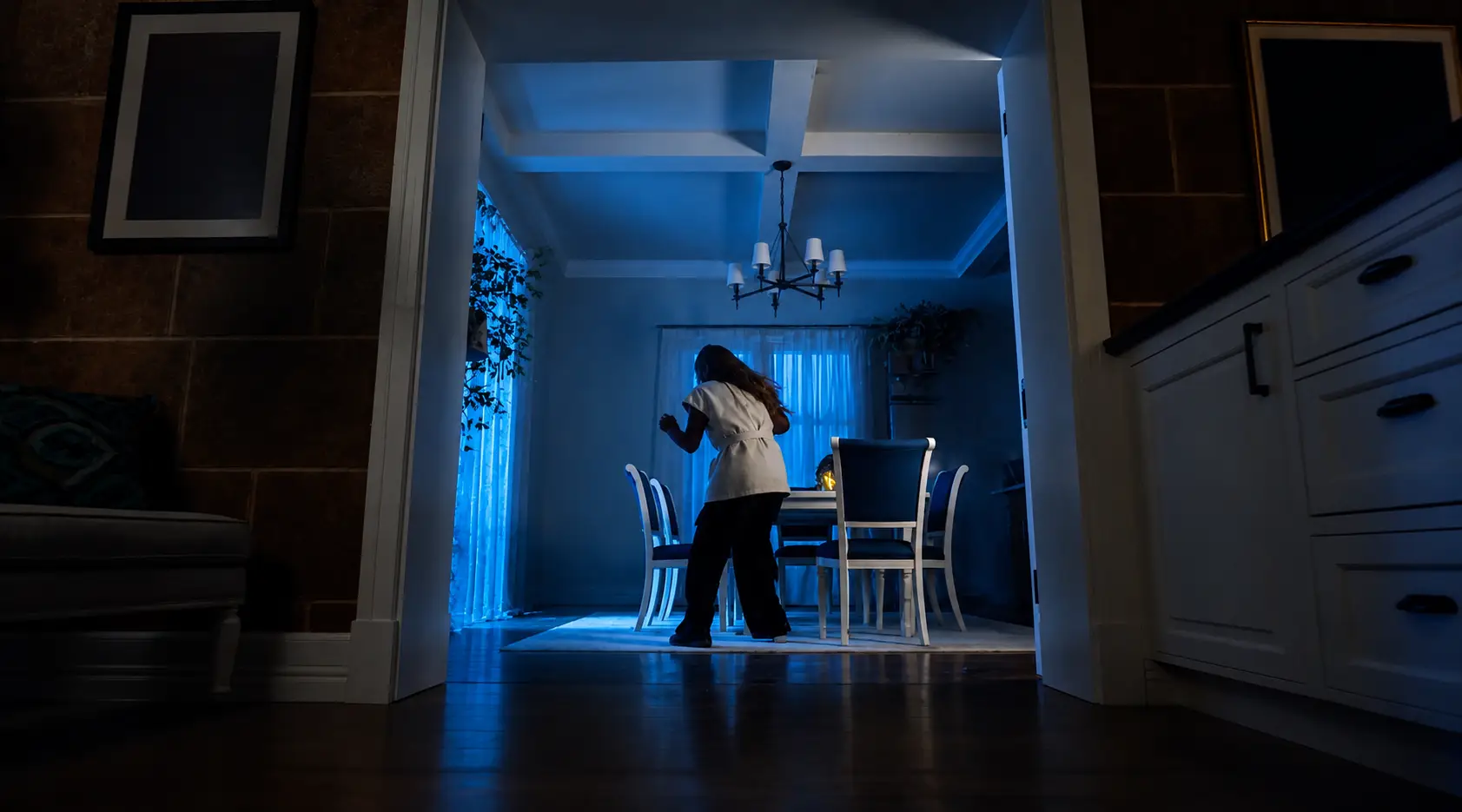
Short answer: a proof-of-concept film is a short piece — usually a few minutes — that shows the world, tone and central character of a larger project so that financiers, platforms or partners can see it instead of imagining it. AI production makes this affordable at a stage when there is no budget yet, as long as the piece is honest about what it is: a vision of the film, not the film.
What a proof of concept has to prove
- The world: locations, period and visual language that a reader cannot fully picture from the script.
- The tone: is it a thriller, an epic, a quiet drama? Three minutes can settle a debate a treatment cannot.
- The character: one protagonist, recognisable and consistent, carrying a moment of the story.
- The director’s eye: framing, pace and sound choices that show how the full production would feel.
What it should not try to do
It should not compress the whole plot into a trailer, and it should not pretend generated images are footage from the finished film. The strongest pieces take one sequence — often the opening or a turning point — and play it properly.
Typical format
Two to five minutes, a clean master for screening, a shorter cut for decks and email, and a few key stills for the pitch document. Sound design and music matter as much as picture: a proof of concept is judged in a room, often on a laptop, and audio is what makes it feel like cinema.
Adapting books and IP
Proof-of-concept films are especially useful for adaptations, where rights holders and partners want to see the book’s world on screen. Our book-to-film service is built around this stage.
Next step
If you have a script or treatment that needs to be seen, the AI film production page explains our process, or contact us with the project.
Frequently asked questions
How long should a proof-of-concept film be?
Usually two to five minutes. Long enough to establish world, tone and character; short enough to be watched in a meeting.
Can a proof of concept be used in a funding pitch?
Yes, that is its purpose — presented clearly as a visual proof of concept, alongside the script, budget and team.
Should it be a trailer?
Rarely. A single well-played sequence usually convinces more than a montage of the whole plot.