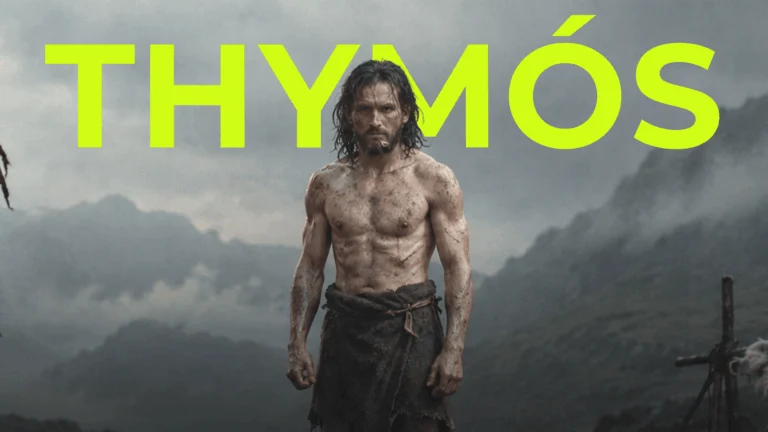
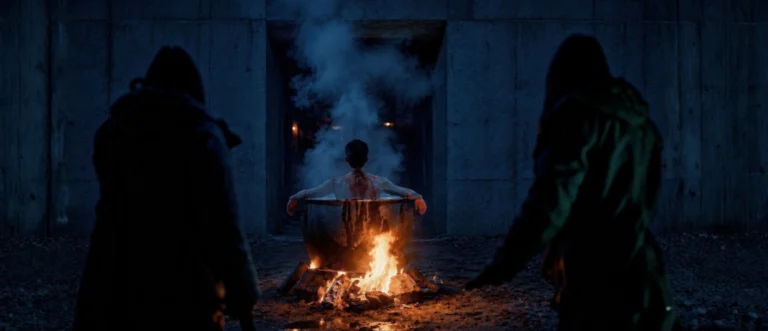
Zarafel is a Leopati production of AI-generated sequences for integration into a live-action film. The work combines creative direction, visual development, character continuity, cinematic animation and post-production. This case study explains how a generated visual world can support an existing film’s atmosphere and narrative.
For a confidential film production, Leopati developed three generated sequences. The Zarafel portfolio case study presents this contribution, its visual direction and its production credits.
Begin with the surrounding film
For an integrated sequence, visual development has to serve the footage around it. Shot scale, light, colour, movement and editing rhythm establish the relationship between the generated material and the live-action film. A striking image is useful only when it works within that relationship.
In Zarafel, the creative challenge was to keep the sequence naturally connected to the film’s visual style, atmosphere and narrative transitions. This makes integration the central production problem.
Build the visual world and preserve character continuity
Leopati developed environments, compositions and character imagery through a controlled generative workflow. Scene planning and visual development gave the separate shots a common direction. Character consistency, lighting logic and environmental detail were considered together so the generated material could read as a coherent sequence.
World-building in this context means designing what the film needs to show while preserving its existing visual language. The generated environments and characters were developed to serve the sequences’ place in that film.
Turn selected frames into cinematic movement
Image-to-video animation, camera movement, pacing and transition design brought the selected imagery into motion. Each shot had to support the sequence’s emotional tone and its place in the wider film. Iterative refinement connected visual production with editorial decisions.
Finish for integration
Leopati’s contribution includes editing, visual effects, colour refinement, sound design and sound synchronisation. These stages connected the generated shots and prepared them for integration into the live-action film. Güneş Polater directed and produced Leopati’s contribution.
What this case study demonstrates
Zarafel demonstrates a specific use of generative production: creating cinematic sequences that function within a live-action film. The relevant capabilities are controlled visual development, continuity, animation and finishing. The client’s identity remains confidential.
View the Zarafel portfolio case study for the work and credits. For production scope, explore Leopati’s AI film production service and AI visual effects production.
Questions about the production
Was Zarafel a standalone AI short film?
Zarafel consists of three AI-generated sequences developed for integration into a live-action film. Leopati’s portfolio presents the sequence production and its creative process.
What did Leopati contribute?
AI creative direction, visual production, character continuity, cinematic animation, editing, visual effects, colour refinement and sound design for the integrated sequences.
Who is credited?
Güneş Polater is credited as director and producer of Leopati’s contribution. The client is a confidential film production.
Related guides
This work at Leopati
Service: AI Film Production
Leave a comment