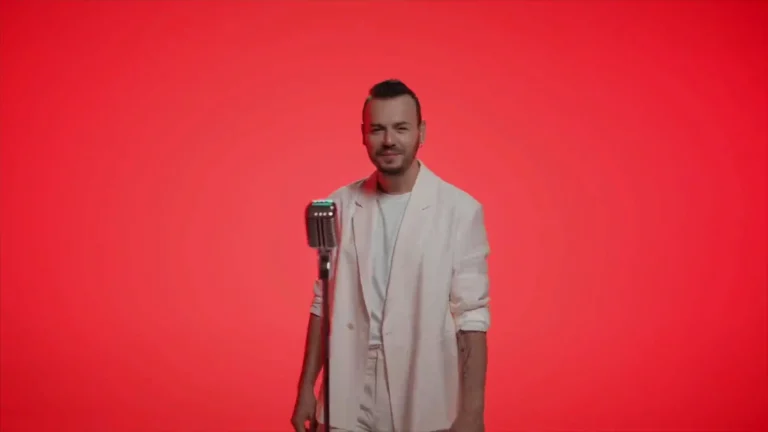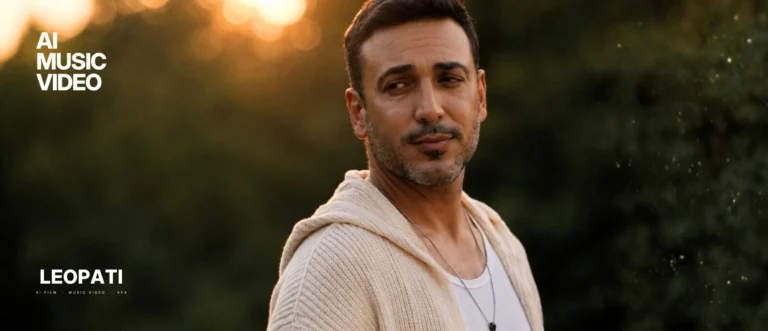
Short answer: Turkish pop and arabesque carry a strong emotional grammar, longing, melancholy, nostalgia, dignity in sorrow, and a visual memory shaped by decades of music videos and cinema. AI can recreate those textures and places, from seaside towns to rainy city nights, but the video lands only when it honours that emotional register rather than decorating it.
The emotional register
Arabesque is about restraint as much as emotion: the singer holds back, the camera waits, the image carries the feeling. Contemporary Turkish pop often borrows that weight while updating the look. A video that overplays the drama loses what makes the genre moving.
Visual memory to draw from
- Places: ferries, seaside promenades, old apartment balconies, night streets after rain, provincial bus stations.
- Texture: film grain, warm tungsten light, faded colour that recalls older footage.
- Gesture: a look out of a window, a cigarette never lit, hands on a steering wheel.
Avoiding cliché
The same images repeated without meaning become parody. Choose one or two motifs that belong to the lyrics and let them develop, instead of collecting every familiar symbol.
Language and lyrics
Turkish lyrics are often poetic and indirect. We build concepts in Turkish with the artist, so the visual metaphors follow the words, not a translation of them. See our AI music video production page, and the LAB.83, Tek Yol project for a surreal take on a Turkish song.
Frequently asked questions
Can AI capture the mood of arabesque?
Yes, when the direction respects its restraint and melancholy. Overplayed drama works against the genre.
Do you work with Turkish-language songs?
Yes. We develop concepts directly in Turkish with the artist’s team.
Which references work for Turkish pop videos?
Local places, warm film textures and a few meaningful gestures tend to work better than a collection of familiar symbols.
Related guides
This work at Leopati
Service: AI Music Video Production