 AI generated
Deha Bilimlier AI Concert Film
Ask a question
Discover the work
Killa Hakan Yanlış Kardeşler
AI Music Video
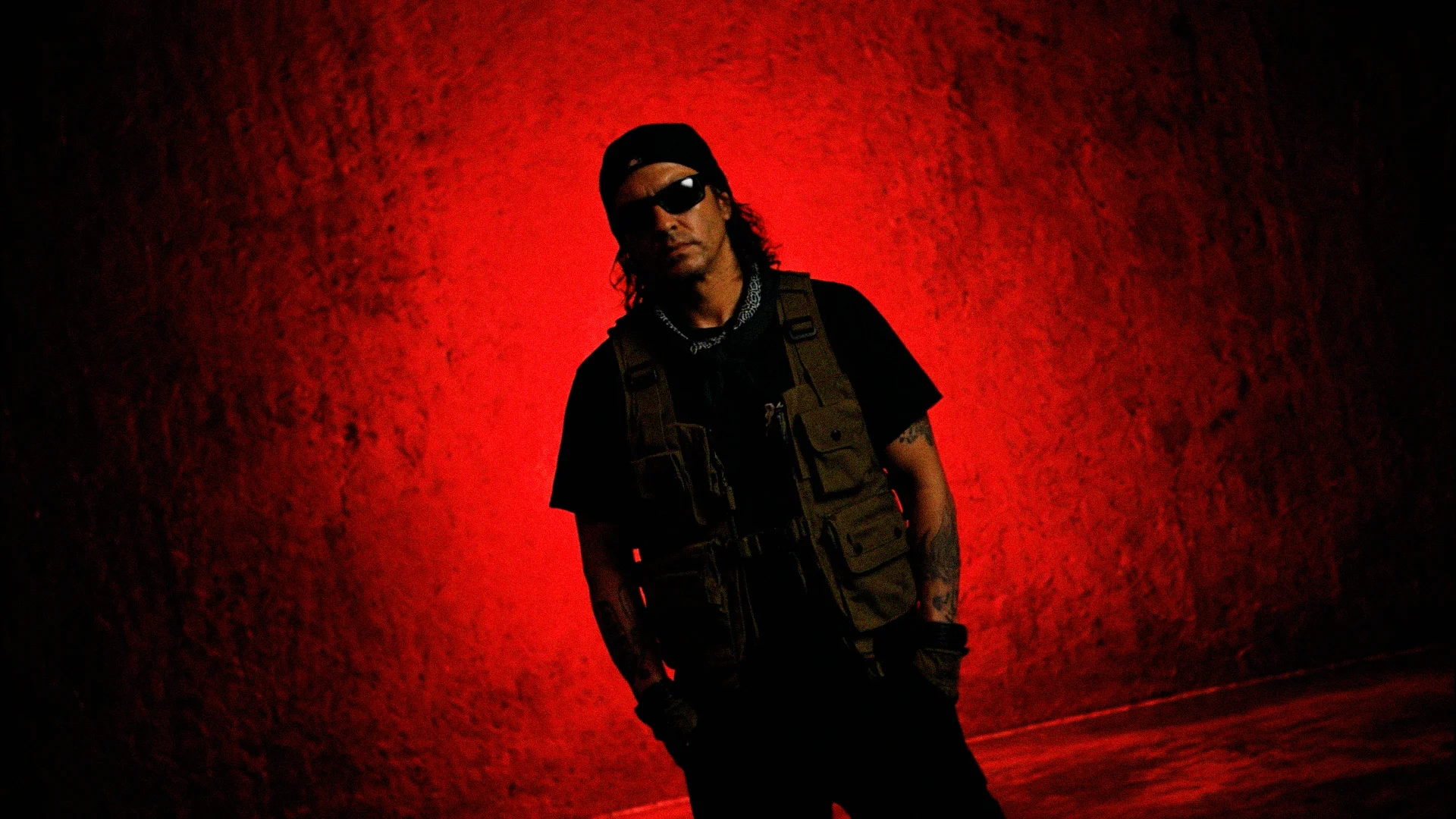
Killa Hakan feat. D-Flame’s Yanlış Kardeşler turns loyalty, power and betrayal into a cinematic AI music video through a red room, throne, boxing imagery and city exteriors.
 AI generated
01
Overview
Leopati produced Killa Hakan feat. D-Flame’s Yanlış Kardeşler AI music video, directed by Güneş Polater and presented under the Esen Müzik label. Completed in 23 days, the master runs 3:45 in 16:9 Full HD at 24 fps.
Leopati produced the AI music video for Killa Hakan feat. D-Flame’s Yanlış Kardeşler, presented under the Esen Müzik label. Directed by Güneş Polater, the project combines character references, AI image and video production, editing, color and final mastering in one creative process.
- Client
- Killa Hakan / Esen Müzik
- Year
- 2026
- Discipline
- AI Music Video
- Project
- Killa Hakan: Yanlış Kardeşler
- Leopati’s role
- Concept and art direction, character references, AI image and video production, editing, music synchronization, color and final master; director Güneş Polater
- Released
- September 25, 2026
- Commissioned by
- Esen Müzik
- Runtime
- 3:45
- Format
- 16:9 · Full HD (1920 × 1080) · 24 fps · Stereo
- Language
- Turkish and German vocals, no subtitles
- Country
- Türkiye
- Production
- 23 days
- AI use
- Created with generative AI
- Deliverables
- Final music video master, 3:45, 1920 × 1080, 16:9, 24 fps · AAC / 48 kHz / stereo audio · The archive also contains 58-second and 33-second promotional edits, separate from the main video.
AI generatedEvery image and video on this page is AI-generated under human direction.How we label our work
ServiceAI Music Video Production. This project is an example of this service.
 AI generated
02Frames
Frames from the production
7 framesAI generated
03Brief
Why this project existed
 AI generated
Objective
Translate the loyalty and betrayal of Yanlış Kardeşler into a coherent cinematic music video that carries Killa Hakan’s rap identity. Bring visual storytelling, artist recognition and musical rhythm together for the track presented under the Esen Müzik label.
The creative challenge
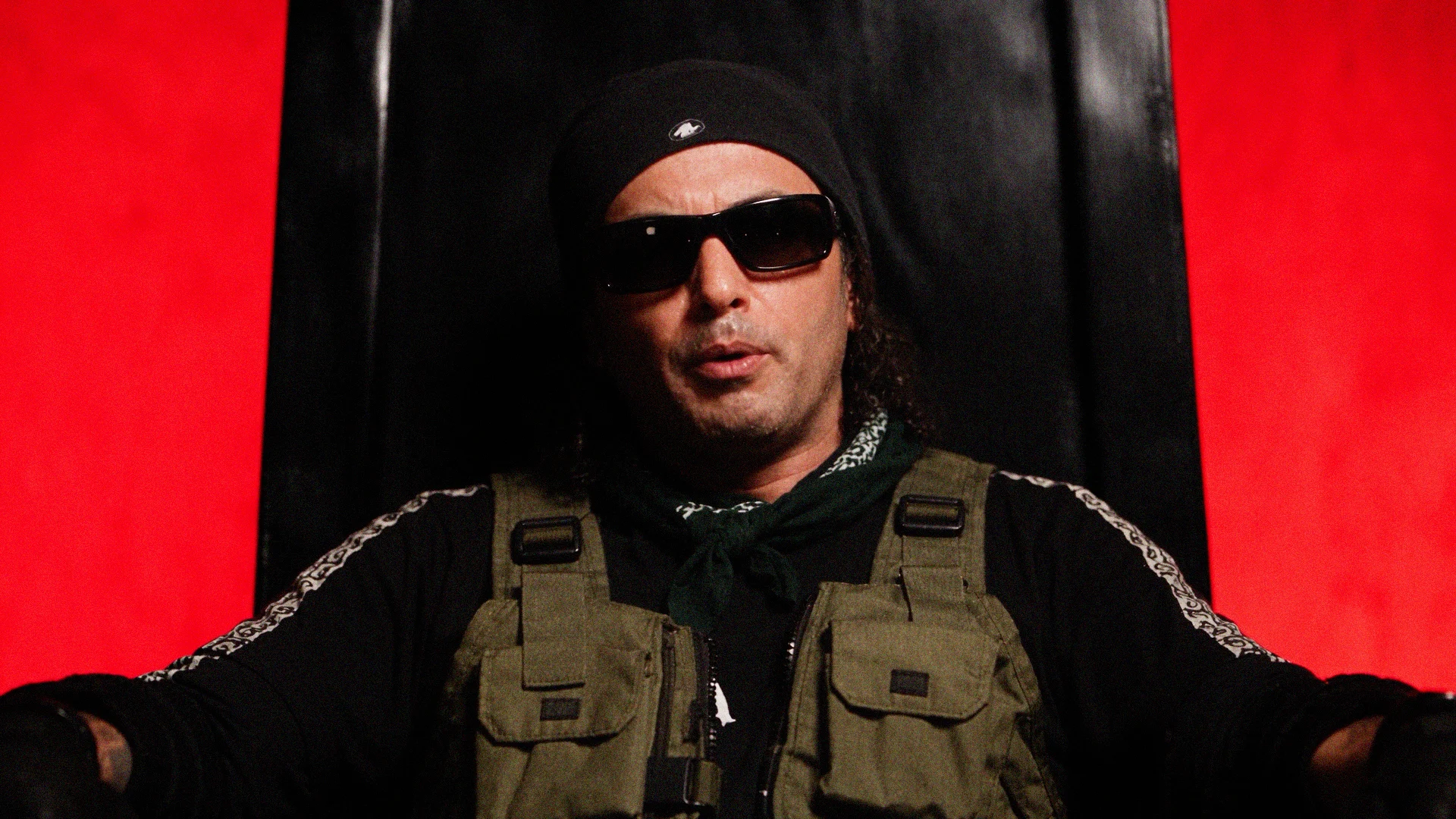
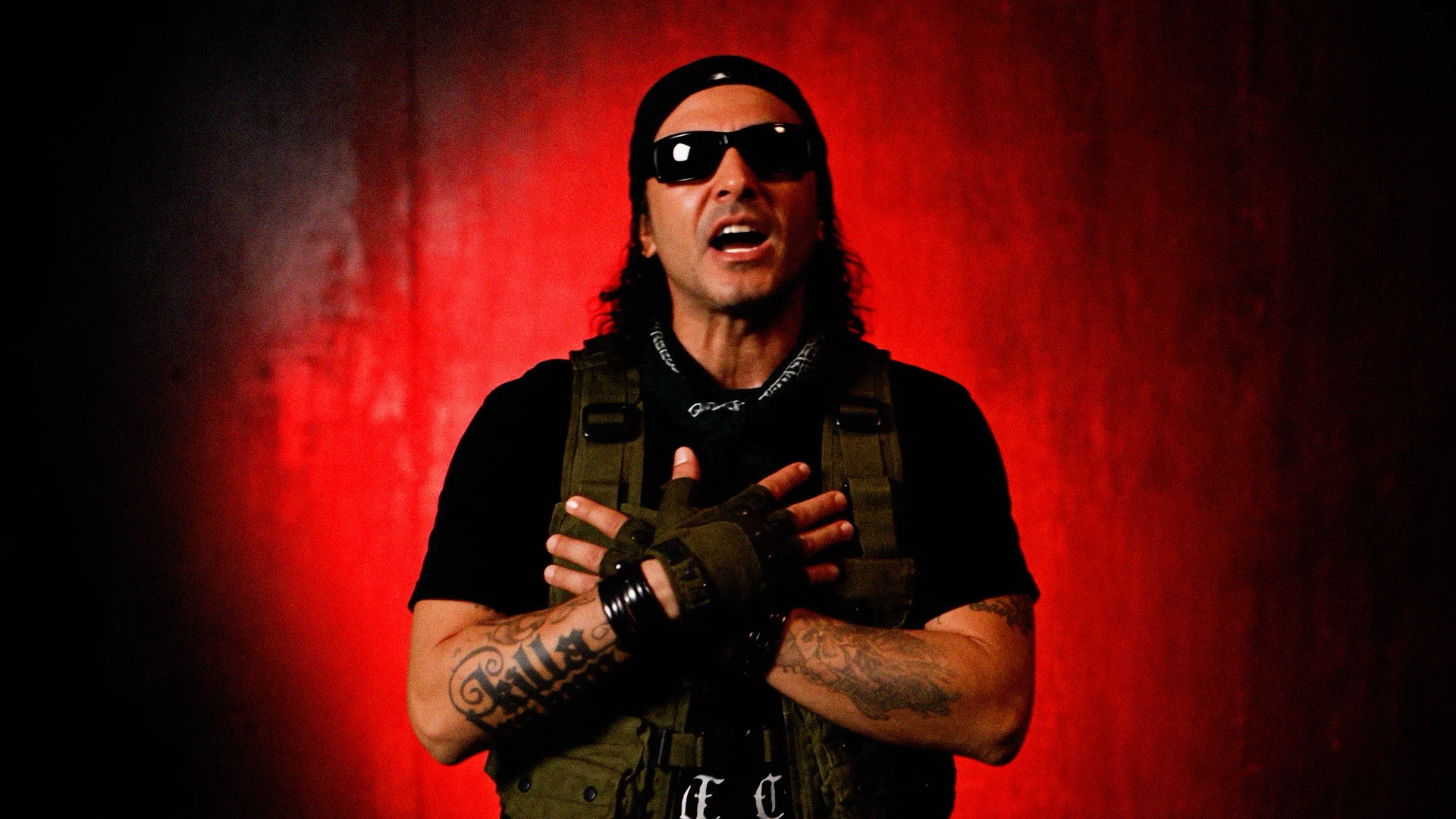
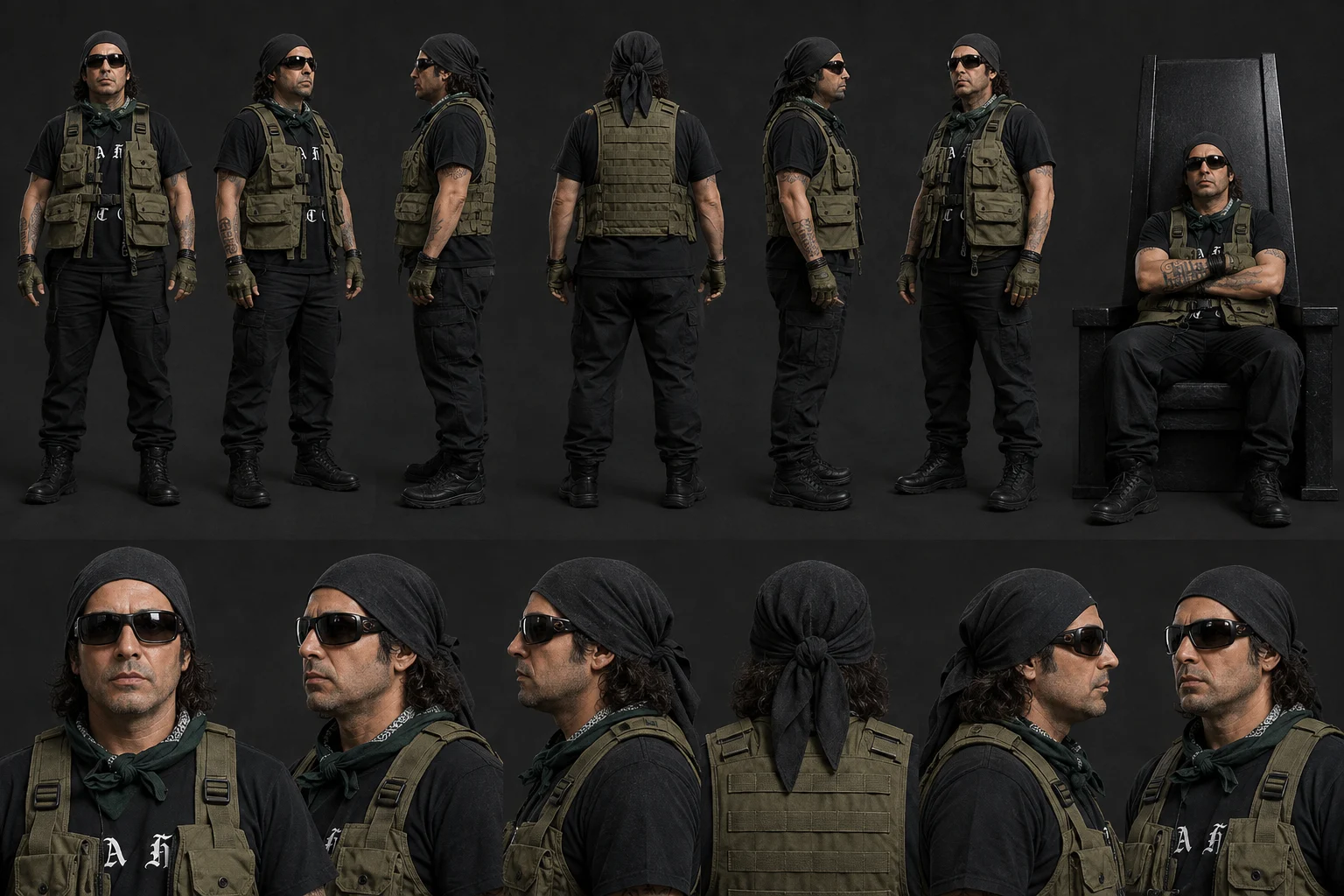
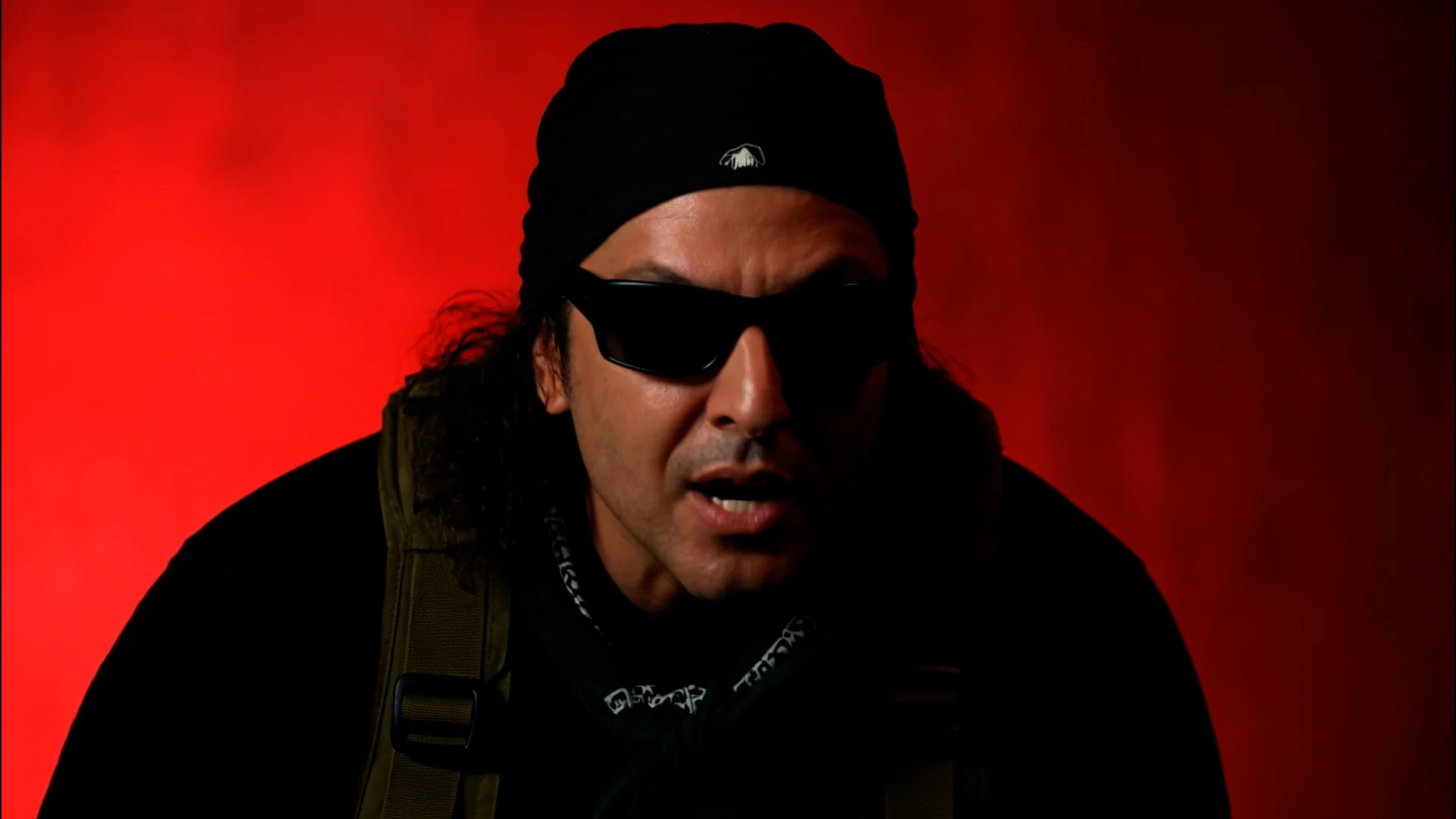
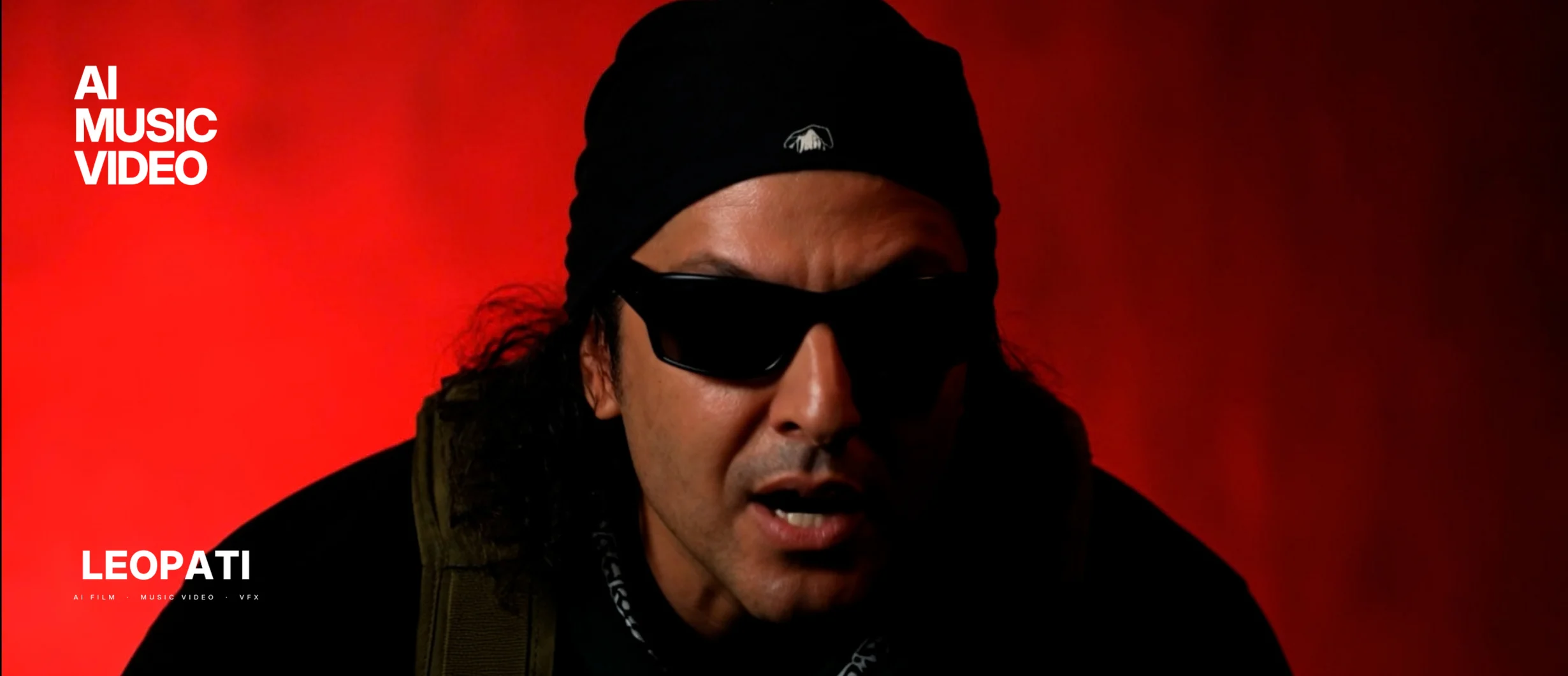
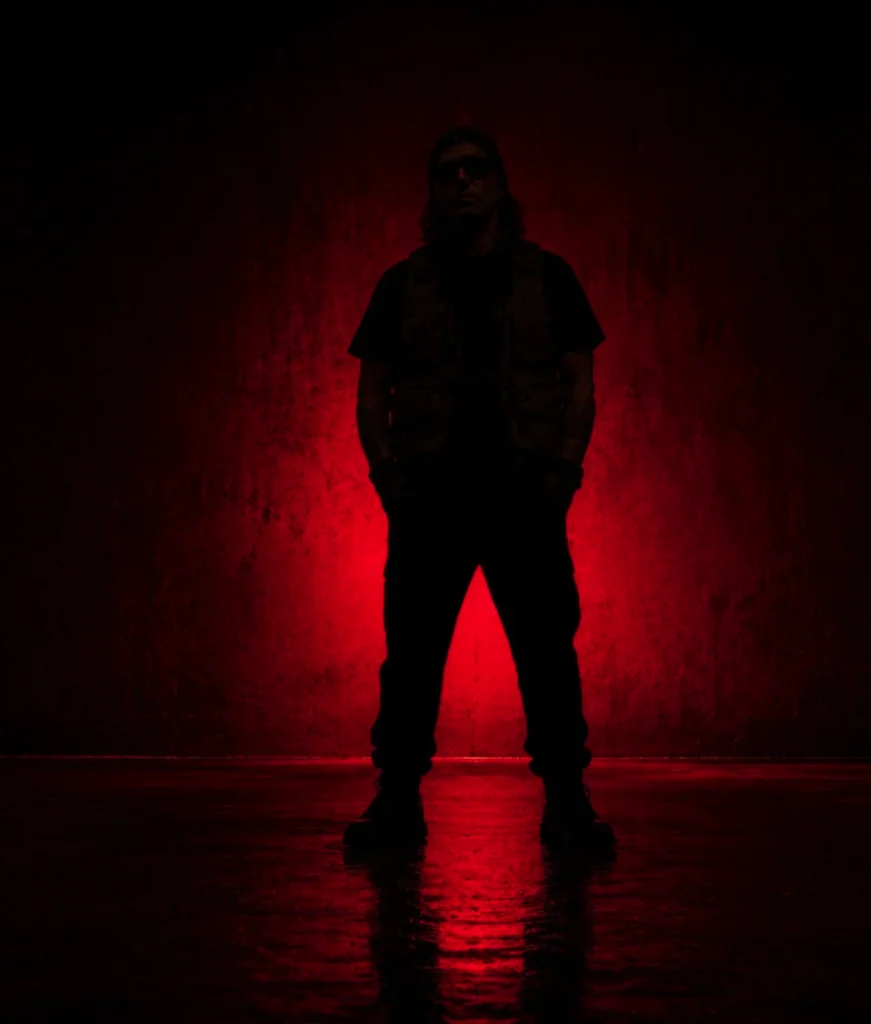
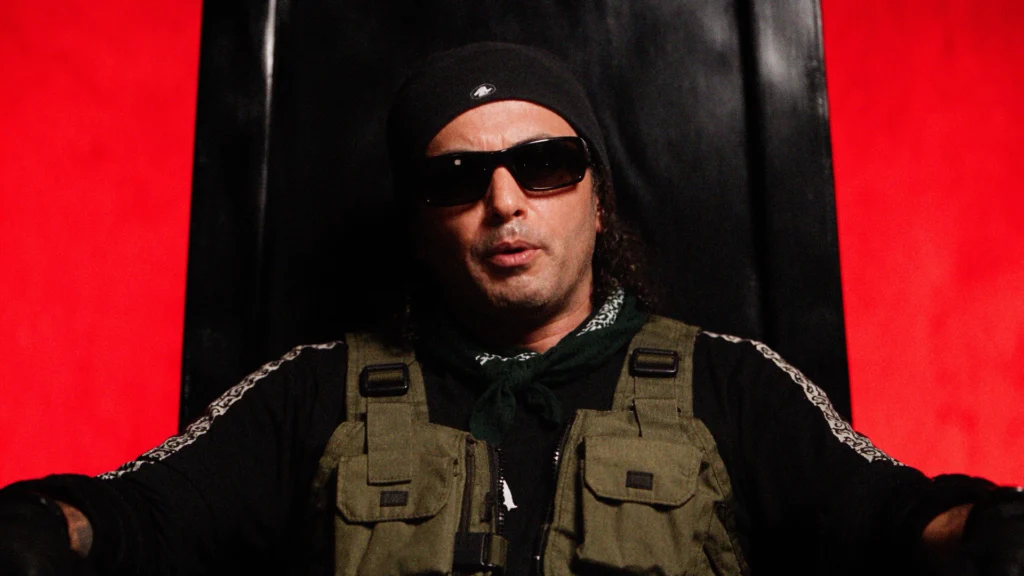
Keep Killa Hakan’s face, sunglasses, beanie and tactical vest recognizable across shots; connect the red room, throne, boxing and city imagery within one visual world; and edit the movement to the rhythm of the track.
Audience
Killa Hakan and D-Flame listeners; audiences following Turkish rap and the Türkiye-Germany hip-hop scene; artists, record labels and managers considering AI music video production.
Constraints
Preserve face and wardrobe continuity; connect different worlds and symbols within one red-black visual system; synchronize the edit to the source track; deliver a 16:9 Full HD / 24 fps / stereo master.
04Direction
Creative direction
 AI generated
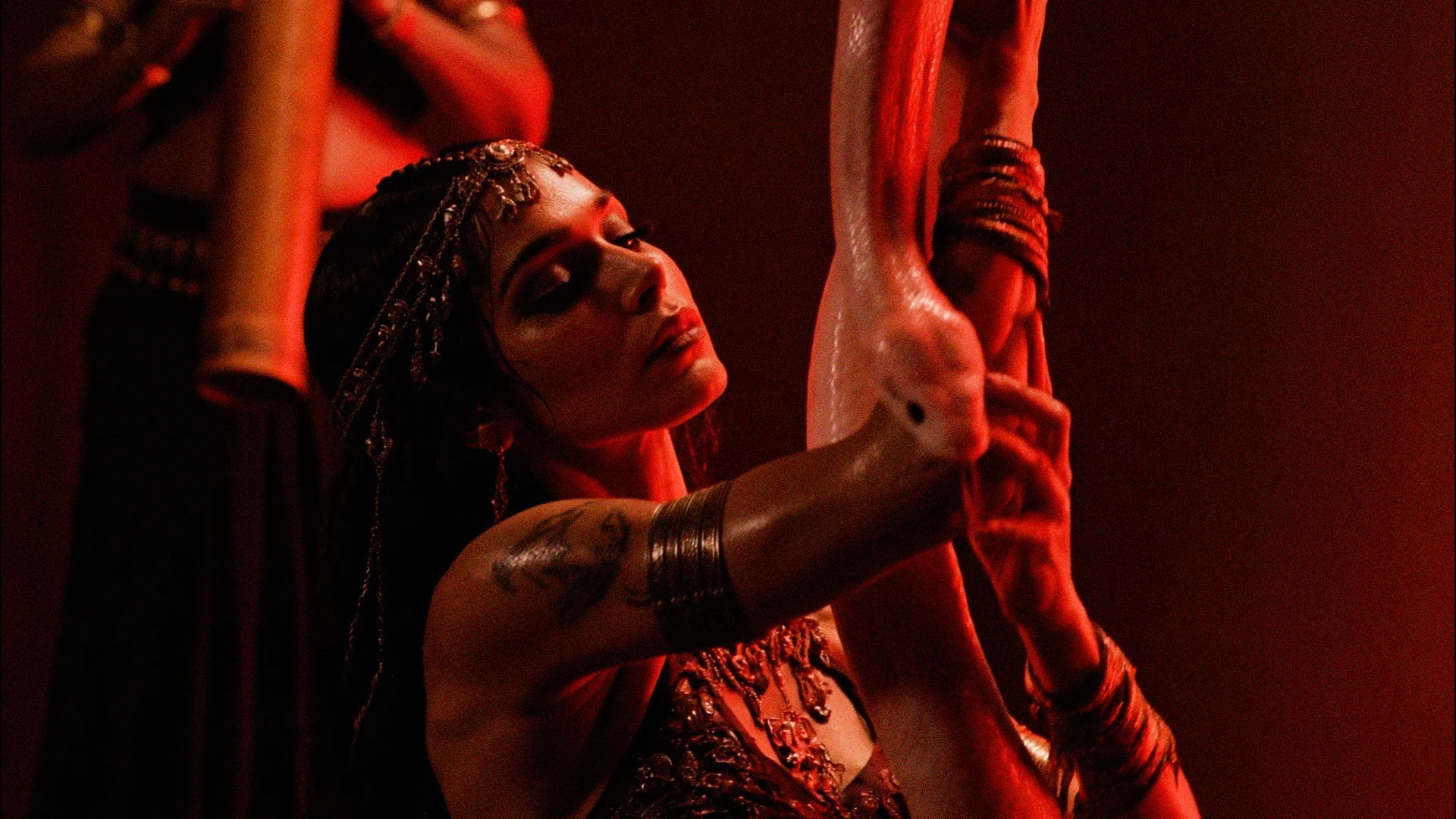
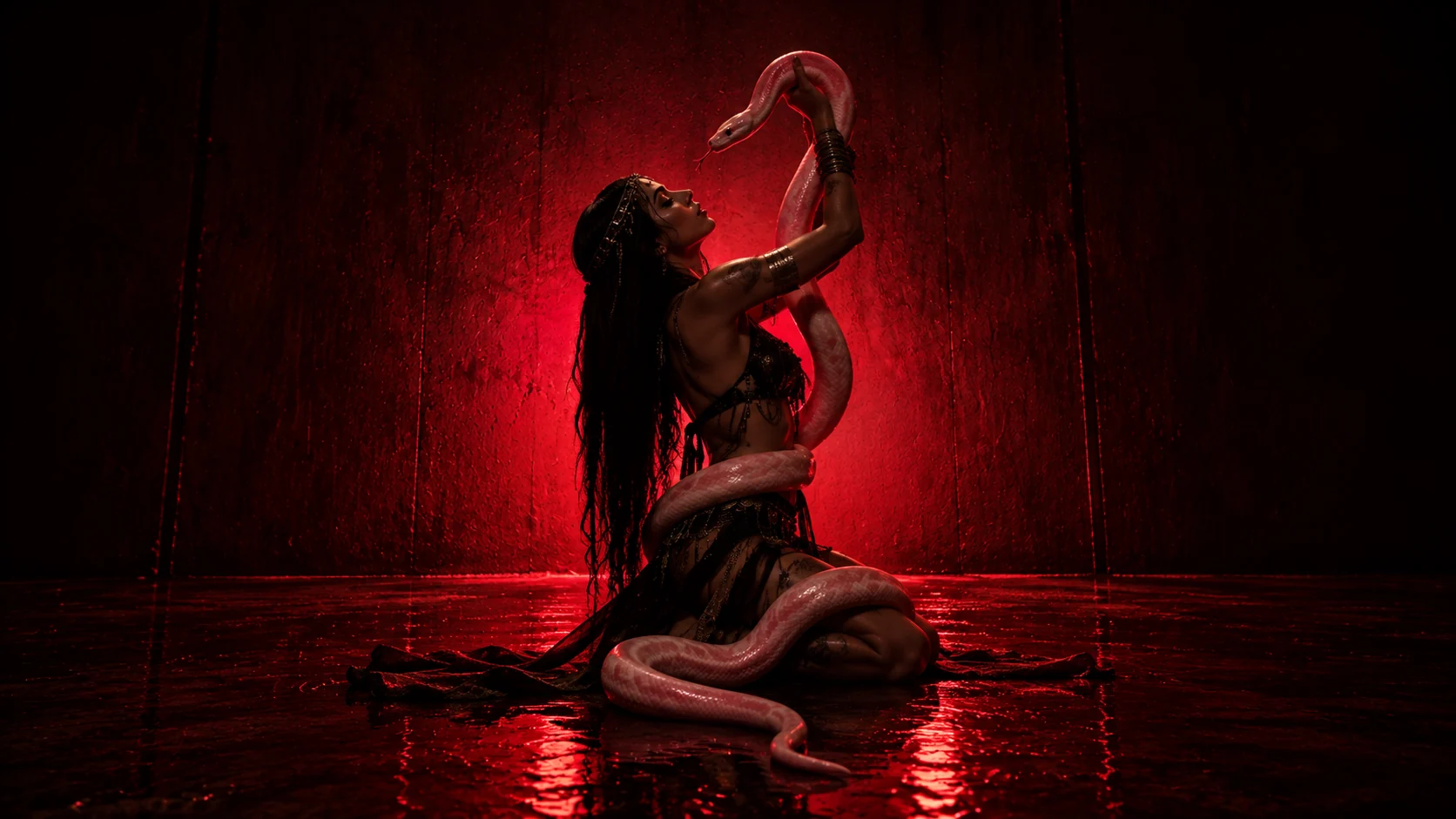
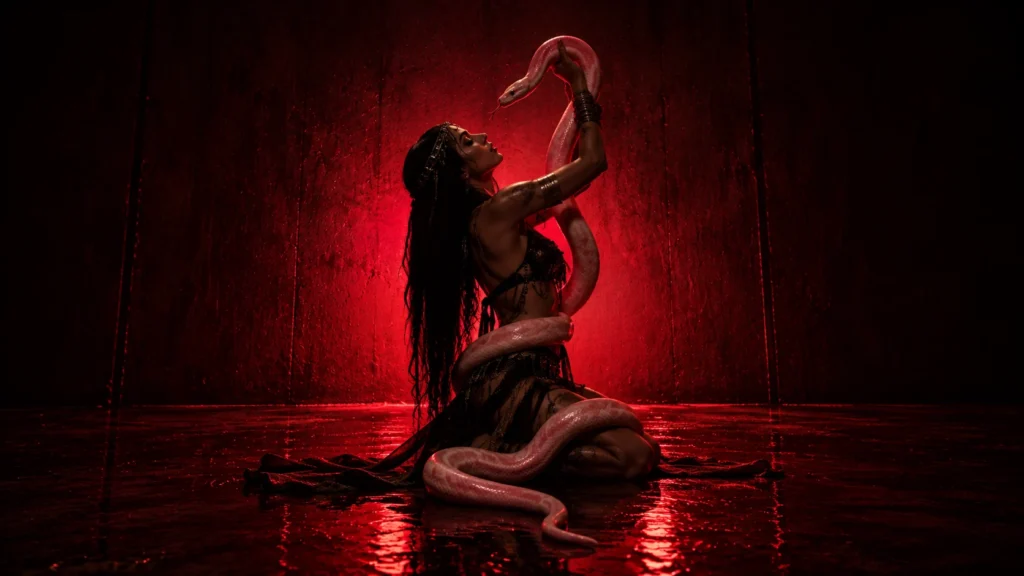
Killa Hakan feat. D-Flame’s Turkish and German rap vocals meet a symbolic visual world built around loyalty and betrayal. The red room and throne convey power; boxing scenes carry tension; snakes suggest broken trust. Dark interiors are contrasted with city imagery. Shots developed from character references are edited to the rhythm of the track.
The concept visualizes the idea of false brotherhood through the boundary between trust and threat. Red lighting, deep blacks, snake imagery, strong silhouettes and controlled camera movement shape a symbolic hip-hop world. The throne, boxing bag and city exteriors connect the track’s emotional intensity to a coherent visual direction.
My aim was to preserve Killa Hakan’s direct rap identity while translating the trust, betrayal and power of Yanlış Kardeşler into a cinematic, symbolic world. I used generative AI as a filmmaking tool for working with character, environment, camera, lighting and atmosphere. The direction, selection, edit and finishing brought those generated shots together as one music video.
Visual style
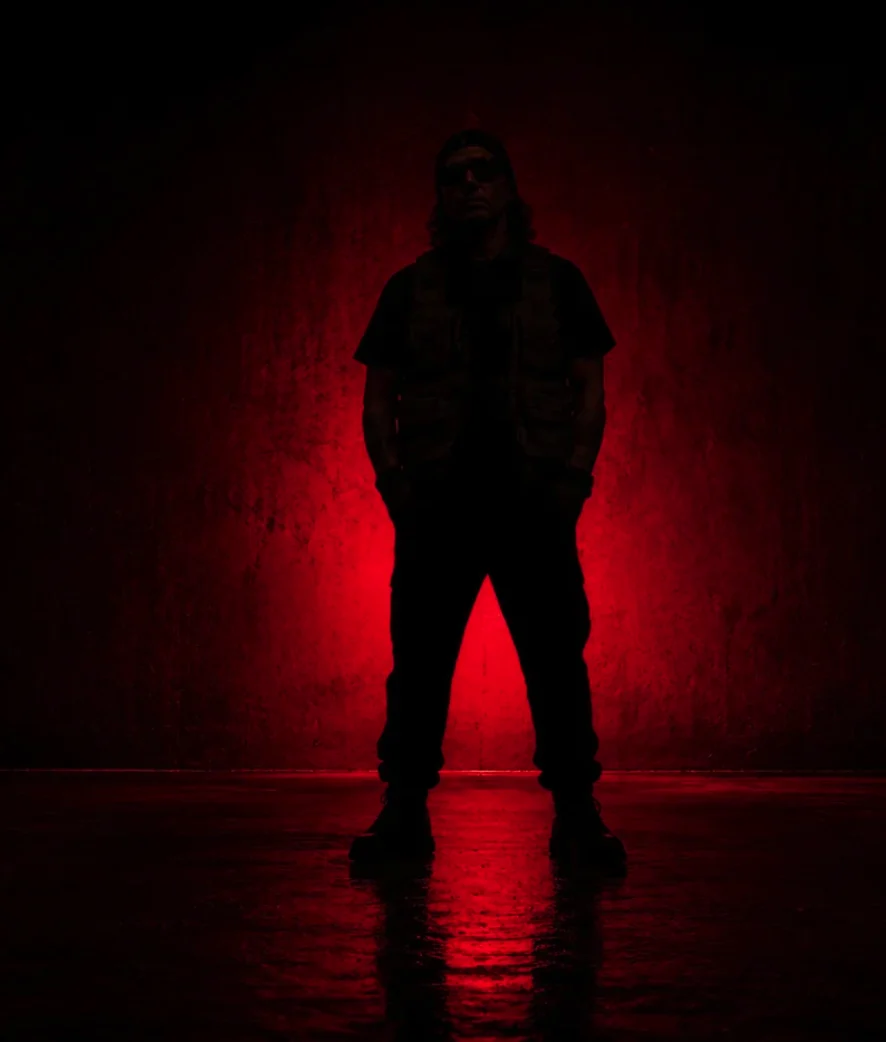
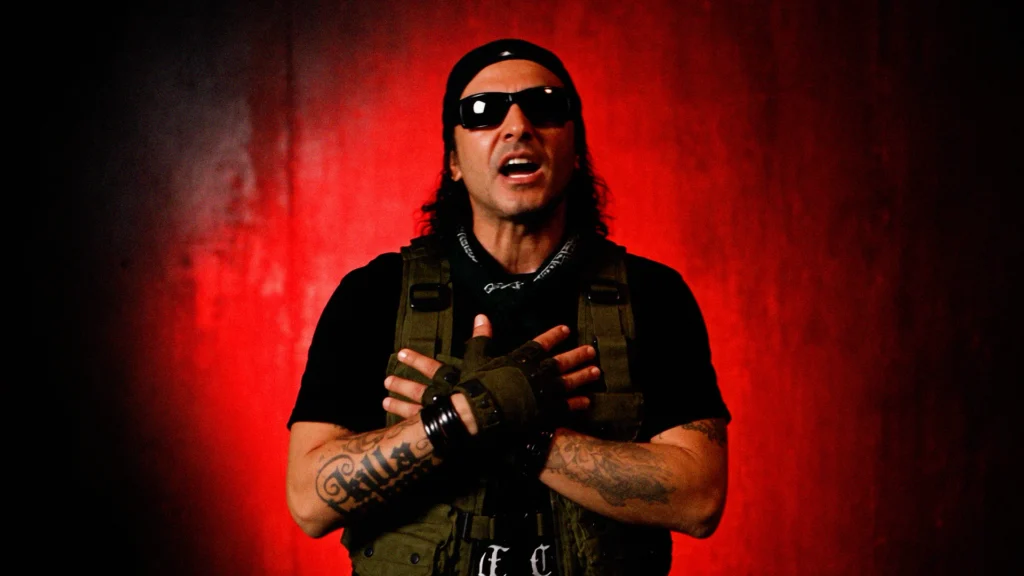
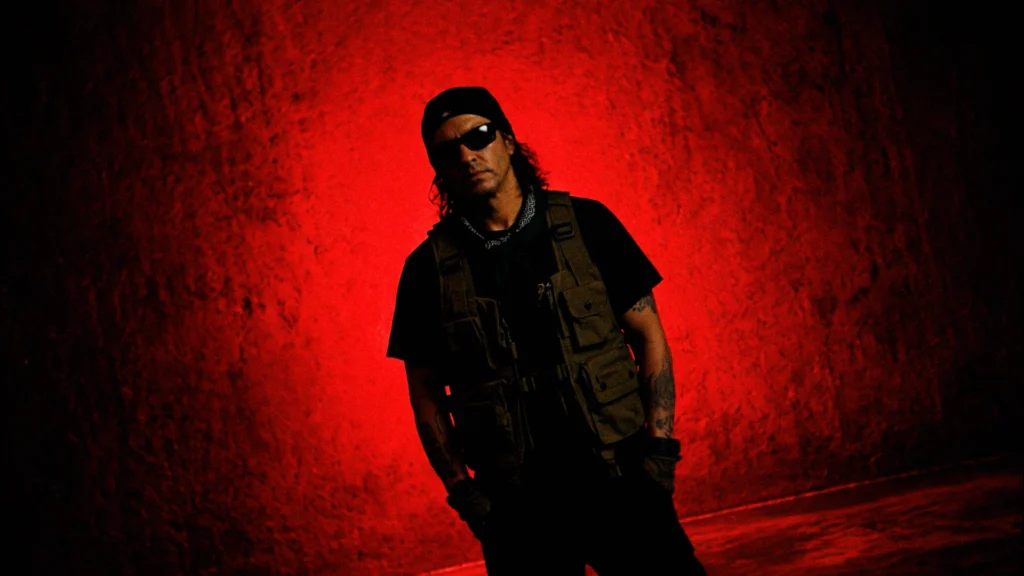
Dark cinematic hip-hop imagery: a red-black palette, high contrast, dramatic backlight, low-angle framing and deep shadows. Recognizable character styling connects the throne, boxing and symbolic interiors; cooler city imagery expands the world.
Cinematography and camera language
Low-angle character shots, close portraits, medium performance shots and wide environmental views are combined. Slow push-in, lateral motion and restrained camera movement create weight and tension; the edit sets their rhythm against the track. Red backlight, silhouettes and deep black space provide continuity across the interior scenes.
Colour palette
- #6B020DDeep red, room, tension and betrayal; visual reference from master frames
- #050505Deep black, throne, silhouettes and negative space
- #62513EEarth / khaki, the character’s tactical vest
- #293337Cool city gray, exterior contrast against red interiors
Continuity rules
- Artist face and wardrobe
- Use multi-angle character references; preserve face proportions, sunglasses, beanie, black clothing and tactical vest across shots.
- Lighting, world and edit
- Keep red interiors, deep blacks and directional backlight within the same visual system. Separate city exteriors with cooler tones; synchronize movement and cuts to the track.
Characters
- Killa Hakan’s visual representation
- The principal character developed from artist references. Preserve a recognizable face, sunglasses, beanie and tactical vest in portraits, performance and throne shots.
Worlds and locations
- Red room and throne
- High-contrast red lighting, deep shadows and a central throne composition form the principal world of power and isolation.
- Boxing, dancers and snake imagery
- The boxing bag and silhouettes carry tension; dancers, snakes and close details support the symbolic narrative.
- City exteriors
- Istanbul references and cool-toned urban views contrast with the red interior world and expand the visual setting.
 AI generated
05
Craft
-
Concept and Art Direction
The visual concept and shot order use the red room, throne, boxing and city imagery to interpret loyalty and betrayal.
-
AI Image Production
GPT Image 2 and Nano Banana Pro were used for character references and scene imagery, with face, wardrobe, lighting and color continuity checked.
-
AI Video Production
Seedance 2.5, Seedance 2.0 and Kling turned selected images into moving shots with directed camera and scene motion.
-
Editing and Post-Production
Adobe Premiere Pro was used for shot selection, music synchronization, editing and color finishing, delivering a Full HD / 24 fps / stereo master.
06Process
How it was made
 AI generated
Created with generative AI · directed, edited and finished by people
Multi-angle artist references and a red-black visual system were established first. Scene-specific compositions were generated, then selected frames were animated with controlled camera movement. Shot selection, music synchronization, editing and color finishing produced a 16:9 Full HD master.
Workflow
- 01
Concept and art direction
Develop the red-black world, symbols and shot order from the track’s emotional tone and rhythm.
- 02
Character references
Build multi-angle artist references and lock the face, sunglasses, beanie and tactical vest.
- 03
Scene imagery
Generate character and environment compositions; select framing, lighting and continuity.
- 04
Moving shots
Animate selected images with directed camera and scene movement; exclude inconsistent outputs from the edit.
- 05
Edit, color and master
Synchronize shots to the track, unify color and prepare the final Full HD / 24 fps / stereo delivery.
Tools and models
| Task | Tool | Model / version |
|---|---|---|
| Video generation | Higgsfield | Seedance 2.5 |
| Video generation | Higgsfield | Seedance 2.0 |
| Video generation | Higgsfield | Kling |
| Image generation | Image generation | GPT Image 2 |
| Image generation | Image generation | Nano Banana Pro |
| Editing | Adobe Premiere Pro | Software version not documented in the archive |
What was human, what was generated
Güneş Polater and Leopati handled concept, art direction, character references, direction, shot selection, editing and color decisions. Image models generated character and scene imagery; video models generated moving shots from selected images. The song and artist vocals come from the music recording and are not presented as AI-generated vocals.
Prompt approach
Describe character reference, environment, framing, lighting, motion and timing separately for each shot. Check face, wardrobe and composition in the still image before animation. Review facial drift, hands, camera movement and color continuity before selecting footage for the edit. The short prompts below are illustrative examples of this method, not original production command logs.
Use the locked artist reference, identical sunglasses, beanie and tactical vest. Seated on a dark throne in a red room, hard red backlight, deep black shadows, centered wide composition, subtle slow push-in, preserve face and wardrobe.Keep the same referenced character and red-black world. Boxing bag foreground, dramatic silhouette, controlled weight shift, low-angle framing, slow lateral camera move, stable hands and body proportions.Cold muted city exterior, architectural wide shot, restrained camera drift, deep shadows and natural perspective. Match the edit rhythm while preserving a deliberate color contrast with the red interior scenes.Excerpts, trimmed, in the language they were written in.
Problems and solutions
Problem Artist face, wardrobe or accessories drifting between AI shots.
Solution Lock multi-angle character references before production; generate imagery using the same face and wardrobe rules; reject inconsistent shots during selection.
Problem Separate scenes feeling disconnected from the track and visual world.
Solution Unify red-black color, directional lighting and recurring symbols; use the city’s cool tones as deliberate contrast and synchronize the edit and motion to the music.
07Sound
Music and sound
 AI generated
- Track
- Yanlış Kardeşler, Killa Hakan feat. D-Flame
- Label
- Esen Müzik
- Voice
- Song vocals
The video is edited to Killa Hakan feat. D-Flame’s Yanlış Kardeşler recording. Turkish and German rap vocals and the track’s rhythm are retained, with cuts and visual movement synchronized to the music. Master audio: AAC / 48 kHz / stereo. The 2003 track and the 2026 visual production are separate records; digital reissue dates are not used as the new video’s production date.
08Outcome
Release and reception
 AI generated
Leopati completed Killa Hakan feat. D-Flame’s Yanlış Kardeşler video in 23 days, directed by Güneş Polater. The delivered master is 3:45, 1920 × 1080, 24 fps and stereo. The archive contains 8 source images and 45 identifiable video generation outputs; 12 final stills, sharing derivatives and other video assets are excluded from these totals. The video can be watched on Leopati’s YouTube channel and this portfolio.
Released on
Verify this project
Every claim on this page can be checked at its source.
09Credits
Who made it
- Director
- Güneş Polater
- Producer
- Güneş Polater
- Artist / performer
- Killa Hakan, D-Flame
- Label
- Esen Müzik
- Production company
- Leopati
About the artist
Killa Hakan (Hakan Durmuş) is a Turkish rapper connected with Berlin’s Kreuzberg scene. His career includes Islamic Force, Rapüstad with Fuat and Bomba Plak with Ceza, documented by Esen Müzik’s official artist and album pages. For this video, Killa Hakan feat. D-Flame are the artists, Esen Müzik the music label, Leopati the visual production studio and Güneş Polater the director.
Sources
10Questions
Questions about this project
Who made Killa Hakan’s Yanlış Kardeşler AI music video?
Leopati produced the AI music video for Killa Hakan feat. D-Flame’s Yanlış Kardeşler. Güneş Polater is the director and AI artist, with Esen Müzik credited as the music label. Leopati handled concept, art direction, image/video production, editing and color.
Which AI models were used for the video?
Seedance 2.5, Seedance 2.0 and Kling were used for video generation; GPT Image 2 and Nano Banana Pro for image generation. Selected shots were edited, color-finished and mastered in Adobe Premiere Pro.
How long did production take and how many outputs are archived?
Production took 23 days. The reviewed archive contains 8 source images and 45 identifiable video generation outputs. Twelve final stills and other source/edit assets within the 56 archived video files are counted separately. These totals exclude unrecorded attempts.
Were the song and the new AI video released in the same year?
No. The project credits record the track’s first release as 2003 and the new visual production as 2026. Digital reissue dates are distinct from the new video’s production and upload dates.
How was Killa Hakan’s appearance kept consistent?
Multi-angle artist references locked the face, sunglasses, beanie and tactical vest. Scene imagery was selected against those references, and animation outputs were checked for face, wardrobe, anatomy, camera motion and lighting continuity.
Q&A
For the curious: questions about Killa Hakan Yanlış Kardeşler
How is a rap video made with AI? From the creative process to the technical detail, ask what you are curious about. Leopati answers, and your question and its answer take their place here without your name.
Frequently asked questionsAsk a question
AI Music Video

Planning a music video with this level of continuity?
Start a similar project