AI Video Production for Brands, Artists and Film Projects
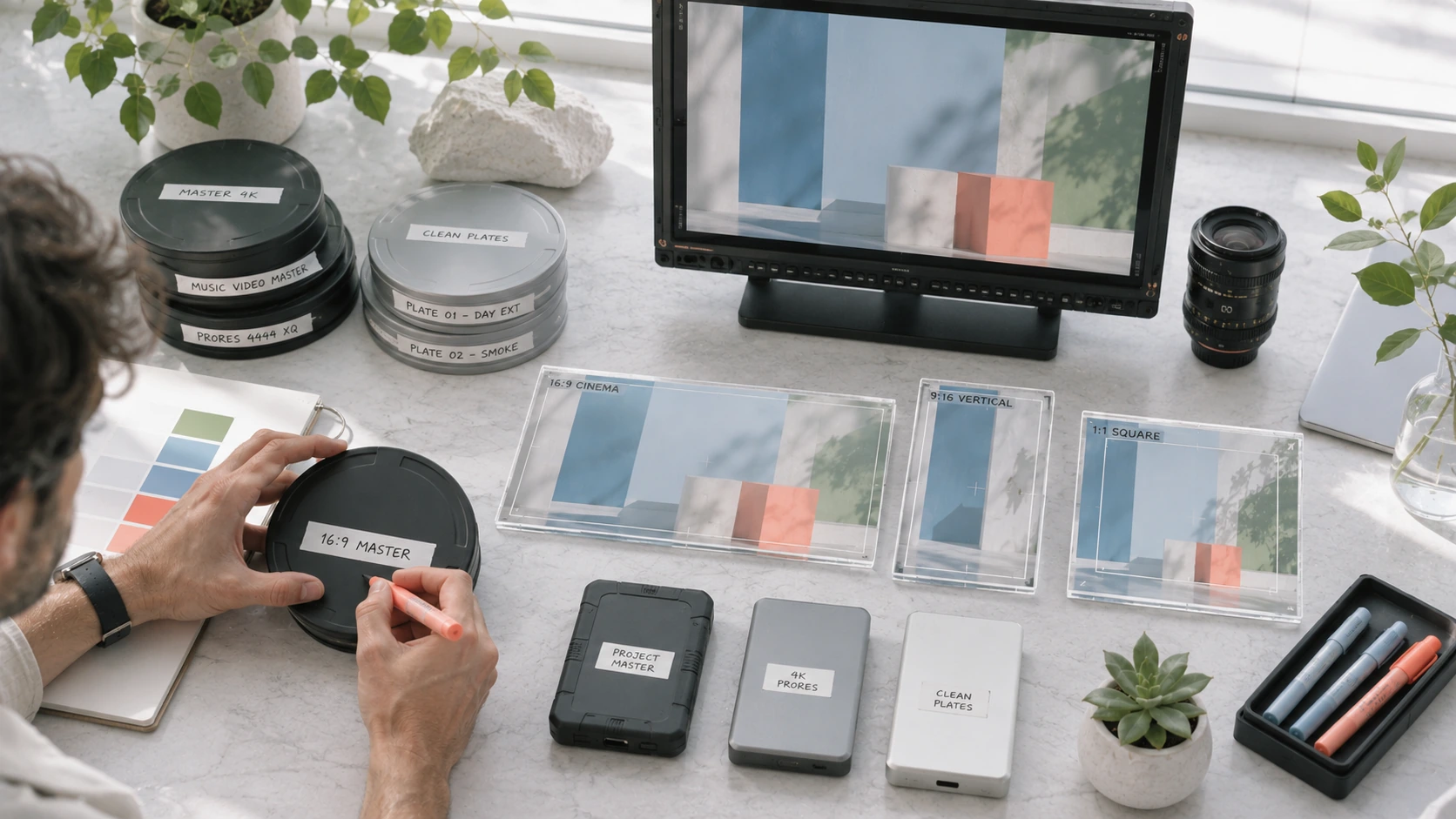
AI video production uses directed generative pipelines, creative direction, staged live-action or plates when needed, and traditional post-production to produce cinematic results at scale. Delivery typically includes a final master (4K/HD), platform cutdowns, editable project files, color/VFX passes, audio stems and captions — all scoped and licensed up front.
What we mean by “AI video production”
At Leopati, AI video production describes a production service that combines creative direction, human-led editorial and generative video tools to produce finished moving-image work. This is a studio service, not a self-serve generator: we design the brief, run iterative generative passes, compositing and grading, and deliver mastered assets ready for distribution.
End-to-end scope (what a typical project includes)
- Brief & creative strategy: script, moodboards, reference frames and a delivery spec tied to objectives (ad, music video, short film, social campaign).
- Pre-production: storyboards, animatics or rough generative styleframes, shot lists, schedule and a technical plan for live-action plates or capture if required.
- Production (generative + capture): staged generative renders, model/asset preparation, and optional live-action shoots or plate photography when hybrid realism is needed.
- Post-production: compositing, motion-tracking, VFX refinement, color grading, sound design and final edit.
- Delivery: final master(s), social cutdowns, captions, stems and editable project files (Premiere/DaVinci/After Effects timelines when agreed).
Each stage includes review rounds and versioning milestones defined in the proposal.
Typical deliverables
Deliverables are set in the contract but commonly include:
- Final master (4K or HD ProRes/HEVC) and one color-graded deliverable
- Platform-specific versions (e.g., 16:9, 9:16, 1:1) and short cutdowns
- Exported edit project or XML/AAF where applicable for client-side reworks
- VFX breakdowns and raw generator passes for future edits
- Audio stems, clean SFX and a deliverable-ready mix
- Burned captions and an SRT file
- Styleframes, moodboards and a short production report
If you need different formats, we define those in the brief and budget.
How the process differs from a self-serve generator
Self-serve tools let you produce experimental clips quickly, but they generally leave creative direction, continuity, version control and post-production to you. A production studio adds: brief development, controlled iterative pipelines, compositing to fix artefacts, and the editorial decisions that turn clips into a narrative or campaign. We also manage platform specs, rights and final file preparation — the tasks most brands and filmmakers expect from a production partner.
Versions, approvals and timelines
AI-enabled production often runs in iterative passes. A standard approval flow: concept > first generative pass/screening > refined pass > rough cut > VFX pass > grade & mix > final delivery. Timelines vary by complexity: short promotional projects can complete in weeks; cinematic or hybrid shoots can take months. Exact phases and turnaround times are scoped per brief.
Integration with live-action and practical effects
When realism or actor performance is required, we combine generative outputs with live-action plates and practical cinematography. This hybrid approach preserves performance nuance while using AI for environments, extensions and stylistic transformations.
Rights, licensing and ownership
All IP, licensing and usage terms are defined in the project agreement before work begins. For campaigns and films we recommend clarifying territorial and platform rights at the proposal stage so deliverables and reuse are unambiguous.
Why brands, artists and filmmakers choose a studio service
- Single-vendor accountability for creative direction, delivery and technical finalization.
- Predictable versioning and review milestones built into the workflow.
- Platform-ready outputs and editorial quality control to ensure campaigns work across placements.
See portfolio case studies for stylistic references (for example: KING, MIDIVOXX and Zarafel) to understand real production outcomes and execution approaches.
Ready to plan an AI production?
If you have a brief, one-liner or a moodboard, we’ll scope creative strategy, timeline and deliverables in a single proposal. For related services see our Agency, Commercial, Music and Film pages.
Frequently asked questions
How does AI video production actually work in practice?
We run directed generative passes under a single creative brief, then refine outputs through compositing and editorial passes. Human creative direction and technical post-production are applied at every stage to ensure continuity, performance coherence and delivery quality.
What exactly is included in final delivery?
Typical delivery includes the color-graded master (4K or HD), platform cutdowns (social aspect ratios), audio stems, captions (SRT), and editable project files or XML/AAF when agreed. The exact list is set in the project scope.
Can you combine AI-generated content with live-action footage?
Yes. Hybrid pipelines are common when actor performance, lighting fidelity or practical effects are required. We plan plate capture, tracking and compositing into the schedule from pre-production.
How long does an AI production take?
Turnaround depends on complexity. Simple promotional pieces may complete in weeks; cinematic films or projects with live-action shoots can take several months. Timelines are finalized during scoping.
Is AI production the same as using a web generator?
No. Generative web tools are useful for fast prototypes. Studio production adds brief development, controlled pipelines, editorial decisions, VFX-grade compositing and delivery-ready assets — services that web generators do not provide reliably.