Home›AI Music Video Collage Styles
25 Collage Styles for an AI Music Video: How to Choose the Right Visual Language for Your Song
Compare twenty-five collage styles through the same performance identity, so you can choose a visual language based not only on aesthetics but also on color, material, rhythm and scene continuity.
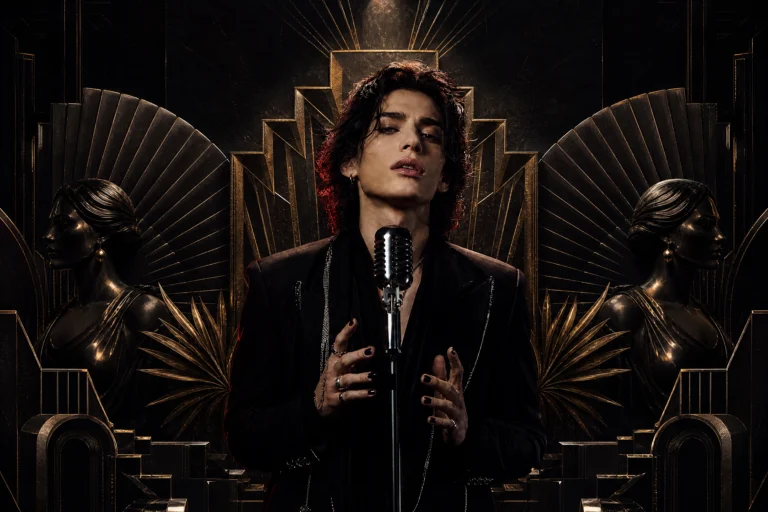 Dramatic
Dark Art Deco
Black, bronze, gold and symmetrical geometry for dark, dramatic tracks.
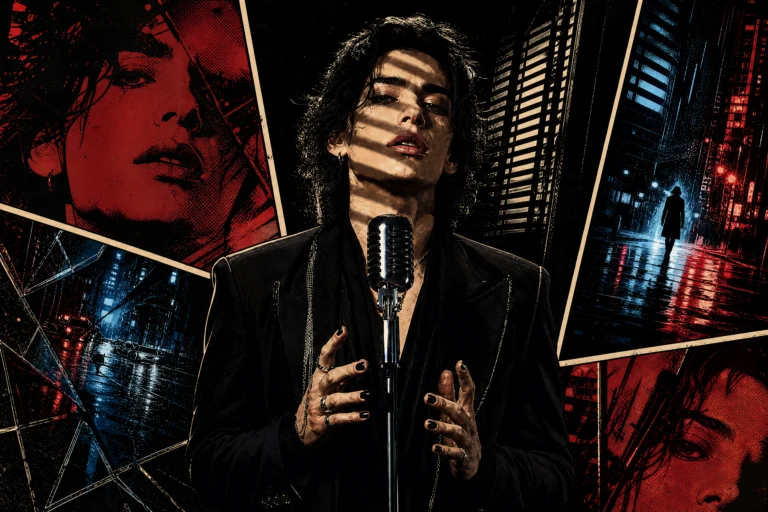 Noir
NoirNeo-noir Comic
Night, city atmosphere and red-blue contrast for tense or cinematic choruses.
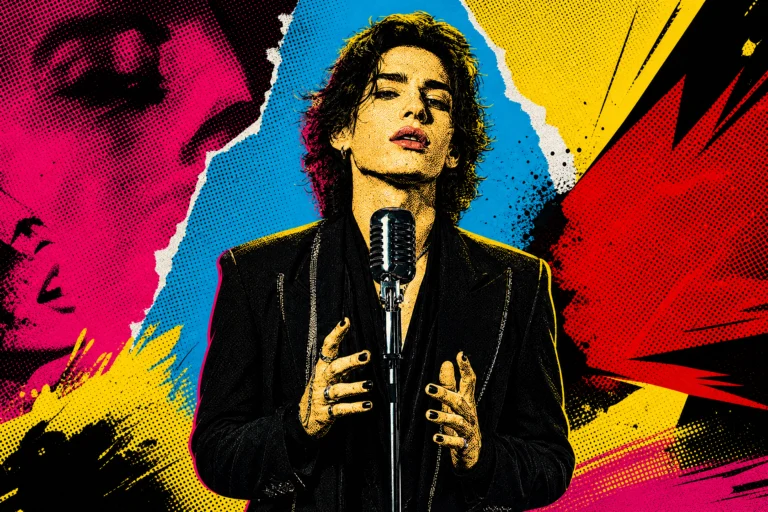 Pop
PopScreentone Pop
Halftone dots and sharp pop colors for fast, energetic sections.
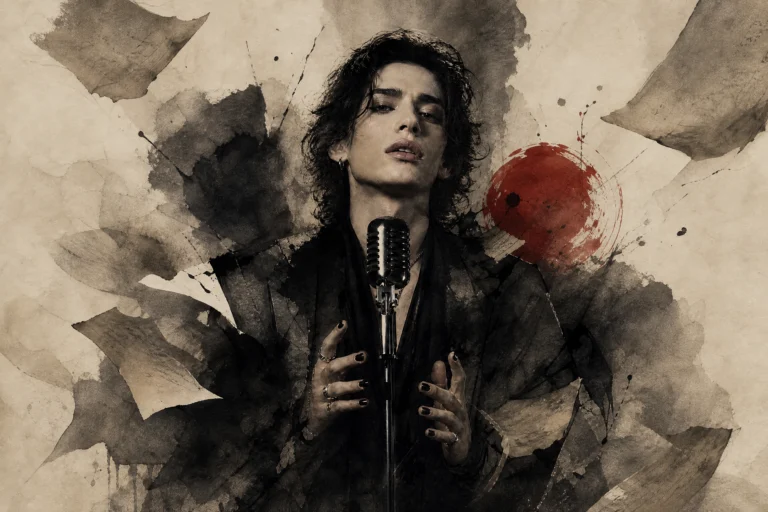 Ink
InkNovel Ink Wash
Ink, paper fibers and deliberate negative space for literary, inward-looking songs.
 Underground
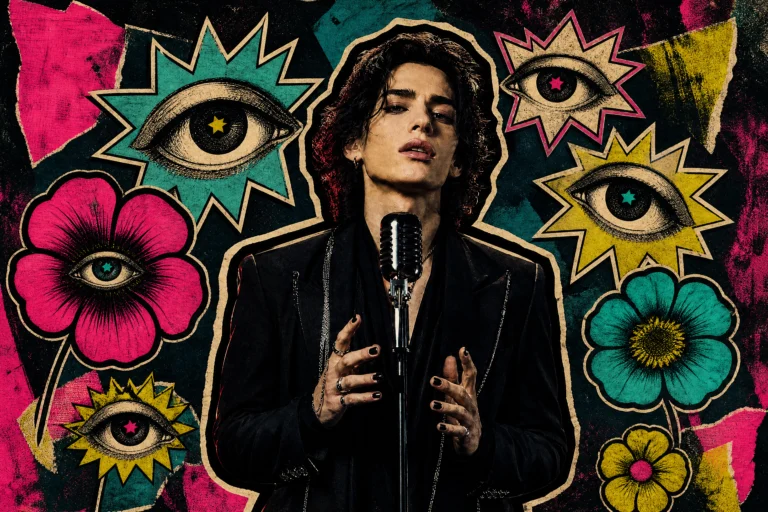
Lowbrow Bold Line
Underground comic influence, heavy outlines and surreal character emphasis.
 Expressive
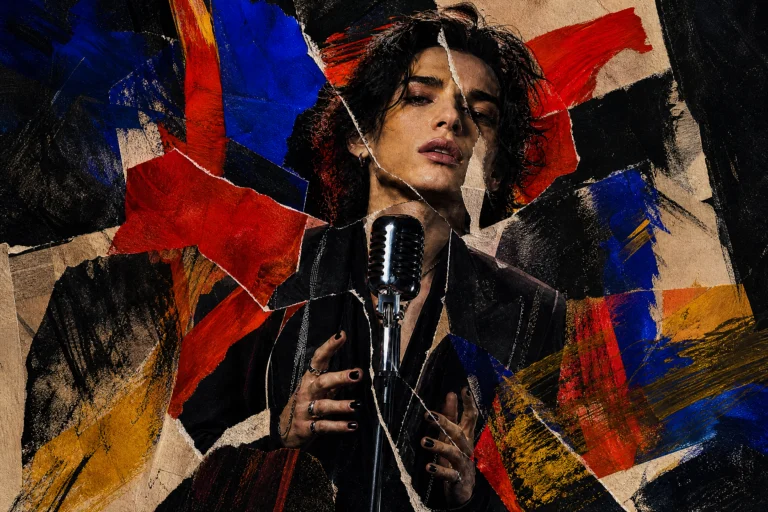
Collage Expressionism
Torn paper and gestural paint for protest, rock or emotionally intense tracks.
 Futuristic
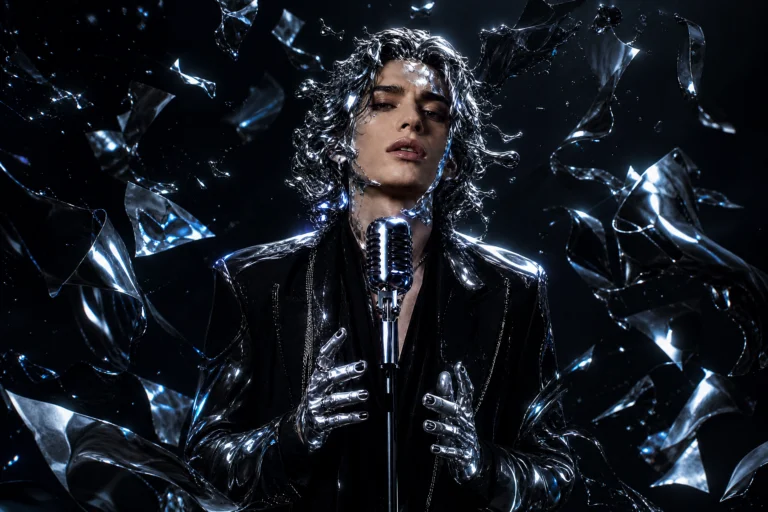
Liquid Chrome
Molten metal, cold light and fluid surfaces for electronic and futuristic music.
 Atmospheric
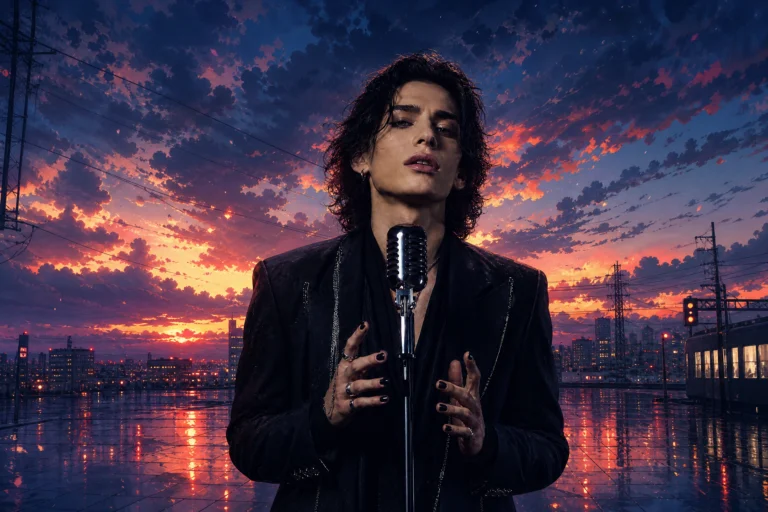
Cinematic Anime Sky
Wide skies, sunsets, rain and city lights for emotional rises.
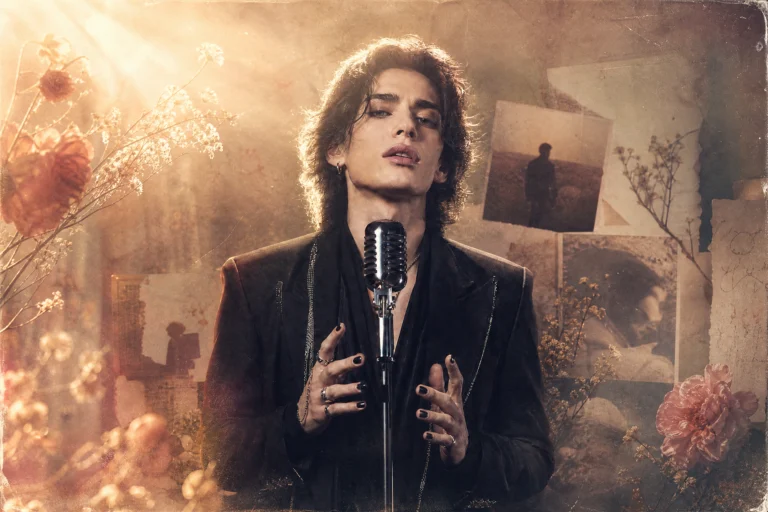 Nostalgia
Nostalgic Bloom
Film grain and soft light leaks for memory, longing and romantic narratives.
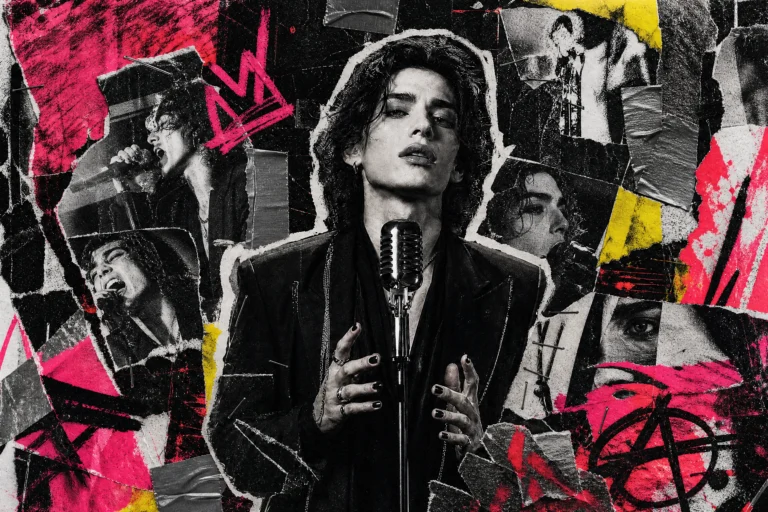 Punk
PunkPunk Collage
DIY concert posters, photocopy noise and torn surfaces for high energy.
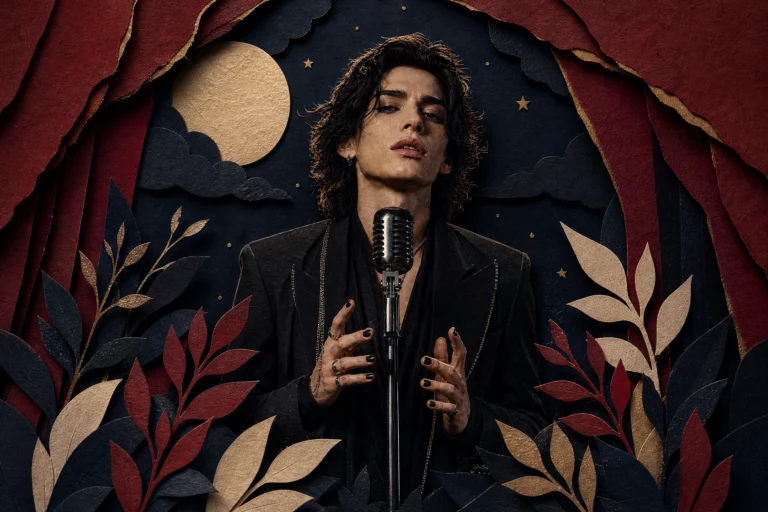 Diorama
Paper Diorama
Paper cut-outs, miniature staging and shadow layers for a storybook world.
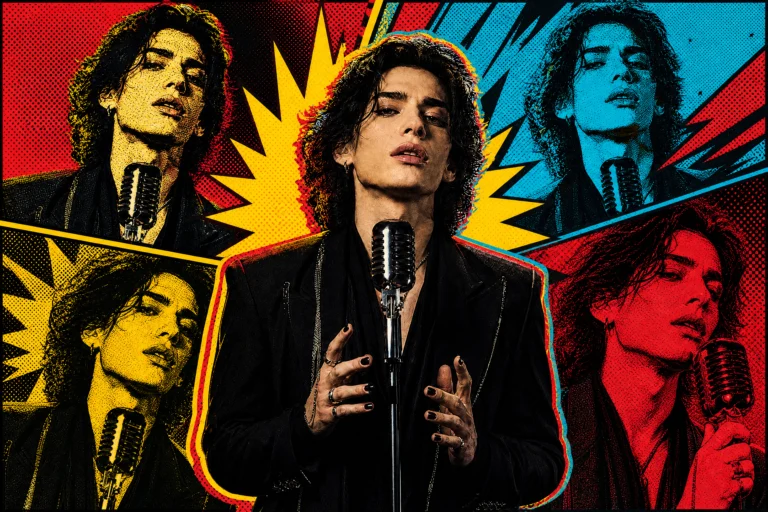 Graphic
Screentone Pop Art
Repeated portraits, halftone texture and graphic rhythm for pop and dance clips.
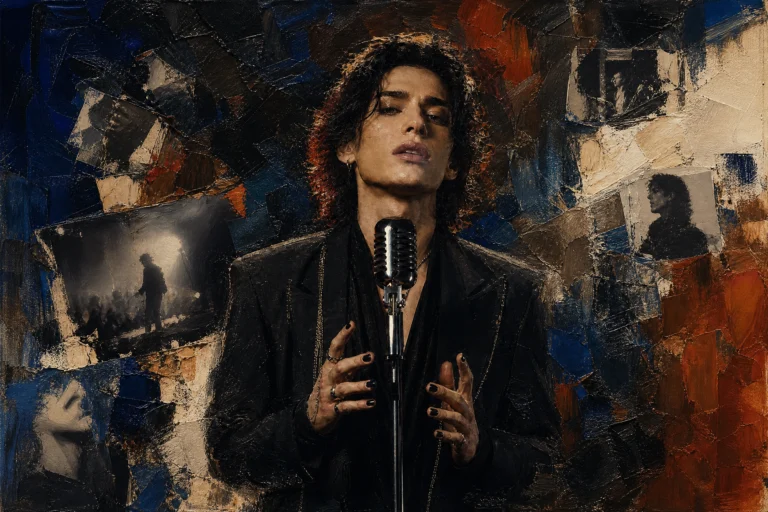 Pictorial
Painterly
Canvas texture, visible brushwork and a painted surface for emotional performance.
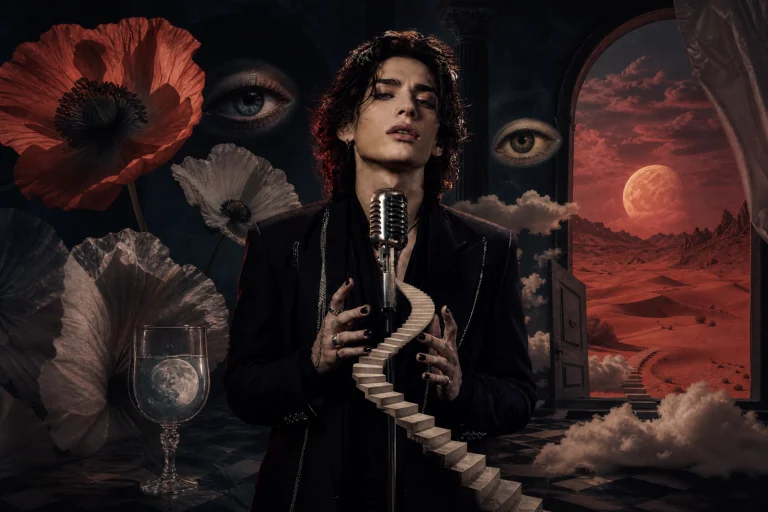 Surreal
New Surrealism
Dream logic, impossible scale and symbolic objects for experimental storytelling.
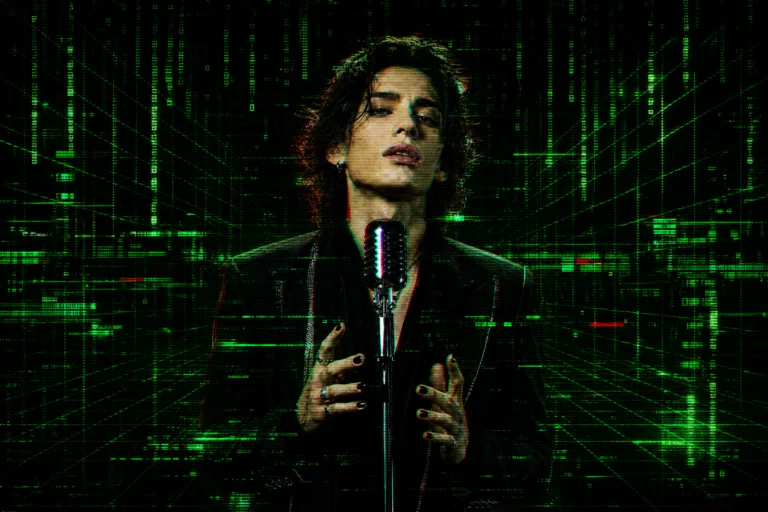 Digital
Matrix Glitch
Code, scanlines and digital distortion for a cyber and experimental electronic world.
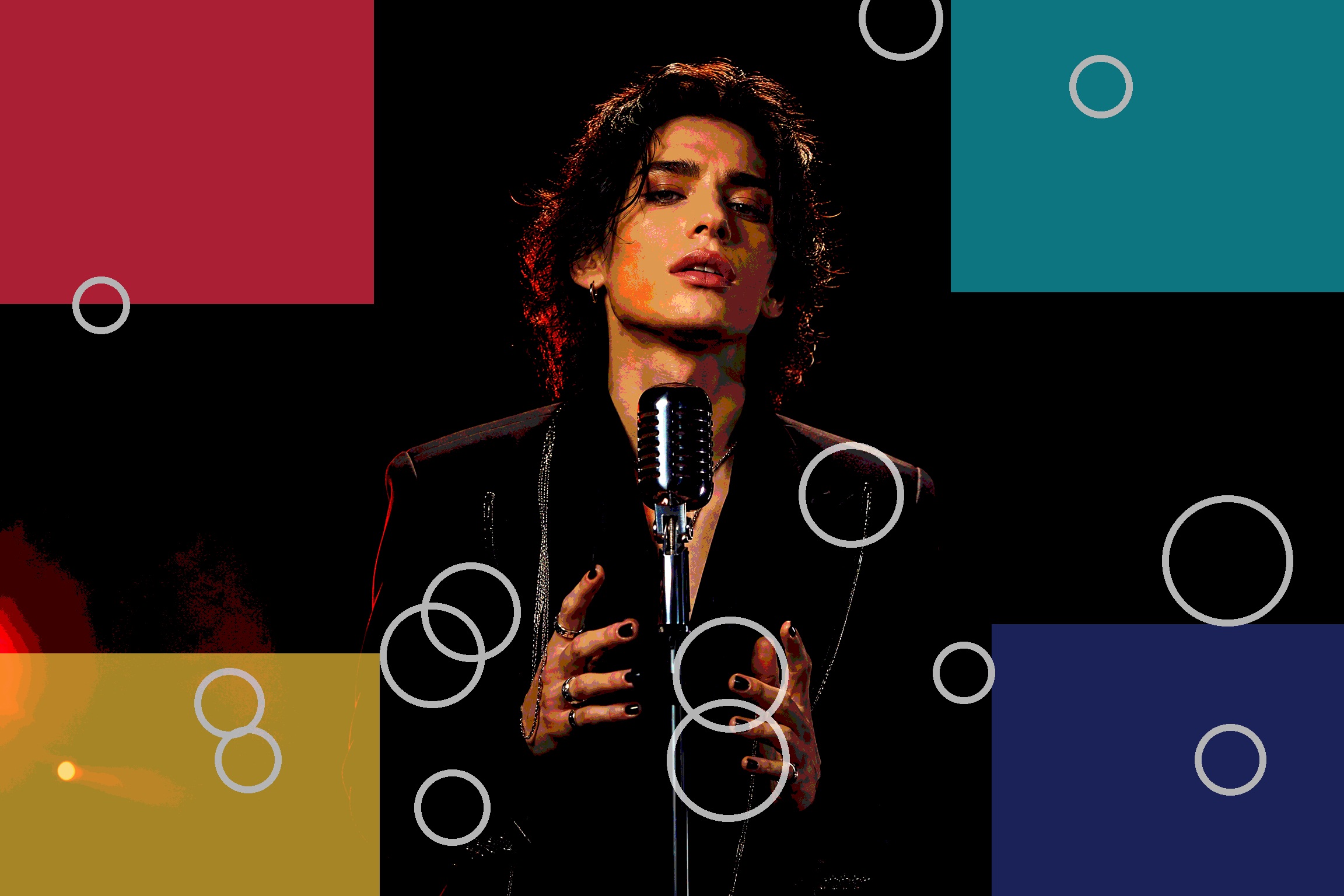 Flat Pop
Flat Pop Art
Limited colors, print layers and clean silhouettes for an instantly readable pop identity.
 Modular
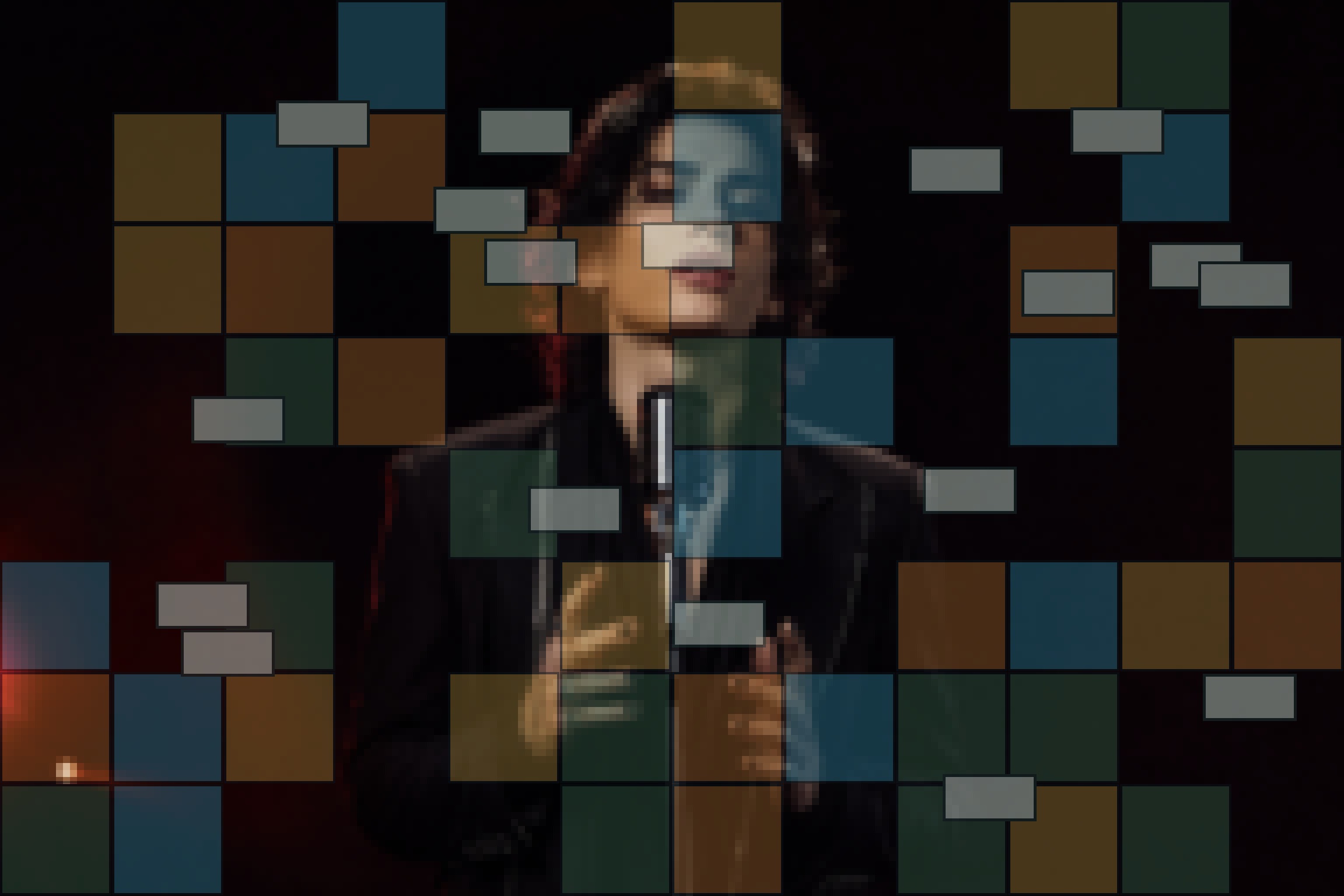
Sandbox Game Aesthetic
Use voxel logic as a physical modular stage rather than a simple screenshot.
 Classical
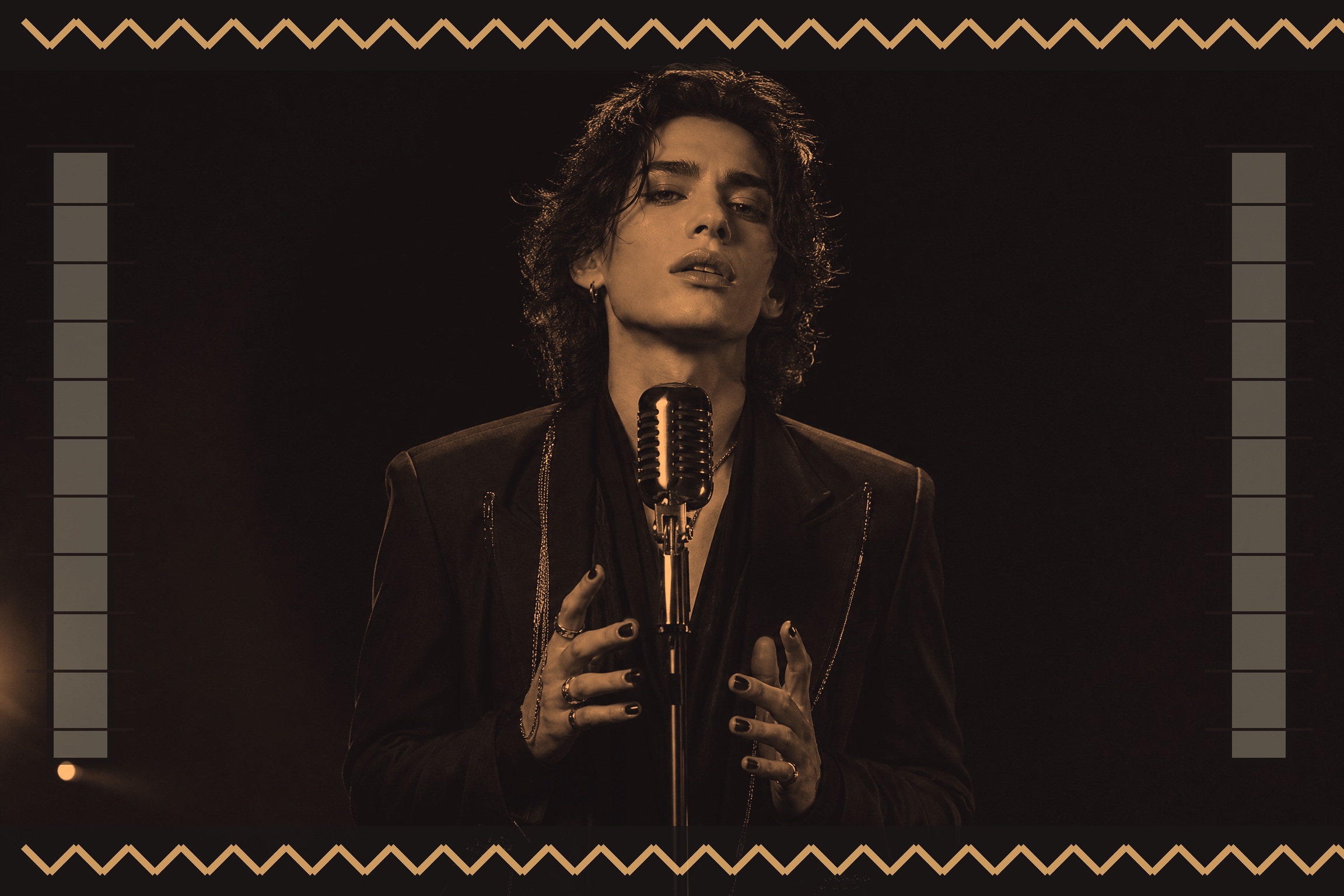
Ancient Greek
Terracotta, vase painting, columns and archaeological layers for a ceremonial world.
 Pop Surreal
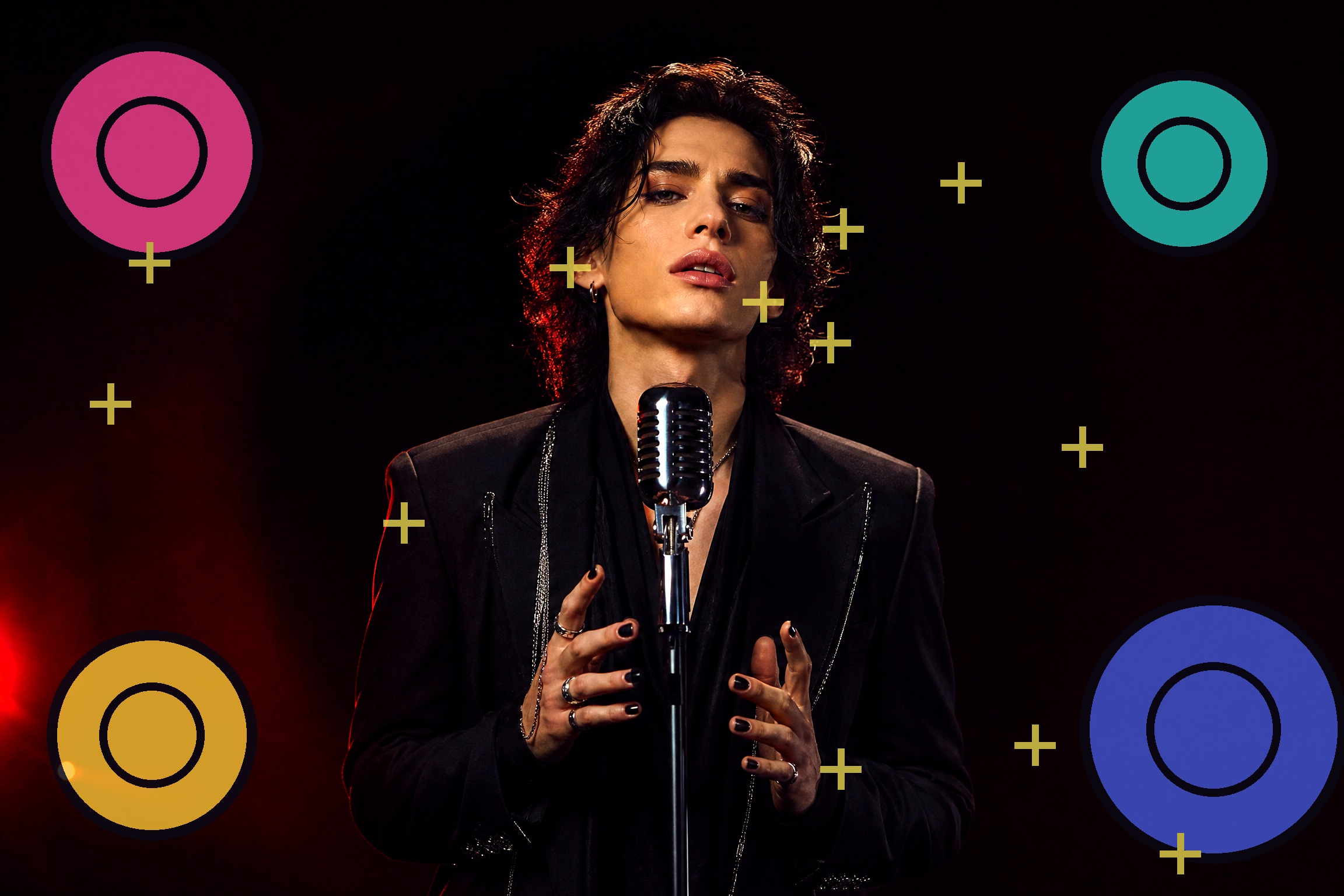
Lowbrow / Pop Surrealism
Strange eyes, bold lines and controlled character deformation for an underground tone.
 Renaissance
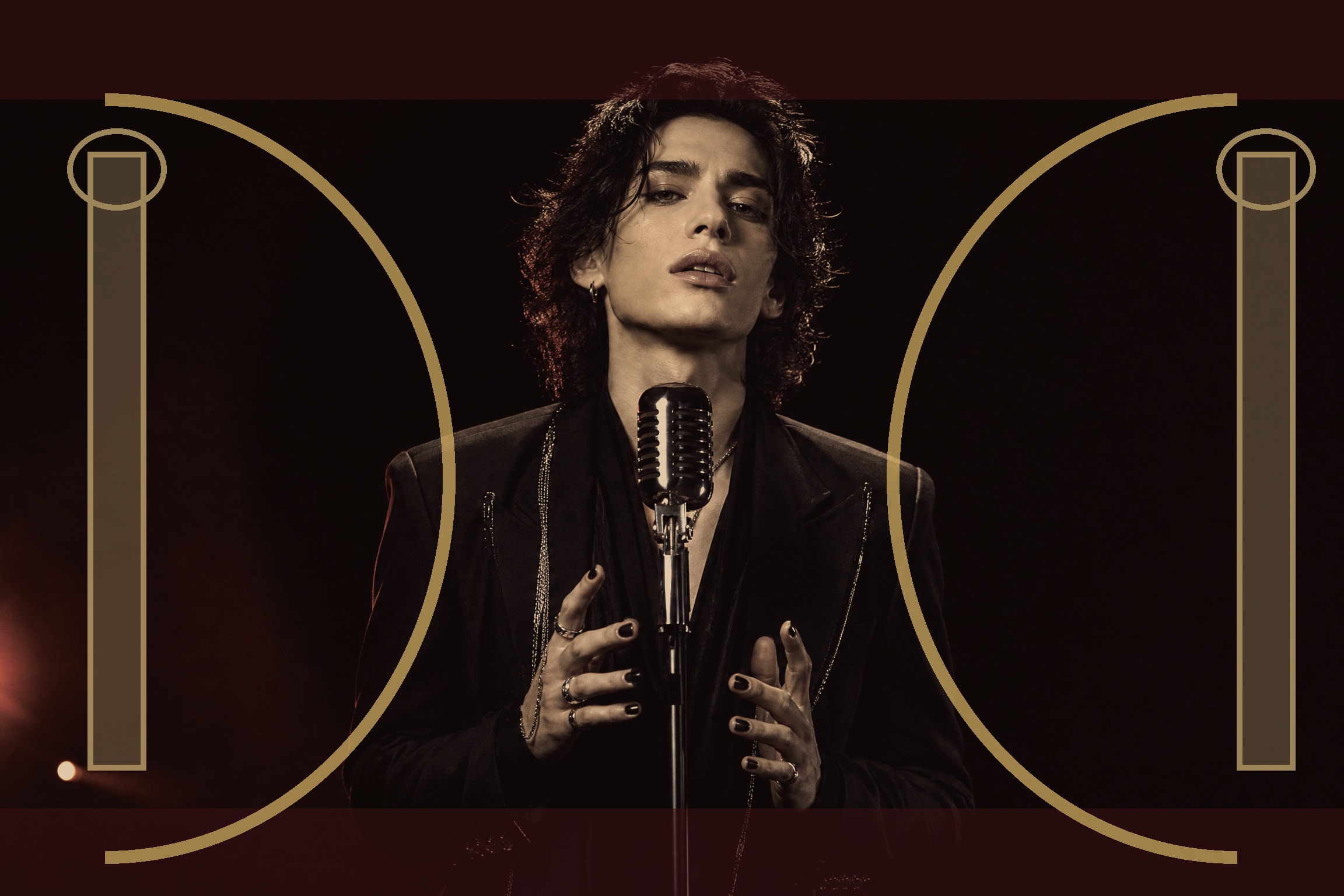
Renaissance Revival
Chiaroscuro, velvet, parchment and gold leaf for a classical yet contemporary scene.
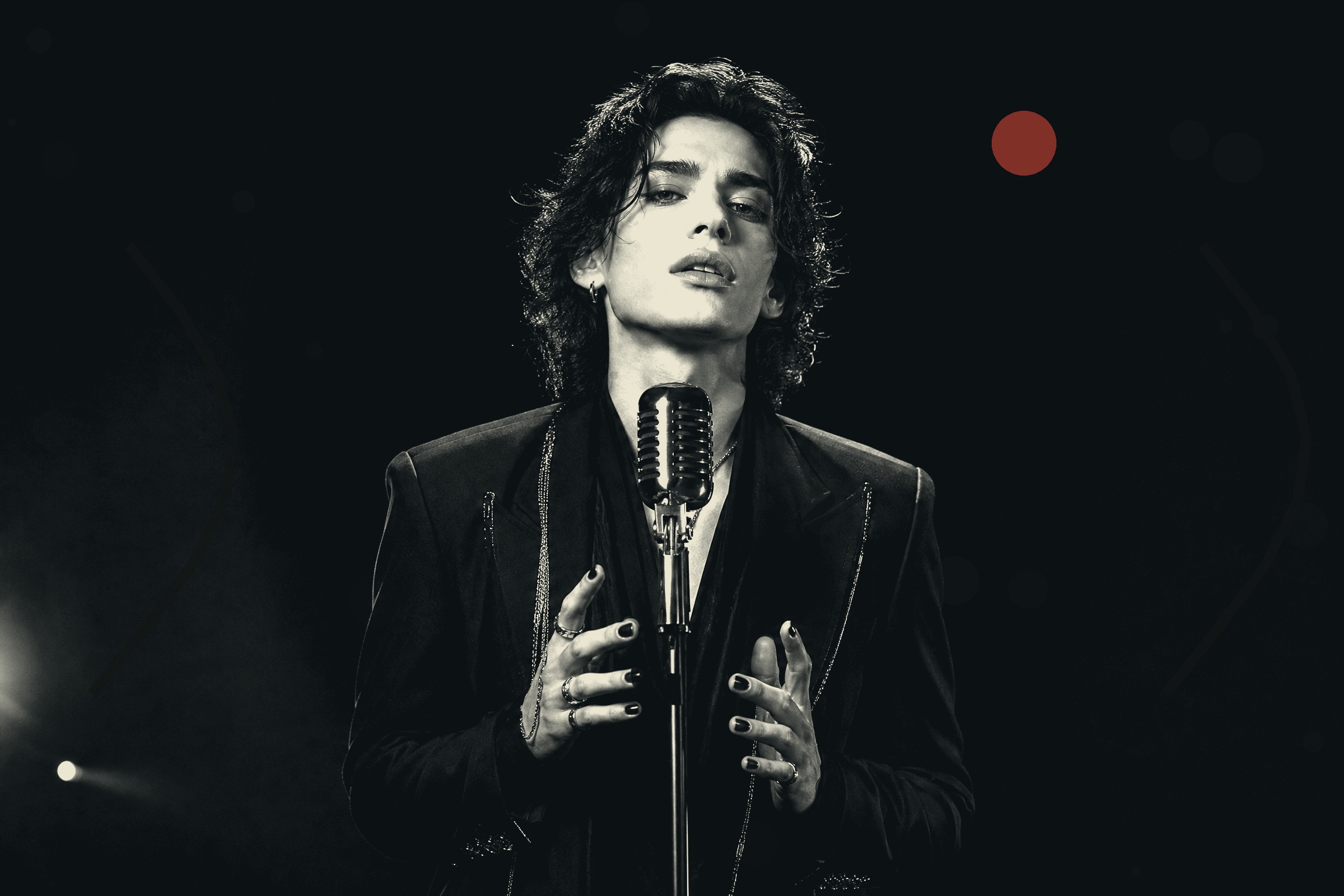 Minimal
Sumi-e
Ink wash, water density and negative space for a calm, minimalist performance language.
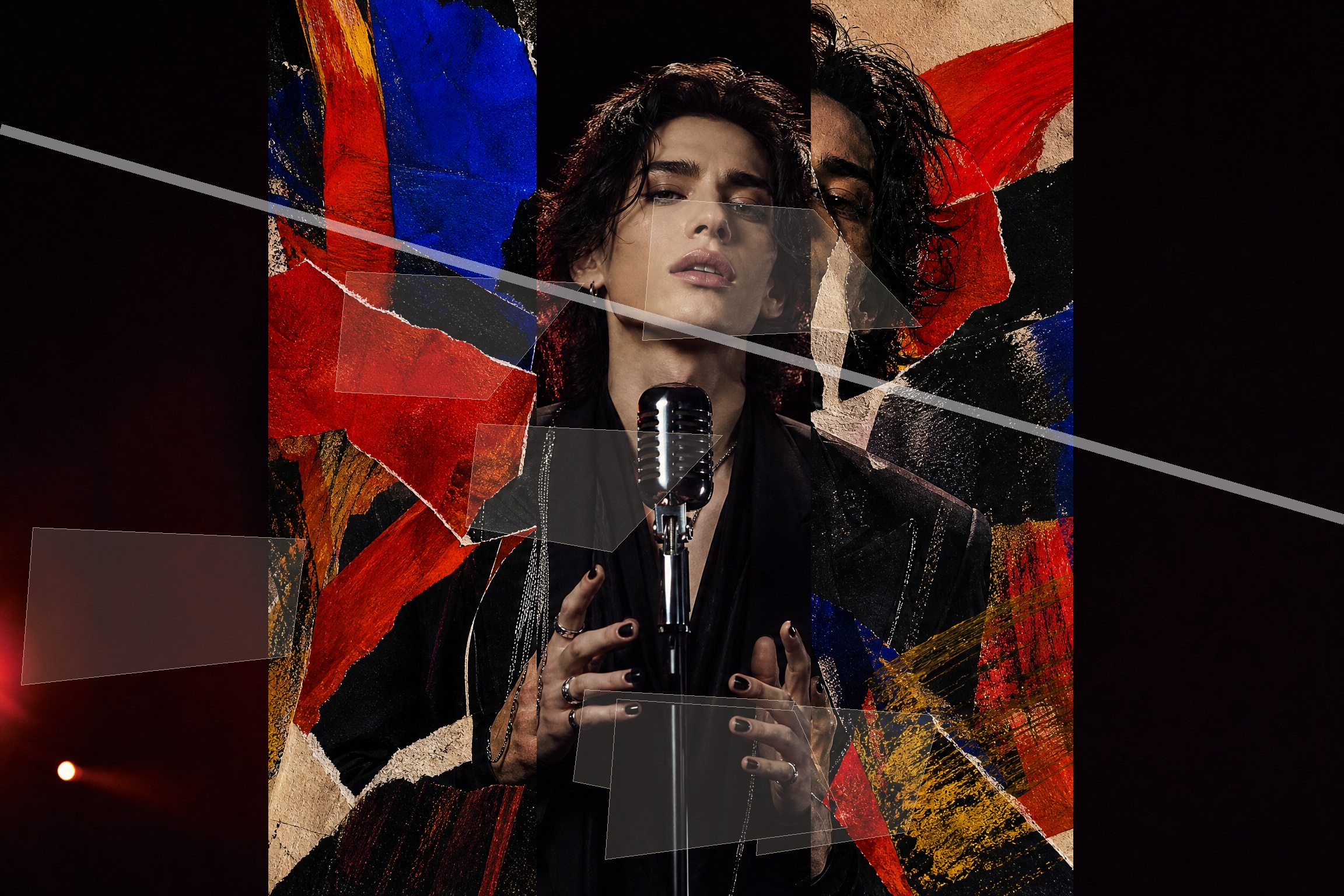 Analog
Collage
Photography, paint, paper and transparent layers brought together as one controlled system.
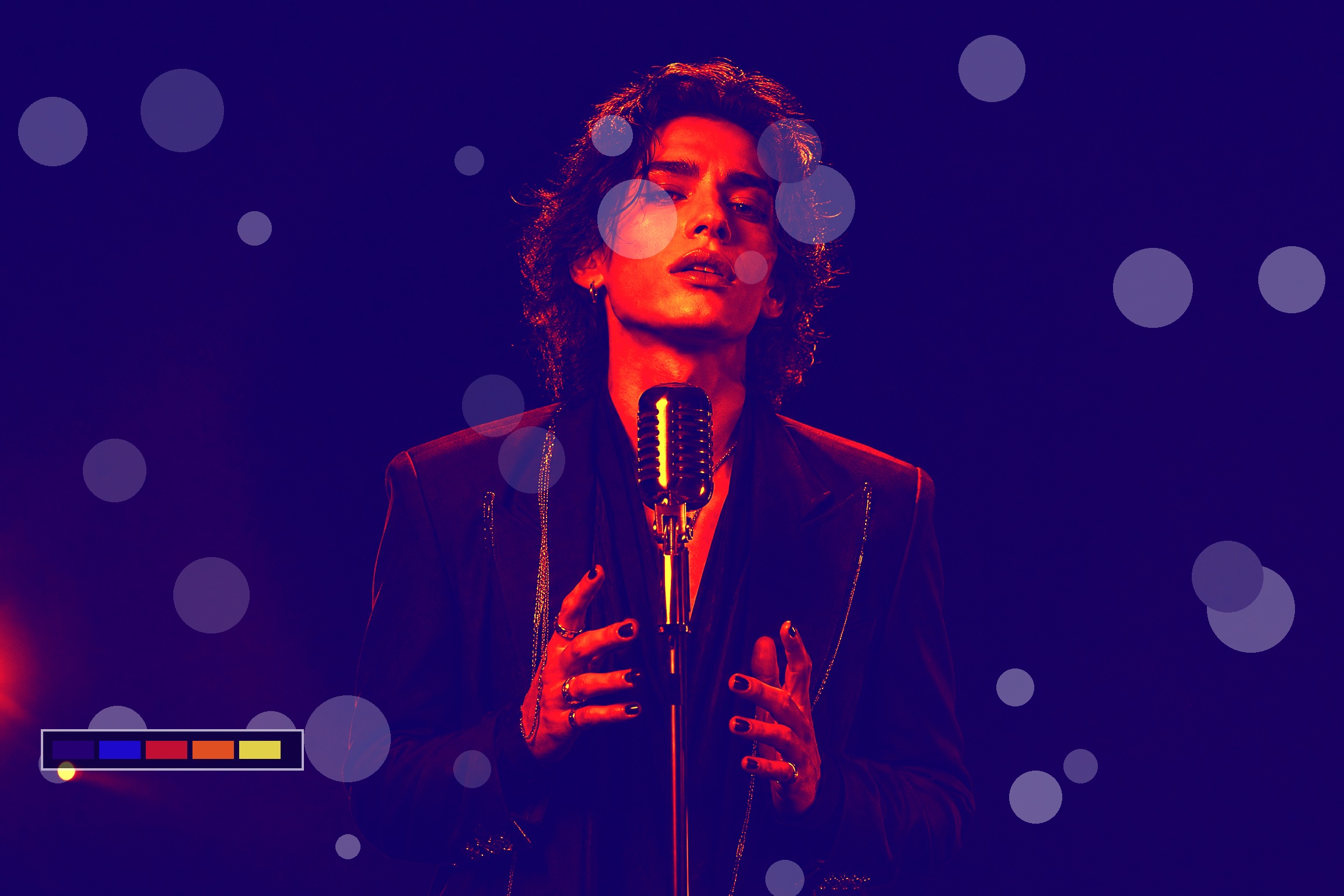 Data
DataThermal
Heat-map colors and scan layers make body, light and data visible.
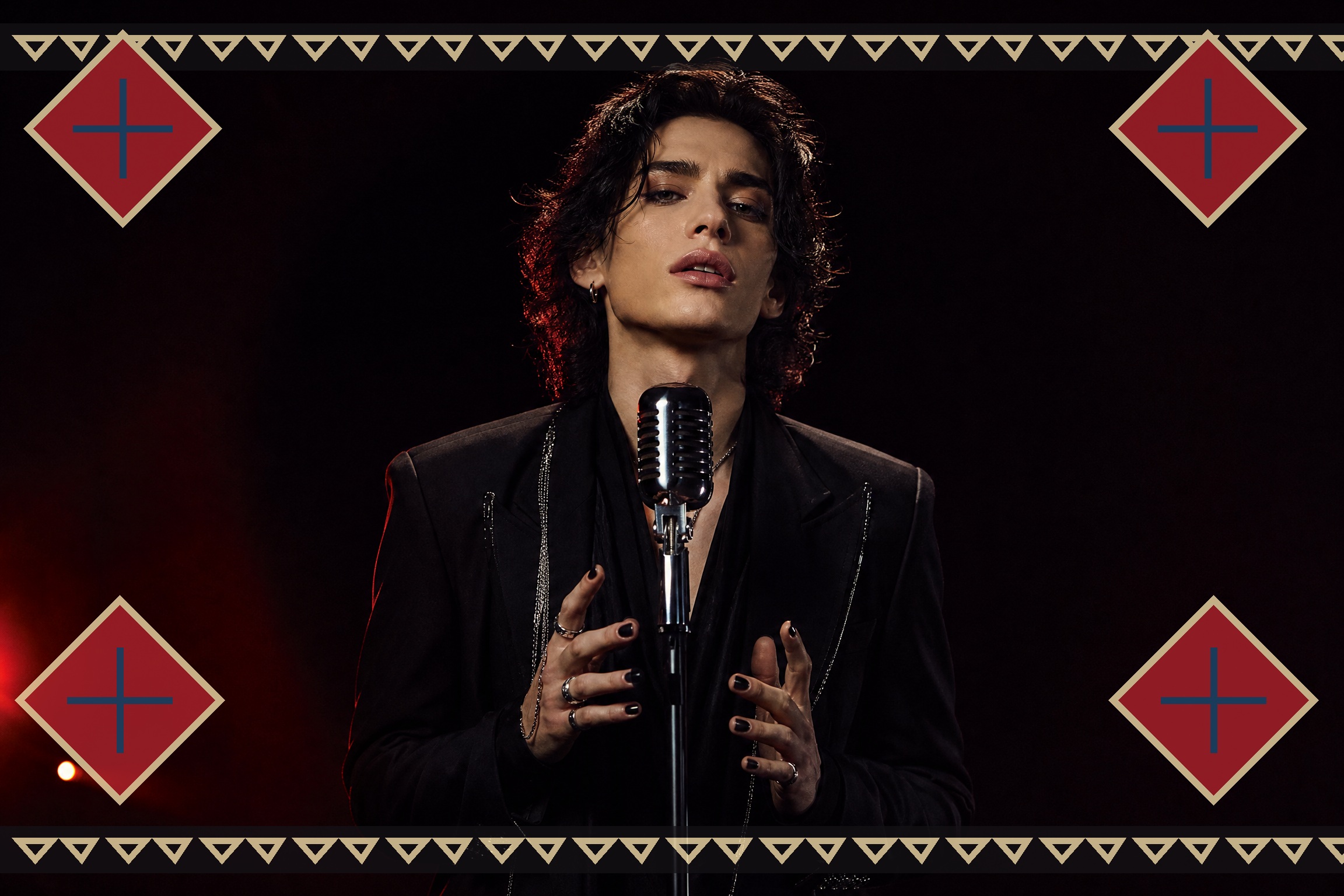 Folkloric
Slavic Folk
Textile, embroidery, diamond motifs and woven borders for ritual and rooted feeling.
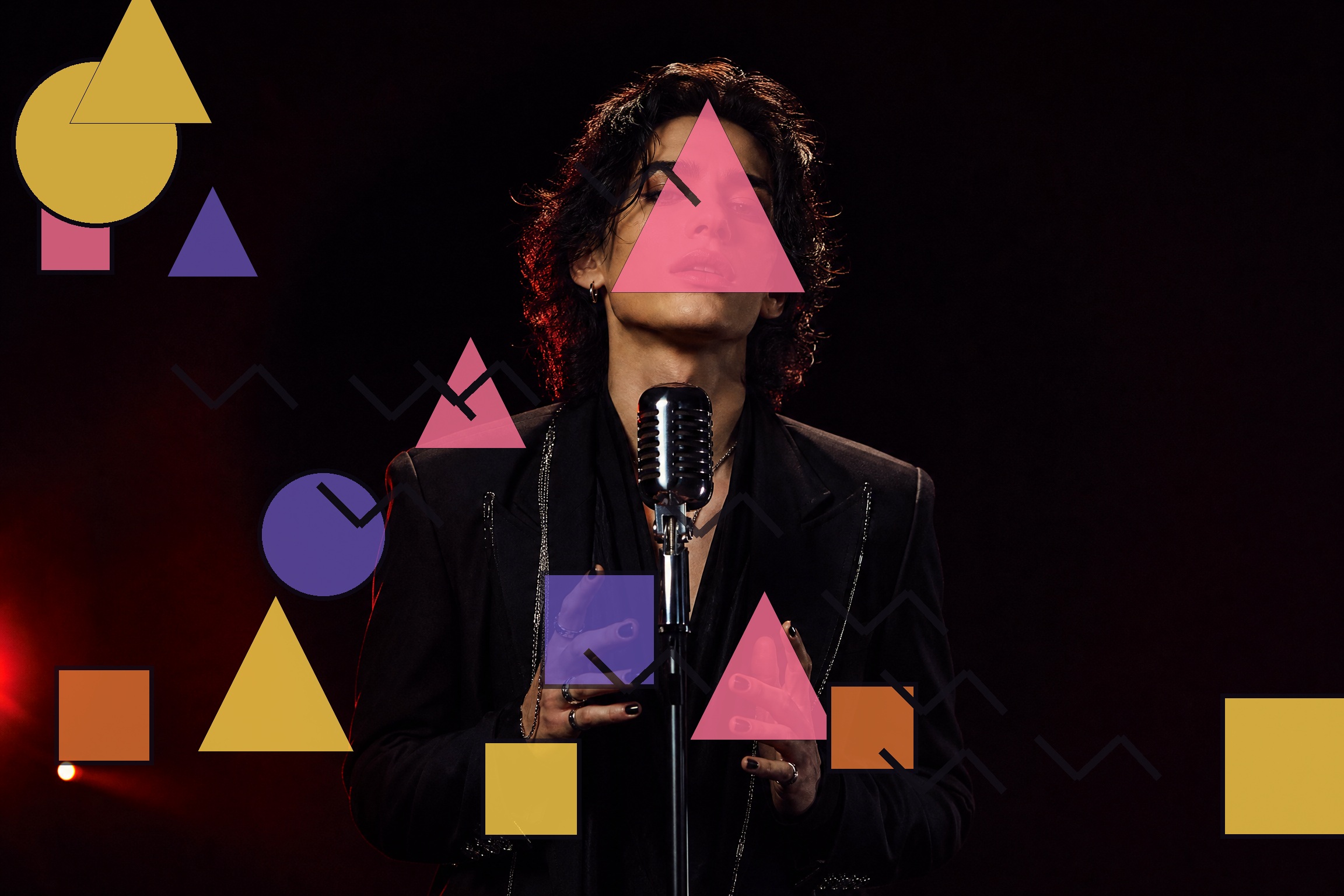 Retro
Retro1980s Memphis
Bright retro colors, paper layers and controlled disorder for a playful finale.
Choose the collage style that fits your song
A collage style is not just a filter; it is an art-direction decision that shapes the song’s emotion, artist identity, scene continuity and relationship to rhythm.
Dark and cinematic
Shadow, symmetry, classical portraiture and strong contrast.
- Dark Art Deco
- Neo-noir Comic
- Renaissance Revival
Pop and dance
Flat color, repetition, print rhythm and high readability.
- Flat Pop Art
- Screentone Pop Art
- 1980s Memphis
Punk and rock
Torn surfaces, hard outlines and gestural paint.
- Punk Collage
- Lowbrow Bold Line
- Collage Expressionism
Electronic and experimental
Metal, data, scanlines and color shifts.
- Liquid Chrome
- Matrix Glitch
- Thermal
Nostalgic and narrative
Film grain, negative space, brushwork and soft light.
- Nostalgic Bloom
- Painterly
- Novel Ink Wash
- Sumi-e
How do you write an AI music video prompt?
Do not stop at the style name. Define the subject, collage technique, color palette, lighting, camera movement and character continuity together.
Example prompt: Vocalist performing at a chrome microphone in the center; premium punk collage visual language; torn photocopy paper, red-black-cream palette, hard flash, visible print misregistration, same face and black outfit preserved; fast cuts in the chorus, 16:9 cinematic music video.
Four rules for keeping a collage style consistent
Keep the reference image and material behavior stable while changing only the scene variable.
Choose one primary surface
If you choose paper, preserve its fibers, torn edges, shadows and print behavior in every scene.
Limit the palette
Four or five core colors strengthen continuity and character readability across AI-generated scenes.
Keep the same reference
Change only the scene variable while preserving the same face, costume, base composition and light direction.
Connect transitions to the music
You can increase color intensity in the chorus and change surface or camera language more subtly in the bridge.
Frequently asked questions
Short answers about choosing a collage style, writing prompts and maintaining visual continuity in an AI music video.
How do you choose a collage style for an AI music video?
Start by defining the song’s emotion and tempo. Then match the style’s color palette, surface texture, compositional density and movement potential to the song. One primary style and no more than one supporting style usually keeps the visual language coherent.
What are the best collage styles for an AI music video?
There is no single best style. Dark Art Deco or Neo-noir Comic suit darker tracks; Punk Collage or Flat Pop Art suit energetic songs; Liquid Chrome or Matrix Glitch work well for electronic music; Nostalgic Bloom or Painterly are strong starting points for nostalgic tracks.
How do you add a collage style to an AI video prompt?
Build the prompt around the subject, collage technique, color palette, lighting, camera movement and continuity constraints. For example: “Vocalist in the center, punk collage with torn photocopy paper, black-red palette, hard flash, fast cuts synchronized to the rhythm, same face and costume preserved.”
How do you keep the same collage style consistent across a video?
Keep the same reference image, character description, color palette, lens feeling and material description in every scene. Changing variables one at a time strengthens character and art-direction continuity in AI generation.
Leave a comment