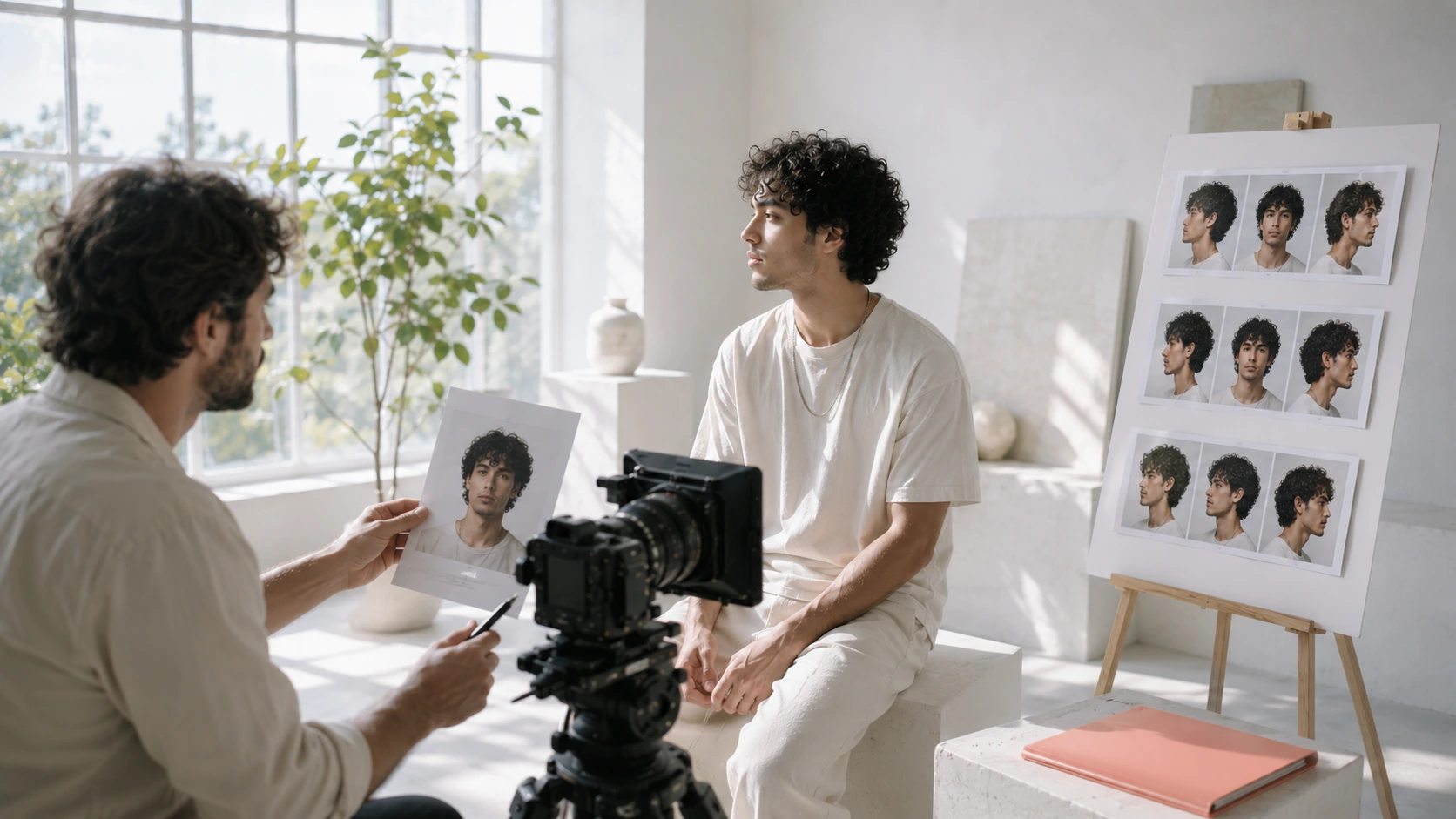
“Cinematic” is used so often in AI video marketing that it’s nearly lost its meaning. It isn’t a filter or a look you switch on — it’s a set of specific, learnable production choices. Here’s what actually earns the word.
Camera language, not just pretty frames
Cinematic footage moves like a camera operated by someone making deliberate choices — considered framing, motivated camera movement, a sense of where the “lens” is in space. Generic AI video often looks technically clean but has no camera logic behind it at all.
Lighting that serves the story
Lighting in cinematic work is directional and motivated — it comes from somewhere, shapes mood, and changes with the scene’s emotional beat. Flat, evenly-lit generated footage is the fastest way to look like a demo rather than a film.
Color grading as a unifying pass
A single, considered grade ties every shot together into one visual world. Without it, even well-generated individual shots read as disconnected clips rather than a film with its own identity.
Pacing and editorial rhythm
Cinematic pacing holds a beat when a moment calls for it and cuts fast when the story demands urgency — a deliberate editorial rhythm, not just clips laid end to end in generation order.
Consistency across the whole piece
All of the above only reads as cinematic if it holds together for the full runtime — the same visual rules from first frame to last. See our KING project for an example of this consistency sustained across an entire piece, and our studio page for how we build it into every production.
Leave a comment