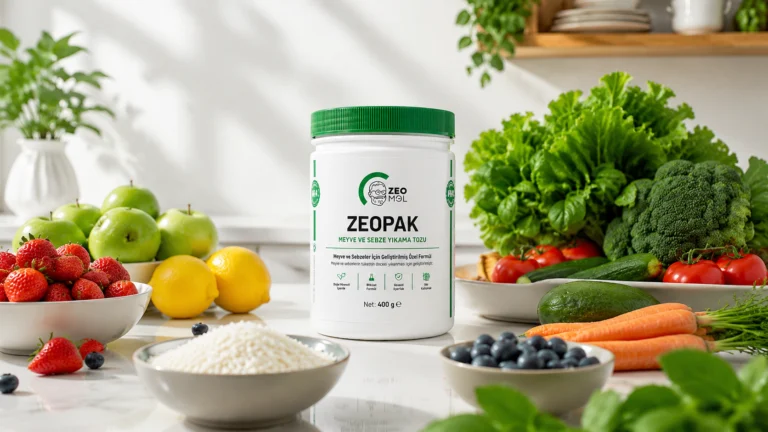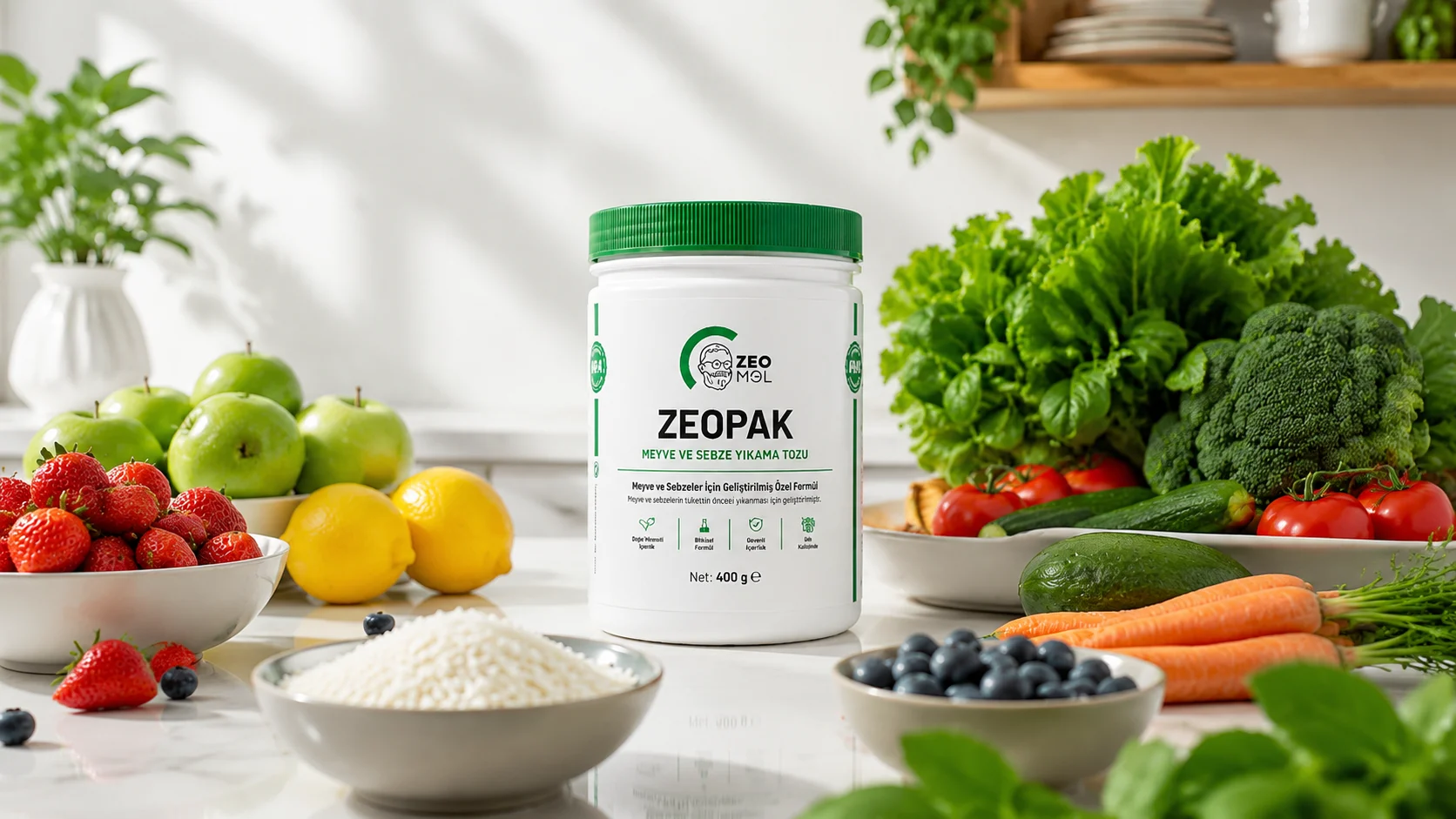
Short answer: audiences know exactly how food should look, move and glisten, so generated food easily falls into the uncanny. The strongest AI food and beverage commercials keep the product real, shot in a studio or table-top, and use AI for everything around it: settings, seasons, atmosphere, transitions and the world the brand lives in.
Why food is hard
- Texture and physics: steam, melting cheese, pouring liquids, condensation on a cold can.
- Appetite appeal: tiny details decide whether food looks delicious or artificial.
- Accuracy: advertising rules generally expect the product shown to represent what customers receive.
What AI does well
- Kitchens, restaurants, picnics, landscapes and seasonal settings around a real product shot.
- Stylised worlds, ingredients floating, farms at dawn, cities at night.
- Fast versions for different markets and platforms.
The hybrid table-top
Shoot the hero product and pours for real with controlled light; generate the environment to match the light direction and lens; composite with care for reflections and steam. The product stays honest; the world becomes cinematic.
Start your project
See AI commercial production and our guide to live action and AI.
Frequently asked questions
Can AI generate realistic food for ads?
Sometimes, but food is one of the hardest subjects. Keeping the hero product real and generating the world around it is more reliable.
Is it allowed to show AI-generated food in advertising?
Advertising rules generally expect the product shown to represent what customers get. Check local regulations; keeping the product real avoids the issue.
What is a table-top shoot?
A studio shoot of products and food on a set table, with controlled light, often used for pours, steam and close detail.
Related guides
This work at Leopati
Service: AI Commercial Production