Short answer: to make a commercial with AI, you first pin down the brief and every platform cut that will be delivered, and you lock the product and the brand look before production. The scenes are generated against those references; the main film is then finished with edit, colour and sound, and the vertical, short and silent versions are cut from the same assets. What makes the difference is not the tool but the product and the brand staying the same in every cut.
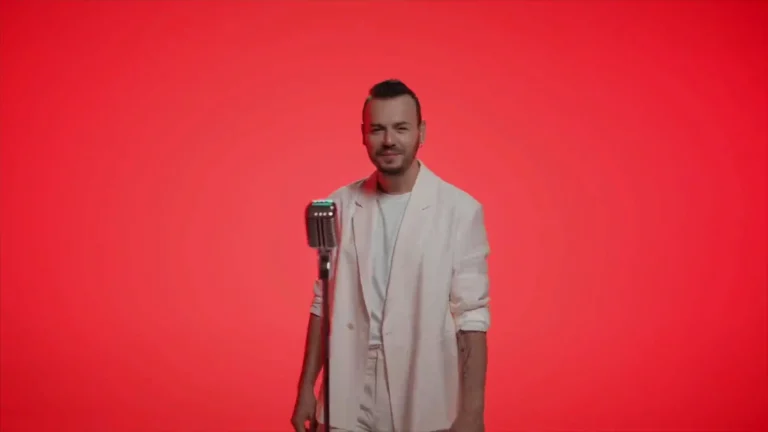
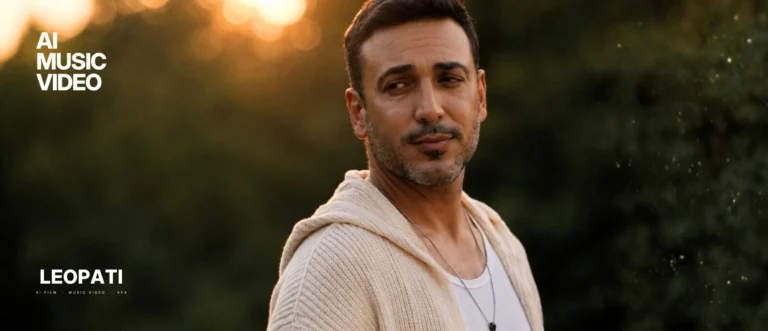
This guide follows the path taken on the Zeopak and Vanti commercials produced by Leopati.
1. Pin down the brief and every cut from the start
A commercial is rarely released as a single file: you may need the main film, a short teaser, vertical social versions and a cut that plays without sound. Writing all of them into the brief prevents re-production later and makes the quote clear in one go. The brief should include the product or brand, the main message, references, the media and durations, any brand rules and legal restrictions.
2. Lock the product and the brand look
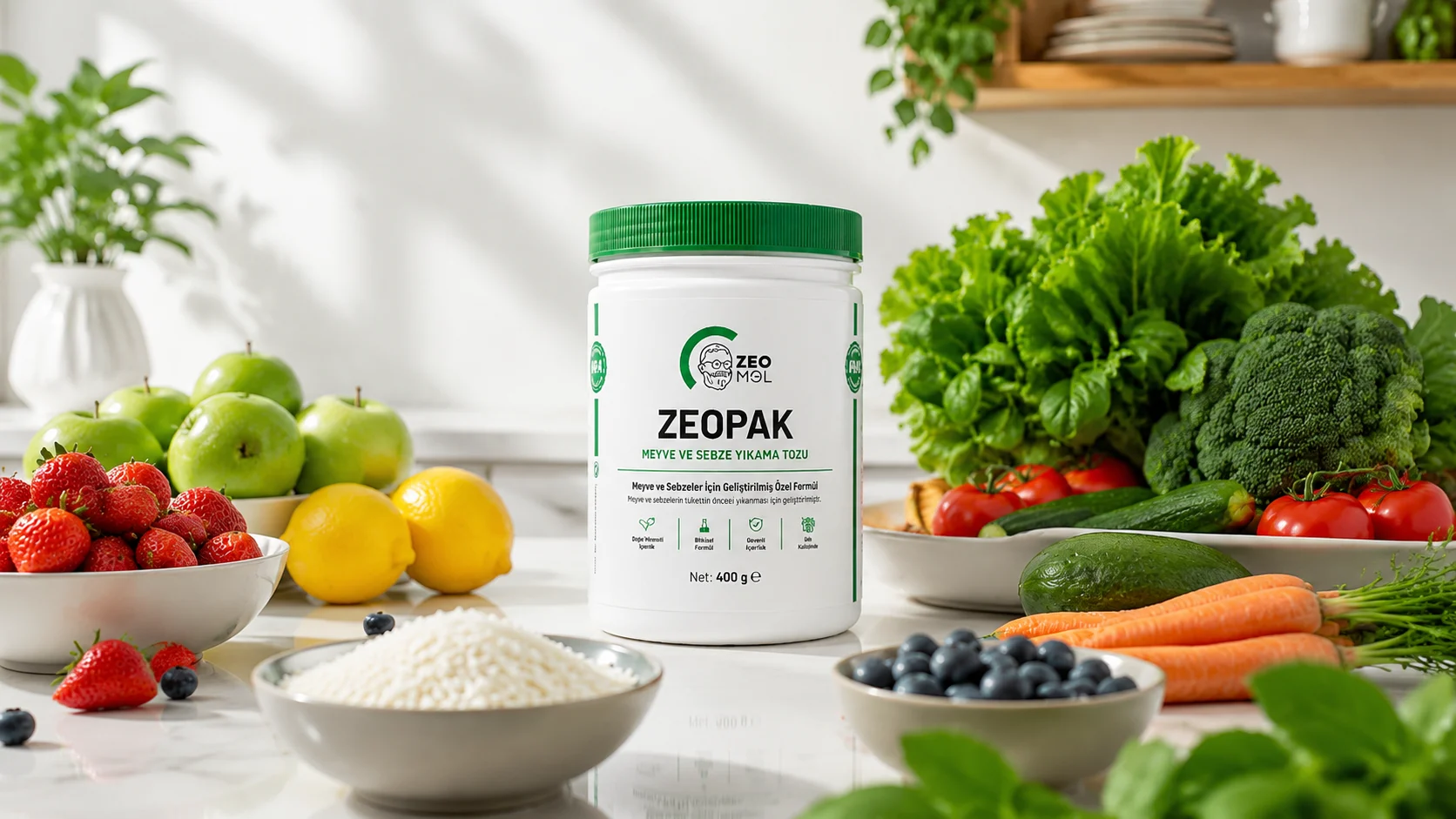
The biggest risk in an AI commercial is the product turning into a copy that does not look like itself. That is why the real packaging, colours and logo are fixed as references before production, and every shot is checked against them. In Zeopak, ZEOMOL’s real ZEOPAK packaging and the steps of using it in the kitchen stayed visible throughout the film.
3. Write the scene plan
What each scene says, which product moment it shows and how many seconds it lasts are set down in writing. If the product benefit is to be told in a short format, the moments of use and the short on-screen texts are decided at this stage.
4. Generate the scenes
Scenes are first generated and approved as images, then turned from image into video. Every shot is compared with the locked product and brand references; a shot that does not match is generated again. Human creative direction decides whether the product is represented correctly.
5. Edit, colour and sound
The main film is edited and turned into a release-ready master with colour grading and sound design. At this stage, shots produced on different days start to look like parts of one campaign.
6. Cut the platform versions from the same assets
The vertical, short and silent versions are not produced again; they are re-edited from the same locked assets. Zeopak is a 1:04 vertical social media commercial delivered in 9:16 at 1080 × 1920; Vanti is not a single film but a set of commercials that keeps the same brand tone across different social media formats.
A ready-made AI tool or a production studio?
A tool produces a single clip. A studio takes on the concept, product accuracy, character and brand consistency, the edit, colour, sound and every platform cut. A tool may be enough for a quick test; in a campaign that will be published, the product and the brand have to stay the same in every cut.
What sets the timeline and the cost?
There is no fixed price list; every commercial is quoted from its brief. The deciding factors are the length of the finished footage, the number of scenes, how consistent the product or character has to stay and the number of platform cuts to be delivered.
Frequently asked questions about AI commercials
Can the real product and packaging be used in an AI commercial?
Yes. In Zeopak, the real ZEOPAK packaging and the steps of using it stayed visible throughout the 64-second vertical film; product accuracy was checked shot by shot before delivery.
How many formats come out of one production?
Alongside the main film, vertical, square, short and silent social media cuts can come out of the same production. The formats needed are set at the brief stage.
How long does an AI commercial take to make?
It depends on the number of scenes and the number of formats required. The schedule is shared once the brief is clear; a single short social media film moves much faster than a campaign with many cuts.
How is an AI commercial priced?
There is no fixed price list. The cost is set by the length of the finished footage, the number of scenes, the consistency required and the number of formats to be delivered.
Who owns the rights to the finished commercial?
The commercial usage rights to the delivered work belong to the client within the scope set in the contract. Exclusivity is not automatic; if the campaign needs it, it is agreed separately.
Let’s talk about your campaign
You can see the process and example work on our AI commercial production page and send us your brief.
Related guides
This work at Leopati
Service: AI Commercial Production