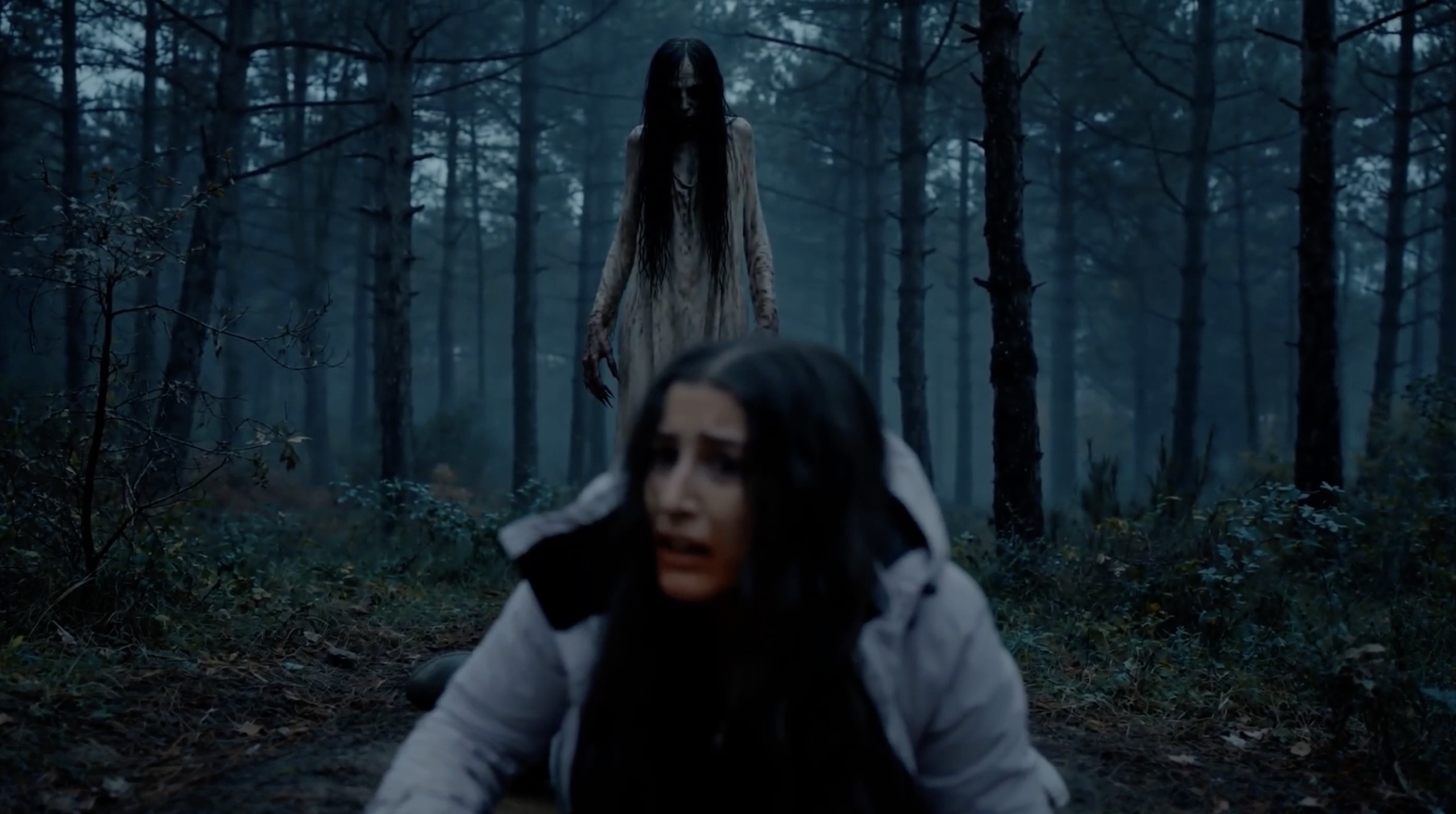
AI VFX and Generative Sequences for Film Production
AI-generated VFX sequences can be cut into traditionally produced footage, but only when they are created and finished to match the live-action plate. That means matching lens, motion, lighting, grain and temporal behavior, then delivering layered elements, mattes and camera data suitable for professional compositing and color grading.
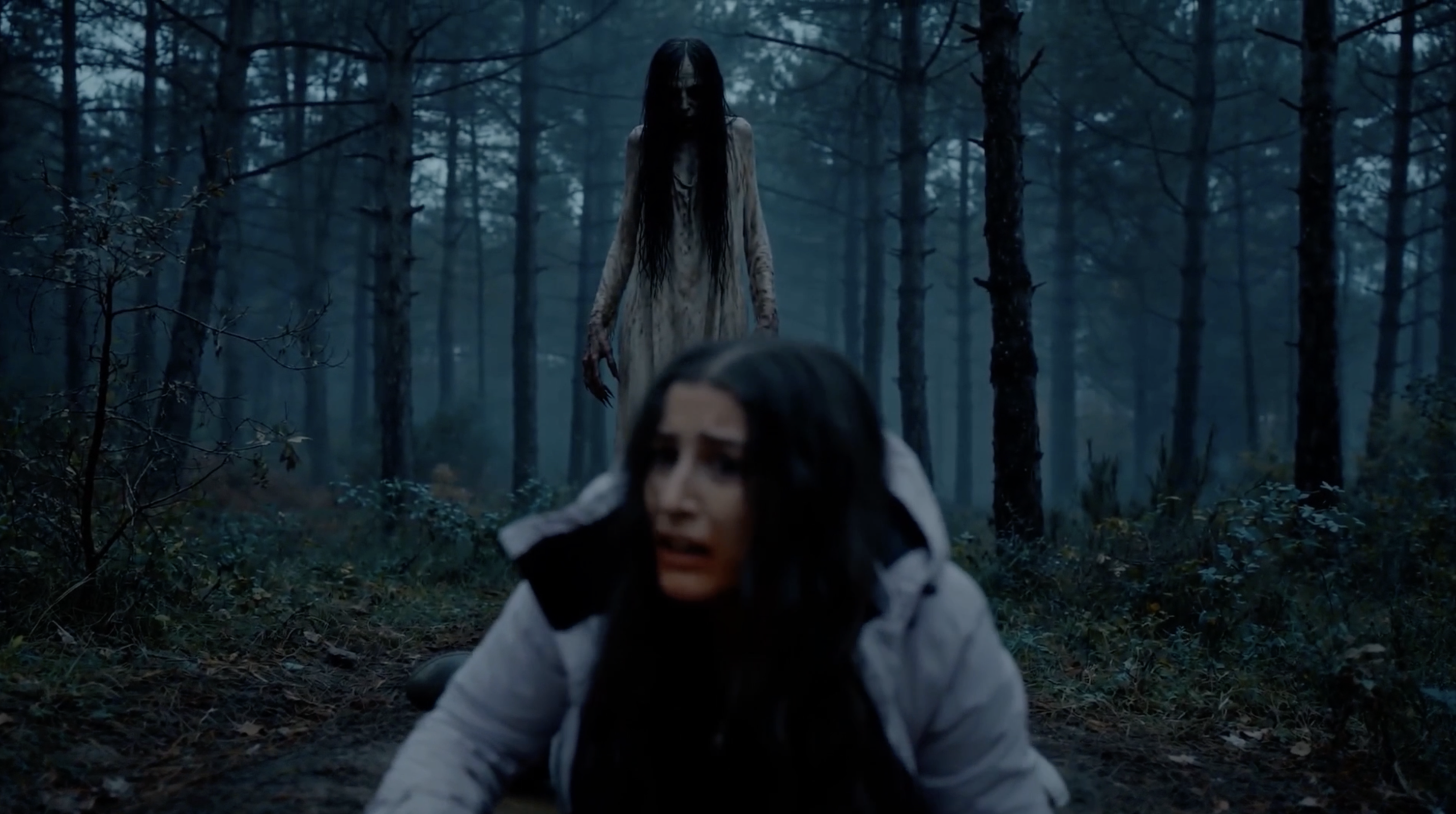
Why AI VFX for film?
AI tools accelerate asset generation, concept exploration and sequence prototyping. For production teams they can reduce the time spent on iteration (rapid background/creature/vehicle concepts), create complex environmental fills, or produce alternate takes for editorial. But speed alone doesn’t guarantee a cuttable result — integration and finish are the crucial steps.
Can AI-generated sequences cut into traditionally produced footage?
Short answer: yes — with caveats. An AI-generated clip can be editorially cut into a real plate when:
- Optical characteristics (focal length, distortion, depth of field) match the camera and lens used on set.
- Camera motion and motion blur are consistent across the cut.
- Lighting direction, intensity, color temperature and specular behavior match the scene.
- Grain, noise profile and sensor response are matched and preserved over time.
- Occlusion and parallax are handled so elements naturally sit behind/in front of on-set objects.
- Color pipeline and deliverable formats are respected (log/RAW workflows, LUTs, etc.).
Meeting those conditions requires collaboration between the creative, VFX and editorial teams and a production-grade finishing pass.
Key continuity and compositing considerations
Camera solve & metadata: Accurate camera tracking and focal-length metadata let generated elements move convincingly. If camera metadata is unavailable, plan for photogrammetry or plate-based solves.
Plate integration & occlusion: AI elements must accept and cast occlusion with foreground actors and set pieces. That often requires rotoscoping, depth mattes or synthetic depth passes from the generator.
Temporal stability: Many generative models introduce flicker, boundary jitter or frame-to-frame variation. Temporal smoothing, optical flow stabilization and hand-corrected frames are standard fixes.
Grain, LUTs & color management: Matching film grain and sensor response is essential. Work in the same color pipeline (log/RAW where possible) and deliver EXR/DPX or high-bitrate ProRes with reference LUTs and grading notes.
Motion blur & physics: Motion trajectories and blur must feel physically plausible for the cut to read correctly; simulated or generated elements should have motion blur matched to shutter angle.
When to choose AI VFX vs. traditional VFX
AI VFX is most effective for:
– Rapid ideation and look development
– Backgrounds, large-scale environmental fills and crowd extensions
– Alternate takes where reshoots are costly
Traditional VFX remains the safer choice for tightly integrated, high-risk shots where precise simulation, physically accurate interactions, or close-up actor replacement are required. Many productions choose a hybrid approach: AI for concept and bulk generation, traditional methods for final hero passes.
Leopati’s workflow for cuttable AI VFX
- Assessment & temp test: We run a short shot test against your footage to surface lens/lighting constraints and temporal artifacts.
- Asset generation: Directed generative passes with camera-aware prompts to produce layered outputs (RGBA, depth, motion vectors where possible).
- Compositing & tracking: Camera solves, rotoscoping, plate integration and occlusion passes in a professional compositor (Nuke/After Effects workflows).
- Temporal finishing: Flicker removal, optical-flow stabilization and manual frame fixes where required.
- Color & deliverables: Graded masters, LUTs and editorial-ready files (notes and versions for editorial and finishing).
We emphasise editorial planning: which cuts will accept an AI-generated insert, where testing is required, and which shots should remain traditional VFX.
Limitations & quality control
AI outputs often need manual intervention to reach production quality. Expect iterative cycles for temporal stabilization, occlusion fixes and grading. We recommend test shots early in prep and locking lens/lighting references on set. Some looks that depend on exact physics (complex liquid sims, micro-detail close-ups) may still be better solved with traditional VFX.
How we work with production teams
For film and commercial productions we provide shot-level scope, a defined test plan and editorial guidance to ensure AI-generated sequences are only used where they’ll hold up in cut. We operate as a directed production service — we deliver finished, compositing-ready elements for post-production, not a self-serve generator output.
Frequently asked questions
Q: Can AI-generated sequences cut into traditionally produced footage?
A: Yes — when the AI output is produced and finished to match the plate (lens, motion, lighting, grain, occlusion and temporal stability). This requires camera solves, compositing and finishing work; a raw generative clip rarely integrates without further VFX passes.
Q: What’s the difference between an AI VFX service and a self-serve generator?
A: A service delivers directed production work: shot tests, camera-aware generation, compositing, temporal finishing and editorial-ready deliverables. A self-serve generator gives individual frames or clips with little or no tracking, metadata or compositing-ready layers; those often need professional finishing before they can be cut into a film.
Q: What deliverables should I expect for cuttable AI VFX?
A: Typical deliverables include tracked shots, layered RGBA passes, depth/matte passes, motion vectors where available, EXR/ProRes masters, LUTs and grading notes, plus a reference editorial version and a report of any manual fixes applied.
Q: How do you ensure continuity between AI elements and on-set footage?
A: Continuity is ensured via a test-first approach: match lens and camera motion, use plate-based lighting references, generate depth/occlusion passes, apply temporal stabilization and perform manual compositing where the generator cannot replicate subtle physical behavior.