AI Film Production for Cinematic Stories and Hybrid Workflows
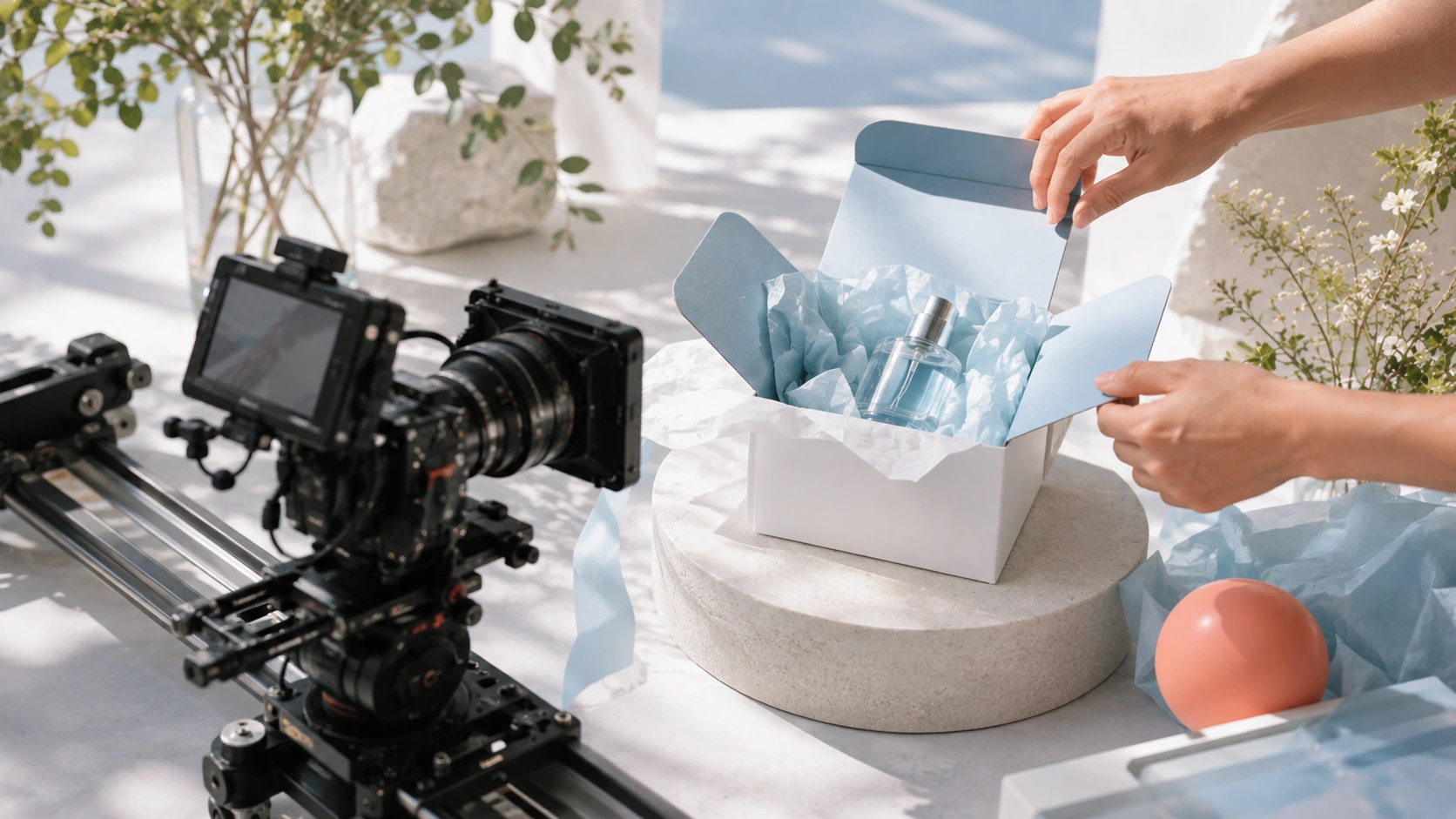
Leopati’s AI film production is a director-led service that blends generative footage with live-action plates, VFX and traditional cinematography to create cinematic stories. We control AI as a creative tool—previs, style-tests, and asset control—rather than outsourcing direction to a generator. The result is hybrid films where performance and photographic reality remain primary, augmented by generative art where it adds value.
What “AI film production” means here
We treat AI as a production method inside an established filmmaking pipeline. That means a human creative team defines the script, shot list, camera moves and performances, then uses generative tools for specific assets: backgrounds, crowd fills, virtual set extensions, or stylised sequences. This is a directed process—artists iterate prompts, perform style tests and compositing—not a hands-off output from a single engine.
Hybrid workflows: how AI footage actually combines with live action
Common production patterns include:
- Previsualization and concept tests: fast AI passes to explore mood, framing and color before committing to sets or location scouting.
- Background and environment generation: synthesize extended landscapes, period streets or impossible architecture for plate replacement and set extension.
- Digital doubles and virtual characters: augment stunt work or create distant, stylized characters that don’t require on-set performers.
- Crowd and set dressing: generate background actors or animated elements for wide takes where extras are impractical.
- Stylised sequences and transitions: fully generative shots used as montage, dream logic, or title sequences.
Integration steps we use on hybrid shoots:
- Previs & style tests (camera-matching, grading references).
- Shoot plates and capture on-set data (HDRI, lens metadata, actor reference pass).
- Generate matching AI elements constrained by photographic reference.
- Compositing, roto and match-moving to blend layers.
- Color grade and final sound design.
Because the pipeline begins with photographic reference, generative footage is matched to lens, lighting and grain—making a seamless composite possible.
What should you still film the traditional way?
Some elements remain best captured on set:
- Principal performances and dialogue. Actor chemistry, improvisation and eye-lines are still central to believable filmmaking.
- Complex physical interaction (stunts, tactile object contact, subtle facial nuances).
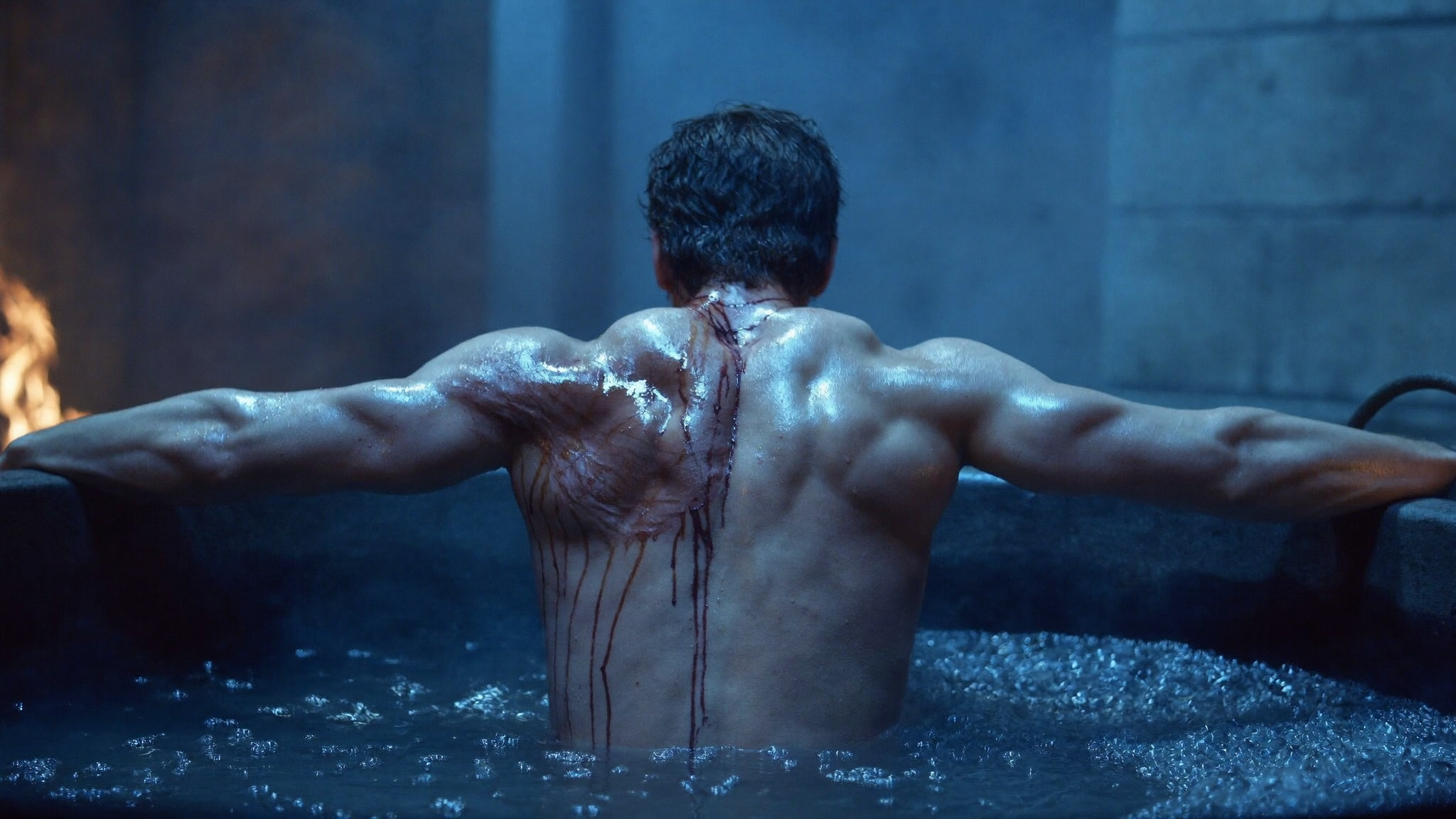
- Lighting-sensitive practical effects where light-source interaction matters (smoke, fire, liquids).
- High-detail close-ups where photographic fidelity is required for editorial scrutiny.
Use AI to augment or replace where it saves cost or time without sacrificing storytelling (for example, distant crowd plates or impossible architecture), but prioritise live capture for human performance and tactile authenticity.
When to choose a hybrid approach vs. fully generative
Choose hybrid when you need authentic performances, brand trust, or camera-specific continuity. Fully generative approaches make sense for short stylised sequences, proof-of-concept visuals, or projects where photographic realism is not the goal. Budget, timeline and distribution format (cinema vs social) will also steer the choice—discuss these early in scoping so the pipeline reflects creative priorities.
Deliverables and production stages
A typical Leopati AI film production includes:
- Creative brief, script and shotlist
- Style-tests and AI lookbook
- Previs and camera plans
- On-set plates, HDRI and reference captures
- Generated assets (backgrounds, characters, FX)
- Compositing and VFX passes
- Color grade, audio mix and final deliverables (masters + platform versions)
We provide versioning and asset libraries so future edits or localisations reuse validated generative assets rather than re-running unchecked prompts.
How Leopati directs AI (not replaces craft)
Our method emphasises human creative control: directors, DPs and VFX supervisors define constraints and visual intent; AI generates within those constraints. Artists curate iterations, perform manual cleanups and supervise compositing. That keeps responsibility, copyright clearance and creative authorship firmly with the production team rather than a black-box generator.
Examples and further reading
Some projects on our site demonstrate hybrid and generative techniques in practice (see portfolio titles such as Zarafel and St. Nicholas for process-level discussions). For broader context on AI video production pipelines visit /ai-video-production/ and for technical notes see /vfx/ and /live-action/.
Ready to explore a concept? Build an AI film concept with us — we’ll scope a hybrid workflow that preserves performance and photographic reality while using generative tools where they earn their keep.
Internal links to consider while planning: /, /ai-video-production/, /film/, /live-action/, /vfx/, /cost/
Production checklist for AI film production
A film brief should establish the narrative purpose of every sequence, the visual language of the project, and the continuity rules that apply to characters, locations, props and camera movement. In AI Film Production for Cinematic Stories and Hybrid Workflows, the production question is therefore not only whether a model can generate a striking frame; it is whether the frame can be revised, edited and carried into the next shot without breaking the story.
Before generation begins, teams should define the storyboard, reference images, approval gates, editorial structure, sound direction and rights assumptions. During production, each sequence benefits from controlled iterations, documented decisions and a finishing pass for compositing, colour, sound and delivery. This keeps AI filmmaking connected to familiar film-production discipline.
What to confirm before production
Every brief benefits from an explicit decision record. Confirm the audience, the intended viewing context, the emotional or commercial outcome, the references that define the visual language, and the parts of the image that must be exact. Then identify the elements that can remain exploratory. This makes review faster because the team knows which changes protect the brief and which changes are simply aesthetic alternatives.
It is also useful to define what “finished” means before work begins. That may include a locked duration, a clean master, social cutdowns, subtitles, audio stems, colour-managed exports, a rights and likeness review, or an editable handoff. Clear acceptance criteria reduce unnecessary generation cycles and make AI production easier to compare with a conventional production workflow.
Frequently asked questions
Can AI footage combine with live-action plates?
Yes. AI-generated backgrounds, crowd fills, virtual sets and stylised inserts can be composited onto live-action plates when the production captures proper on-set references (HDRI, lens metadata, actor passes). The process requires match-moving, rotoscoping and color-matching so the generated imagery aligns with photographic lighting and camera perspective.
What parts of production still require traditional filming?
Principal performances, dialogue, complex physical interaction (stunts, close-contact scenes), and lighting-sensitive practical effects are generally best captured on set. These elements rely on human chemistry, precise timing and tactile interaction that current generative tools cannot fully replicate at photographic quality.
Will AI replace directors or cinematographers?
No. AI is a creative tool within the pipeline. Directors and cinematographers set visual intent, camera blocking and performance direction; AI generates assets to realise that intent. Human oversight is essential for creative decisions, continuity, and quality control—AI augments work, it does not replace authorship.
How are likeness and rights handled when using AI to generate characters?
Using an AI to reproduce a real person’s likeness requires clear legal permission and releases. When we generate characters inspired by real people we treat likeness rights and talent agreements as production-level concerns: secure releases, negotiate compensation and document consent before using any identifiable likeness.
How long does an AI film production take?
Timelines vary with scope. Small stylised sequences can move from brief to master in weeks, while feature or commercial projects with hybrid shoots, VFX and multiple passes require months. Early scoping identifies which shots need live capture versus generative work and produces a realistic timetable.