AI Music Video Production for Musicians and Independent Releases
Independent artists can get cinematic AI music videos without open-ended scope by using a focused brief, predefined package options, and clear milestone approvals. This guide explains the practical brief elements, recommended scope templates, approval checkpoints and final-delivery choices so you—and your label or distributor—can sign off confidently and keep production predictable.
Who this page is for
This is written for independent musicians and small labels planning a single-track release or a short film-style video with a limited budget and fixed timeline. If you need a long-form film, episodic content, or a fully live-action shoot, this page helps you scope a pilot or single release efficiently.
How to structure a practical brief (what we need from you)
- Track assets: stereo master (final mix), instrumental and vocal stems if available, and a version with a clear lead vocal only for reference.
- Reference visuals: 3–6 reference clips, moodboard images, color palettes, and a one-sentence visual concept (e.g., “noir city chase at dawn”).
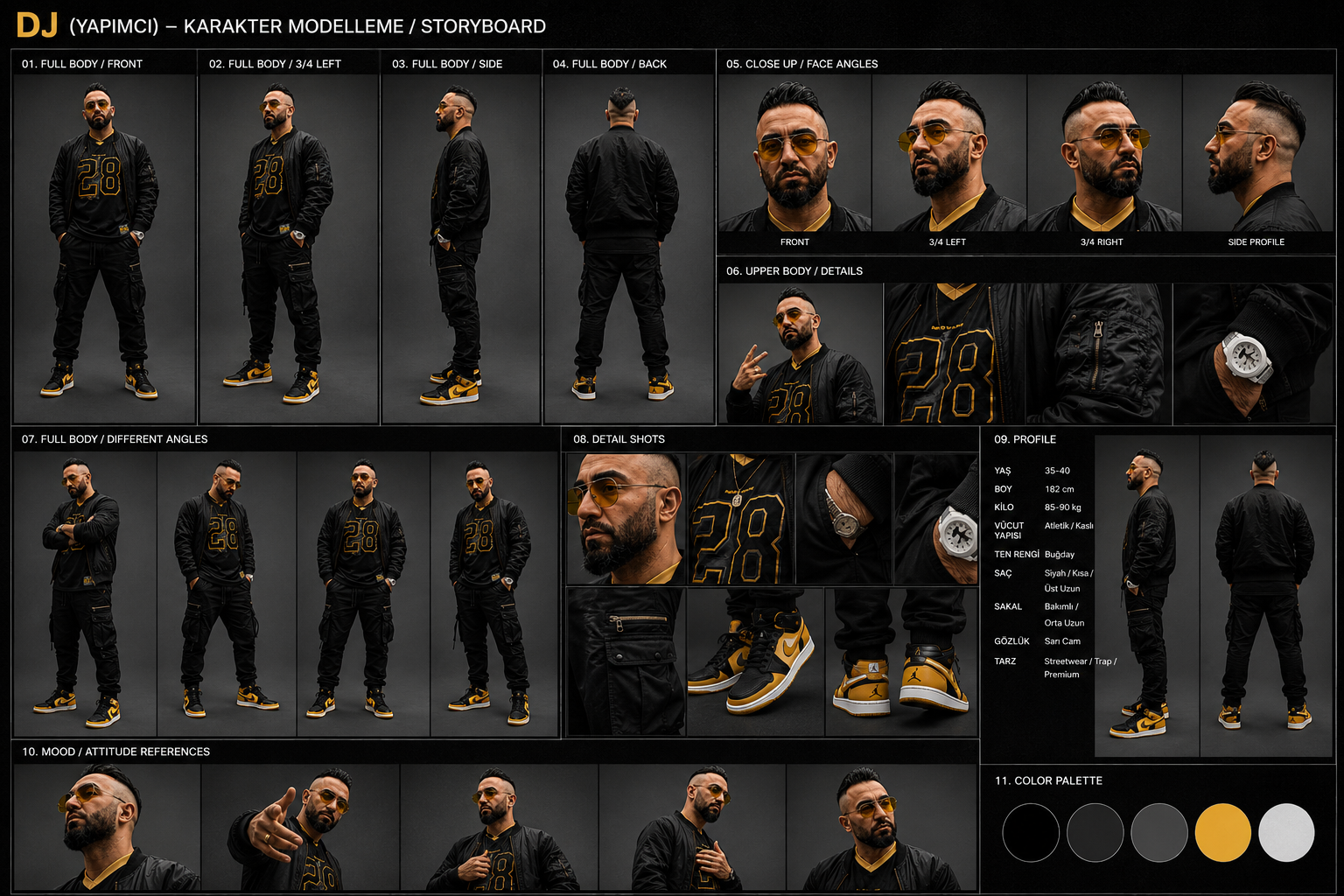
- Story notes: lyric sheet, timestamps for important bars/lyrics, and a 1-paragraph synopsis of the video narrative or concept.
- Deliverables list: final duration, aspect ratios (16:9, 1:1, 9:16), and platform targets (YouTube, TikTok, Instagram Reels, etc.).
- Rights & release: confirm ownership or license for any likenesses, archival footage, or trademarked elements you want included.
The clearer these pieces, the easier it is to define a fixed scope and avoid open-ended creative changes later.
Practical scope templates (choose one as a baseline)
Visualizer (low scope): single-scene generative visuals synced to the track, basic title + artist card, 1 aspect ratio. Fast turnaround, lowest cost and complexity.
Cinematic single-scene (mid scope): 1–2 staged locations or AI-built environments, storyboarded shot list, cinematic color grade, music-synced cuts, up to 2 aspect ratios, basic VFX. Ideal for narrative verses or a single-location performance piece.
Multi-scene narrative (higher scope): 3–6 scenes or “acts,” character continuity controls, animatic approval stage, audio-reactive passes for key transitions, deliverables for multiple platforms. Best when the song has distinct sections that need visual variety.
Pick the simplest template that still achieves your creative intent; this keeps budget and timeline predictable.
Milestones and approvals (make them explicit)
Define milestone checkpoints and approval windows in the brief. A recommended milestone flow:
- Concept + moodboard approval (sign-off on visual direction)
- Storyboard/shot-list or scene-by-scene plan (sign-off triggers production)
- Animatic or timed rough-cut with low-res visuals synced to the track
- Color/grade and audio sync pass
- Final master and platform edits
For each milestone, state how many revision rounds are included (e.g., one round of small changes per milestone) and an approval window (e.g., 5 business days). A signed approval at each step prevents scope creep and unexpected costs.
Delivery choices and technical outputs
Decide early which deliverables you must receive. Common options:
- Final master: ProRes or high-quality H.264/H.265 file at agreed resolution
- Platform versions: vertical (9:16), square (1:1), and horizontal (16:9) exports
- Audio: reference master synced to video; separate stems if requested
- Project files & LUTs: where licensing allows, you can request LUTs or editable project containers for future tweaks
- Captions and metadata files for platform upload
Specifying formats before work begins avoids last-minute rushes and extra transcoding fees.
Keep production predictable
- Use a fixed-scope package and a checklist-style brief.
- Keep references tight: less is more when trying to achieve a consistent cinematic look.
- Limit major concept changes after storyboard approval; treat later changes as out-of-scope unless you renegotiate.
- Ask for a clear revision policy and expected delivery times in your quote.
Why choose a directed production service (not a self-serve generator)
A directed production pairs creative decisions—storyboarding, timed editing, and audio-reactive design—with human review at key milestones. This reduces inconsistent results common in self-serve generators and ensures narrative continuity, character consistency, and legal controls for likeness and asset use.
Ready to define your scope and timeline? Plan your music video.
Frequently asked questions
How long does an AI music video production typically take?
Timelines vary by scope. A simple visualizer can be completed in a few weeks; a multi-scene narrative typically takes multiple production cycles and several weeks to months. Final timing depends on approvals, revisions and whether live-action or sourced footage is integrated.
What do I need to provide for a tight sync between visuals and my track?
Provide a final stereo master plus any stems available, a version with clear vocal or tempo markers, and timestamps for lyrical moments you want visually emphasized. We—or the production partner—will create an animatic to lock visual hits before final rendering.
Can you use a real person’s likeness in an AI-generated video?
You must have the legal right to use someone’s likeness. If you want a well-known person or a specific performer recreated, plan for clear written permission or use a stylized/fictional lookalike to avoid rights issues.
How many revisions should I expect?
A practical production separates revisions by milestone (concept, storyboard, animatic, final). Typical agreements allow a limited number of small revisions per milestone; larger reworks after sign-off are usually out of scope. Agree revision counts in the brief.
Which deliverables should I ask for on release day?
At minimum request a final master (high-bitrate file), platform-ready versions (vertical, square, horizontal), and captions. If you plan future edits, request editable project files or LUTs where licensing permits.